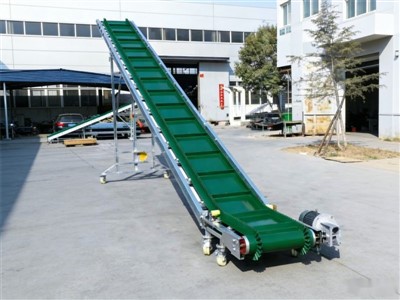
In the realm of industrial operations, belt conveying equipment stands as a cornerstone for the efficient movement of materials across various sectors. As a seasoned supplier of conveying equipment, I’ve witnessed firsthand the pivotal role that tensioning devices play in the seamless functioning of these systems. In this blog, I’ll delve into the purpose of tensioning devices in belt conveying equipment, exploring their significance, types, and the impact they have on overall system performance. Conveying Equipment
The Fundamental Role of Tensioning Devices
At the heart of any belt conveying system lies the need to maintain proper belt tension. Tensioning devices are designed to ensure that the belt remains taut and in contact with the pulleys, preventing slippage and ensuring efficient power transmission. Without adequate tension, the belt may sag, leading to reduced traction, increased wear and tear, and potential breakdowns.
One of the primary purposes of tensioning devices is to compensate for the natural stretch and shrinkage of the belt over time. As the belt is subjected to continuous use, it may gradually elongate due to factors such as temperature changes, load variations, and material friction. Tensioning devices help to counteract this elongation by applying a consistent force to the belt, keeping it at the optimal tension level.
In addition to compensating for belt stretch, tensioning devices also play a crucial role in maintaining the alignment of the belt. A misaligned belt can cause uneven wear, increased noise, and reduced efficiency. Tensioning devices help to keep the belt centered on the pulleys, ensuring smooth and reliable operation.
Types of Tensioning Devices
There are several types of tensioning devices commonly used in belt conveying equipment, each with its own unique features and applications. Some of the most common types include:
- Gravity Tensioners: Gravity tensioners are one of the simplest and most widely used types of tensioning devices. They rely on the force of gravity to apply tension to the belt. A weight is attached to the belt, which pulls it down and keeps it taut. Gravity tensioners are easy to install and maintain, making them a popular choice for many applications.
- Screw Tensioners: Screw tensioners use a screw mechanism to adjust the tension of the belt. By turning the screw, the tension can be increased or decreased as needed. Screw tensioners are relatively simple and cost-effective, but they require manual adjustment and may not be suitable for applications where frequent tension changes are required.
- Hydraulic Tensioners: Hydraulic tensioners use hydraulic pressure to apply tension to the belt. They are capable of providing a high level of tension and can be adjusted quickly and easily. Hydraulic tensioners are often used in heavy-duty applications where precise tension control is required.
- Pneumatic Tensioners: Pneumatic tensioners use compressed air to apply tension to the belt. They are similar to hydraulic tensioners in terms of their functionality, but they are typically lighter and more compact. Pneumatic tensioners are often used in applications where space is limited or where a high level of mobility is required.
The Impact of Tensioning Devices on System Performance
The proper use of tensioning devices can have a significant impact on the performance and reliability of belt conveying equipment. By maintaining the optimal tension level, tensioning devices can help to:
- Improve Efficiency: A properly tensioned belt ensures efficient power transmission, reducing energy consumption and improving overall system efficiency.
- Reduce Wear and Tear: By keeping the belt taut and in contact with the pulleys, tensioning devices help to reduce wear and tear on the belt and other components of the conveying system. This can extend the lifespan of the equipment and reduce maintenance costs.
- Enhance Safety: A loose or misaligned belt can pose a safety hazard, increasing the risk of accidents and injuries. Tensioning devices help to ensure that the belt remains in place and operates safely.
- Improve Product Quality: In applications where the conveyed material is sensitive to damage, such as in the food and pharmaceutical industries, proper belt tension is essential to ensure the quality of the product. Tensioning devices help to prevent the belt from slipping or shifting, which can cause damage to the material.
Choosing the Right Tensioning Device
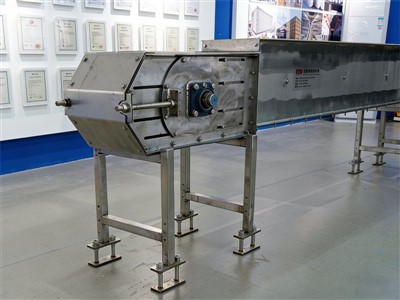
When selecting a tensioning device for your belt conveying equipment, it’s important to consider several factors, including:
- Belt Type and Size: Different types of belts require different levels of tension. It’s important to choose a tensioning device that is compatible with the type and size of the belt you are using.
- Load Requirements: The load requirements of your conveying system will also impact the choice of tensioning device. Heavier loads may require a more powerful tensioning device to ensure proper belt tension.
- Operating Conditions: The operating conditions of your conveying system, such as temperature, humidity, and dust levels, can also affect the performance of the tensioning device. It’s important to choose a tensioning device that is suitable for the specific operating conditions of your application.
- Maintenance Requirements: Some tensioning devices require more maintenance than others. It’s important to choose a tensioning device that is easy to maintain and that can be serviced quickly and easily.
Conclusion
Silo In conclusion, tensioning devices play a crucial role in the efficient and reliable operation of belt conveying equipment. By maintaining proper belt tension, tensioning devices help to improve efficiency, reduce wear and tear, enhance safety, and improve product quality. As a supplier of conveying equipment, I understand the importance of choosing the right tensioning device for your specific application. If you have any questions or need assistance in selecting the right tensioning device for your belt conveying equipment, please don’t hesitate to contact me. I’m here to help you find the solution that meets your needs and ensures the smooth and reliable operation of your conveying system.
References
- Johnson, R. (2018). Belt Conveying Technology. CRC Press.
- Smith, J. (2019). Industrial Conveyor Systems: Design and Operation. Elsevier.
- Brown, A. (2020). Tensioning Devices for Belt Conveyors. Journal of Conveyor Technology, 15(2), 45-52.
Henan Oumu Intelligent Storage Equipment Co., Ltd.
As one of the most professional conveying equipment manufacturers and suppliers in China, we’re featured by quality products and good service. Please rest assured to buy customized conveying equipment made in China here from our factory. For quotation, contact us now.
Address: No. 681, Xinzhong Avenue, Hongqi District, Xinxiang City, Henan Province
E-mail: luna@oumu-silo.com
WebSite: https://www.oumu-silo.com/
