Can other transformer accessories be used in different types of transformers? Other Transformer Accessories
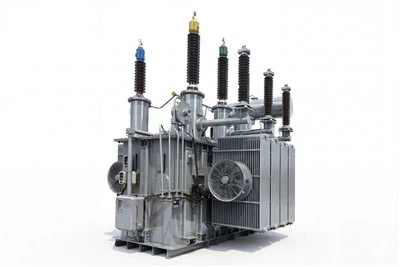
In the dynamic world of electrical engineering, transformers stand as crucial components that facilitate the efficient transmission and distribution of electrical energy. These silent workhorses come in various types, each tailored to specific applications and operating conditions. Alongside the transformers themselves, a wide array of accessories plays a vital role in ensuring their optimal performance, safety, and longevity. As a trusted supplier of other transformer accessories, I am often asked whether these accessories can be used interchangeably across different types of transformers. In this blog post, we will delve into this question, exploring the factors that determine compatibility and providing insights to help you make informed decisions.
Understanding Transformer Types
Before we discuss the compatibility of transformer accessories, it is essential to have a basic understanding of the different types of transformers. The most common types include:
- Power Transformers: These are large-scale transformers used in electrical power systems to step up or step down voltage levels for efficient energy transmission and distribution. They are typically installed in substations and power plants.
- Distribution Transformers: These transformers are used to step down the voltage from the transmission level to a level suitable for residential, commercial, and industrial use. They are commonly found on utility poles or in ground-mounted enclosures.
- Instrument Transformers: These transformers are used to measure electrical quantities such as voltage, current, and power. They are essential for the operation of protective relays, meters, and other control devices.
- Specialty Transformers: These transformers are designed for specific applications, such as welding, rectification, and mining. They have unique characteristics and requirements to meet the demands of their respective applications.
Factors Affecting Compatibility
The compatibility of other transformer accessories with different types of transformers depends on several factors, including:
- Voltage Rating: The voltage rating of the accessory must match the voltage rating of the transformer. Using an accessory with a lower voltage rating can result in insulation failure and other electrical problems, while using an accessory with a higher voltage rating may be unnecessary and costly.
- Current Rating: The current rating of the accessory must also match the current rating of the transformer. If the accessory is not rated to handle the current flowing through the transformer, it may overheat and fail.
- Frequency Rating: The frequency rating of the accessory must match the frequency of the electrical system. Most transformers and accessories are designed for use with a specific frequency, typically 50 or 60 Hz. Using an accessory with the wrong frequency rating can cause performance issues and damage to the equipment.
- Environmental Conditions: The environmental conditions in which the transformer and its accessories will operate must be taken into account. Factors such as temperature, humidity, altitude, and exposure to chemicals or pollutants can affect the performance and lifespan of the accessories. For example, accessories used in high-temperature environments may need to be made of materials that can withstand the heat, while accessories used in corrosive environments may need to be coated or made of corrosion-resistant materials.
- Mechanical Compatibility: The physical dimensions and mounting requirements of the accessory must be compatible with the transformer. The accessory must fit properly and be securely attached to the transformer to ensure reliable operation.
- Electrical Compatibility: The electrical characteristics of the accessory, such as impedance, capacitance, and inductance, must be compatible with the transformer and the electrical system. Using an accessory with incompatible electrical characteristics can cause problems such as voltage distortion, power factor issues, and electromagnetic interference.
Examples of Transformer Accessories and Their Compatibility
Let’s take a look at some common transformer accessories and their compatibility with different types of transformers:
- Bushings: Bushings are used to insulate and support the electrical connections between the transformer windings and the external electrical system. They are available in various voltage and current ratings and can be used with different types of transformers. However, the type of bushing used may depend on the specific application and the environmental conditions. For example, oil-filled bushings are commonly used in power transformers, while dry-type bushings are often used in distribution transformers.
- Radiators: Radiators are used to dissipate the heat generated by the transformer during operation. They are typically used with power transformers and large distribution transformers. The size and capacity of the radiator must be selected based on the heat dissipation requirements of the transformer. Different types of radiators, such as tubular radiators and finned radiators, may be used depending on the application and the available space.
- Conservators: Conservators are used to provide a reserve of oil for the transformer and to compensate for the expansion and contraction of the oil due to temperature changes. They are commonly used with power transformers and large distribution transformers. The size and design of the conservator must be selected based on the volume of oil in the transformer and the expected temperature variations.
- Oil Level Indicators: Oil level indicators are used to monitor the oil level in the transformer. They are essential for ensuring the proper operation and safety of the transformer. Oil level indicators can be used with different types of transformers, but the type of indicator used may depend on the design and configuration of the transformer. For example, some transformers may use a sight glass type of oil level indicator, while others may use a float-type indicator.
- Temperature Sensors: Temperature sensors are used to monitor the temperature of the transformer windings and oil. They are important for preventing overheating and damage to the transformer. Temperature sensors can be used with different types of transformers, but the type of sensor used may depend on the specific application and the accuracy required. For example, some transformers may use thermocouples or resistance temperature detectors (RTDs) to measure the temperature.
Benefits of Using Compatible Accessories
Using compatible transformer accessories offers several benefits, including:
- Optimal Performance: Compatible accessories are designed to work seamlessly with the transformer, ensuring that it operates at its peak performance. This can result in improved efficiency, reduced energy losses, and better power quality.
- Enhanced Safety: Using accessories that are rated for the correct voltage, current, and frequency helps to prevent electrical failures and other safety hazards. This can protect the transformer, the electrical system, and the personnel working with it.
- Longer Lifespan: Compatible accessories are designed to withstand the operating conditions of the transformer, which can help to extend its lifespan. This can reduce the need for frequent replacements and maintenance, resulting in cost savings over the long term.
- Compliance with Standards: Using accessories that meet the relevant industry standards and regulations ensures that the transformer and the electrical system are in compliance. This can help to avoid legal issues and ensure the safety and reliability of the equipment.
Conclusion
In conclusion, while some transformer accessories may be compatible with different types of transformers, it is essential to consider several factors to ensure a proper fit. Voltage rating, current rating, frequency rating, environmental conditions, mechanical compatibility, and electrical compatibility are all important considerations when selecting accessories for a transformer. By choosing compatible accessories, you can ensure optimal performance, enhanced safety, longer lifespan, and compliance with standards.

As a leading supplier of other transformer accessories, we understand the importance of providing high-quality products that are compatible with a wide range of transformers. Our team of experts can help you select the right accessories for your specific application and ensure that they are installed and maintained correctly. If you have any questions or need assistance with selecting transformer accessories, please do not hesitate to contact us. We look forward to speaking with you and discussing how we can help you meet your transformer accessory needs.
Pole Mounted Transformer References
- Electrical Engineering Handbook, Third Edition, edited by Richard C. Dorf.
- Transformer Engineering: Design, Technology, and Diagnostics, Second Edition, by G. K. Dubey.
- IEEE Standards for Power Transformers and Related Equipment.
Jiangsu Yuantong Electric Co., Ltd.
As one of the most experienced transformer accessories manufacturers and suppliers in China, we also support customized service. Please rest assured to wholesale bulk high quality transformer accessories in stock here from our factory. Contact us for more details.
Address: No. 202, Qiaogang Road, Xicheng Subdistrict, Hai’an City
E-mail: jsytdq@jsytelectric.com
WebSite: https://www.jsytelectric.com/
