As a supplier of swivel points, I’ve witnessed firsthand the impact of wear and tear on these crucial components. Swivel points are integral in various industries, from automotive and aerospace to heavy machinery and marine applications. Their ability to withstand repeated movement and friction is paramount to the overall performance and longevity of the equipment they’re part of. In this blog post, I’ll share some insights on how to increase the wear-resistance of swivel points, based on my years of experience in the industry. Swivel Point
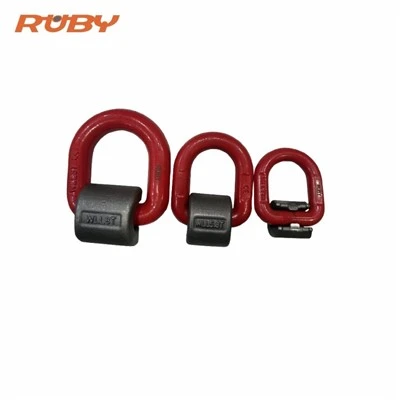
Understanding the Causes of Wear in Swivel Points
Before we delve into solutions, it’s essential to understand what causes wear in swivel points. The primary factors include friction, corrosion, and mechanical stress. Friction occurs when two surfaces rub against each other during rotation, leading to material loss over time. Corrosion can weaken the surface of the swivel point, making it more susceptible to wear. Mechanical stress, such as excessive loads or vibrations, can also cause deformation and premature wear.
Material Selection
One of the most effective ways to increase wear-resistance is through proper material selection. High-quality materials with excellent hardness, toughness, and corrosion resistance can significantly extend the lifespan of swivel points. For example, stainless steel is a popular choice due to its corrosion resistance and durability. It can withstand harsh environments and is less likely to rust or corrode. Another option is alloy steel, which offers high strength and wear resistance. Alloy steels can be heat-treated to further enhance their properties, making them suitable for heavy-duty applications.
In addition to metals, some non-metallic materials can also be used for swivel points. For instance, engineering plastics like polyoxymethylene (POM) and polytetrafluoroethylene (PTFE) have low friction coefficients and good wear resistance. They are also lightweight, which can be an advantage in applications where weight is a concern. However, non-metallic materials may have limitations in terms of load capacity and temperature resistance, so careful consideration is needed when selecting them.
Surface Treatments
Surface treatments can significantly improve the wear resistance of swivel points. One common treatment is heat treatment, which involves heating and cooling the material to alter its microstructure and properties. Heat treatment can increase the hardness of the surface, making it more resistant to wear. For example, carburizing is a heat treatment process that involves introducing carbon into the surface of the steel, resulting in a hardened outer layer. Nitriding is another heat treatment method that introduces nitrogen into the surface, improving wear resistance and corrosion resistance.
Coatings are also an effective way to enhance wear resistance. There are various types of coatings available, such as chrome plating, nickel plating, and ceramic coatings. Chrome plating is known for its excellent wear resistance and low friction coefficient. It can also improve the appearance of the swivel point. Nickel plating offers good corrosion resistance and can be used to build up the surface of the swivel point. Ceramic coatings are extremely hard and have high wear resistance. They can provide a protective barrier against friction and corrosion, even in extreme conditions.
Lubrication
Proper lubrication is crucial for reducing friction and wear in swivel points. Lubricants create a thin film between the moving surfaces, preventing direct contact and reducing friction. They also help to dissipate heat and protect the surface from corrosion. There are different types of lubricants available, including oils, greases, and dry lubricants.
Oils are commonly used in applications where high-speed rotation and low viscosity are required. They can provide excellent lubrication and cooling properties. Greases, on the other hand, are thicker and more viscous, making them suitable for applications where long-term lubrication and protection are needed. Greases can also prevent the ingress of dirt and contaminants. Dry lubricants, such as graphite and molybdenum disulfide, are used in applications where traditional lubricants are not suitable, such as in high-temperature or vacuum environments.
When selecting a lubricant, it’s important to consider the operating conditions, such as temperature, load, and speed. The lubricant should also be compatible with the material of the swivel point and any other components in the system. Regular lubrication maintenance is also essential to ensure that the lubricant remains effective and the swivel point continues to operate smoothly.
Design Optimization
The design of the swivel point can also have a significant impact on its wear resistance. A well-designed swivel point should minimize stress concentration and ensure smooth rotation. For example, the use of proper bearing surfaces and geometries can reduce friction and wear. The design should also allow for easy access to the swivel point for maintenance and lubrication.
In addition, the use of seals and shields can help to protect the swivel point from dirt, dust, and moisture. Seals can prevent contaminants from entering the bearing area, reducing the risk of wear and corrosion. Shields can provide additional protection against larger particles and debris.
Quality Control and Testing
To ensure the wear resistance of swivel points, it’s important to implement a rigorous quality control program. This includes inspecting the raw materials, monitoring the manufacturing process, and conducting final product testing. Quality control measures can help to identify any potential issues early on and prevent defective products from reaching the market.
Testing is also an important part of ensuring wear resistance. Various testing methods can be used, such as wear testing, friction testing, and corrosion testing. Wear testing involves subjecting the swivel point to a simulated wear environment to measure its wear rate. Friction testing can determine the coefficient of friction between the moving surfaces. Corrosion testing can evaluate the resistance of the swivel point to corrosion in different environments.
Conclusion
Increasing the wear resistance of swivel points is essential for ensuring the reliability and performance of equipment in various industries. By selecting the right materials, applying appropriate surface treatments, using proper lubrication, optimizing the design, and implementing quality control and testing, we can significantly extend the lifespan of swivel points and reduce maintenance costs.

As a supplier of swivel points, we are committed to providing our customers with high-quality products that meet their specific needs. If you’re looking for swivel points with excellent wear resistance, we’d love to discuss your requirements with you. Contact us to start a procurement discussion and discover how our swivel points can enhance the performance and durability of your equipment.
Chain Sling References
- ASM Handbook Volume 9: Metallography and Microstructures
- Tribology Handbook, Second Edition
- Machinery’s Handbook, 31st Edition
Hangzhou Ruby Imp. & Exp. Co., Ltd.
As one of the most experienced swivel point manufacturers and suppliers in China, we offer a wide range of products with superior quality. We warmly welcome you to wholesale custom made swivel point at competitive price from our factory.
Address: Taoyuan Industrial Park, Puyang Town, Xiaoshan, Hangzhou, Zhejiang, China.
E-mail: Sales5@z2lifting.com
WebSite: https://www.rubylifting.com/
