Belleville washers, also known as conical spring washers, play a crucial role in flange bolting applications. As a leading supplier of flange bolting Belleville washers, I’ve witnessed firsthand the importance of a proper installation process. In this blog post, I’ll delve into the detailed installation process of Belleville washers in flange bolting, sharing insights and best practices based on my years of experience in the industry. Flange Bolting Belleville Washer

Understanding the Basics of Belleville Washers
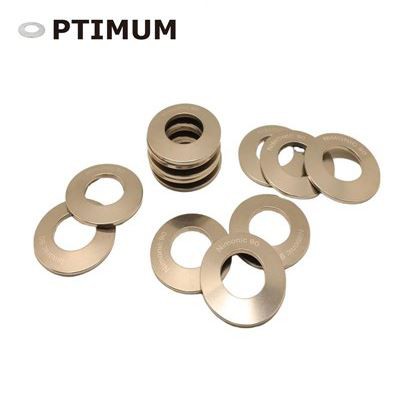
Before we dive into the installation process, it’s essential to understand what Belleville washers are and how they work. Belleville washers are conically shaped washers that provide a high spring rate and can withstand significant loads in a relatively small space. They are commonly used in flange bolting applications to ensure a constant preload on the bolts, compensating for thermal expansion, vibration, and other factors that can cause bolt loosening over time.
The unique design of Belleville washers allows them to exert a spring force when compressed, which helps maintain the integrity of the flange joint. By providing a consistent preload, Belleville washers help prevent leaks, reduce the risk of bolt failure, and extend the service life of the flange connection.
Pre-Installation Preparation
Proper preparation is key to a successful installation of Belleville washers in flange bolting. Here are the steps you should take before starting the installation process:
1. Inspection of Components
- Belleville Washers: Carefully inspect the Belleville washers for any signs of damage, such as cracks, chips, or deformation. Ensure that the washers are of the correct size, material, and finish for your application.
- Bolts and Nuts: Check the bolts and nuts for proper threading, size, and condition. Make sure they are clean and free of debris, rust, or any other contaminants that could affect the installation or performance of the flange joint.
- Flanges: Inspect the flanges for flatness, surface finish, and alignment. Any irregularities or damage to the flange surfaces can affect the distribution of the preload and lead to leaks or other issues.
2. Cleaning and Lubrication
- Cleaning: Thoroughly clean all components, including the Belleville washers, bolts, nuts, and flanges, using a suitable cleaning agent to remove any dirt, grease, or debris. This will help ensure proper seating and prevent galling during the installation process.
- Lubrication: Apply a thin layer of lubricant to the threads of the bolts and nuts, as well as the contact surfaces of the Belleville washers and flanges. This will reduce friction and make it easier to tighten the bolts to the desired torque.
3. Torque Calculation
- Determine the Required Preload: Calculate the required preload for the flange joint based on the application requirements, such as the operating pressure, temperature, and flange size. This will help you determine the appropriate torque value for tightening the bolts.
- Select the Correct Torque Method: Choose the appropriate torque method, such as torque wrench, hydraulic tensioner, or torque multiplier, based on the size and type of the bolts and the available equipment. Make sure the torque method is calibrated and accurate to ensure consistent and reliable results.
Installation Process
Once you have completed the pre-installation preparation, you can proceed with the installation of Belleville washers in flange bolting. Here are the steps to follow:
1. Assembly of Components
- Place the Flanges: Position the two flanges together, ensuring that they are properly aligned and the bolt holes are aligned. Use alignment pins or other suitable methods to hold the flanges in place during the installation process.
- Insert the Bolts: Insert the bolts through the bolt holes in the flanges, followed by the Belleville washers and nuts. Make sure the washers are installed in the correct orientation, with the convex side facing the nut or bolt head.
- Hand-Tighten the Nuts: Hand-tighten the nuts onto the bolts until they are snug against the Belleville washers. This will help ensure proper seating of the washers and prevent them from shifting during the tightening process.
2. Tightening of Bolts
- Initial Tightening: Use a torque wrench or other suitable tool to tighten the bolts to the initial torque value, which is typically a percentage of the final torque value. This will help distribute the preload evenly across the flange joint and prevent over-tightening of individual bolts.
- Sequential Tightening: Tighten the bolts in a sequential pattern, such as a star or cross pattern, to ensure uniform loading of the flange joint. This will help prevent uneven stress distribution and reduce the risk of leaks or other issues.
- Final Tightening: Once all the bolts have been tightened to the initial torque value, continue tightening them to the final torque value using the same sequential pattern. Make sure to monitor the torque value closely to ensure that it is within the specified range.
3. Verification of Preload
- Torque Check: After tightening the bolts to the final torque value, use a torque wrench to check the torque of each bolt to ensure that it is within the specified range. If any bolts are found to be under-torqued or over-torqued, adjust the torque as necessary.
- Preload Measurement: In some cases, it may be necessary to measure the preload on the bolts using a load cell or other suitable device. This will help ensure that the preload is within the required range and that the flange joint is properly tightened.
Post-Installation Inspection
After completing the installation of Belleville washers in flange bolting, it’s important to conduct a post-installation inspection to ensure that the flange joint is properly installed and functioning correctly. Here are the steps to follow:
1. Visual Inspection
- Check for Leaks: Inspect the flange joint for any signs of leaks, such as fluid seepage or discoloration. If any leaks are found, identify the source of the leak and take appropriate measures to repair it.
- Inspect the Washers: Check the Belleville washers for any signs of damage or deformation, such as cracks, chips, or excessive compression. If any washers are found to be damaged, replace them immediately.
- Verify the Bolt Tightness: Check the tightness of the bolts using a torque wrench or other suitable tool to ensure that they are still within the specified torque range. If any bolts are found to be loose, retighten them to the required torque value.
2. Functional Testing
- Pressure Testing: If the flange joint is used in a pressure application, conduct a pressure test to verify the integrity of the joint. This will help ensure that the joint can withstand the operating pressure without leaking or failing.
- Vibration Testing: In some cases, it may be necessary to conduct a vibration test to simulate the operating conditions of the flange joint. This will help ensure that the joint can withstand vibration and other dynamic loads without loosening or failing.
Conclusion
The installation process of Belleville washers in flange bolting is a critical step in ensuring the integrity and reliability of the flange joint. By following the steps outlined in this blog post and adhering to the best practices and industry standards, you can ensure a proper installation and maximize the performance and service life of your flange connection.
NFE25511 French Serrated Spring Washers As a trusted supplier of flange bolting Belleville washers, we are committed to providing high-quality products and expert technical support to our customers. If you have any questions or need assistance with your flange bolting application, please don’t hesitate to contact us. We look forward to working with you to meet your specific needs and requirements.
References
- ASME B18.21.1 – Standard for Belleville Spring Washers
- API 6A – Specification for Wellhead and Christmas Tree Equipment
- ISO 10423 – Petroleum and natural gas industries – Pipeline transportation systems – Subsea pipeline valves
Yangzhou Optimum Spring Manufacturing Co., Ltd.
As one of the most professional flange bolting belleville washer manufacturers and suppliers in China, we’re featured by quality products and good service. Please rest assured to buy customized flange bolting belleville washer made in China here from our factory. For more information, contact us now.
Address: No.9 West of Shuangtang Rd, Yangzhou, P.R. China 225000
E-mail: susie@optimum-spring.com
WebSite: https://www.optimum-spring.com/
