If you’ve ever had a Type T LED bulb break in your hands, the first thing that crosses your mind is probably “what do I do now?” As a supplier of Type T LEDs for residential, commercial, and industrial settings, I’ve fielded this question dozens of times from customers—homeowners, facility managers, electricians, even small business owners. The confusion is totally understandable. Type T LEDs differ from incandescent or compact fluorescent (CFL) bulbs, and the rules for disposal aren’t as widely taught as they are for other light sources. Too many people either toss them in the regular trash (a big no-no, for reasons I’ll get into) or overcomplicate it by treating them like hazardous waste that requires a special trip to a processing center when that’s not always necessary. After selling hundreds of thousands of Type T bulbs over the past eight years, I’ve learned that the key to proper disposal is knowing what makes these bulbs unique, what risks they do (and don’t) pose, and how to dispose of them safely, easily, and in compliance with local rules. Let’s break it down step by step, no jargon, no guesswork. LED Bulb Type T
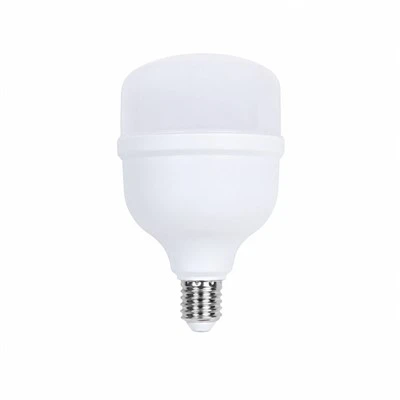
First, let’s get the basics straight: what is a Type T LED bulb, exactly? Unlike incandescents, which have a tungsten filament, or CFLs, which have a mercury-coated tube, Type T LEDs (the “T” stands for tubular shape, for anyone wondering) are solid-state devices. They’re made up of a plastic or aluminum housing, a circuit board, a set of tiny LED diodes, and sometimes a small heat sink to keep the unit from overheating. That solid-state design is a big part of why people assume they’re totally safe to throw away when broken, but there’s a catch: even though Type T LEDs have far less hazardous material than CFLs, they still contain trace amounts of heavy metals—mostly lead, and sometimes small amounts of cadmium in the circuit board or diode connections. The amount is tiny, like milligrams at most, way less than the amount in a CFL or even a smartphone battery, but that doesn’t mean we should just send them straight to a landfill. Those heavy metals can leach into groundwater over time if the bulb breaks down, which is why many regions classify them as e-waste, not regular trash.
But here’s the thing I tell all my customers: not all Type T LED disposals are created equal. A broken bulb in your living room is very different from a broken bulb in a warehouse with 50-foot ceilings, and the steps you take depend on where the break happens, whether the bulb is still functional beyond the crack, and what your local waste rules are. Let’s start with the most common scenario: a small, broken Type T LED in a home or small business, where the bulb is only slightly cracked, no parts are missing, and you haven’t breathed in any dust or glass fragments. The first rule here is to isolate the area quickly. Turn off the power to the fixture right away—you don’t want to risk a shock while you’re cleaning up broken glass and electronics. Then, grab gloves—latex or nitrile works, no bare hands—and a stiff piece of paper or cardboard to pick up large shards. Don’t use a vacuum cleaner for large pieces, because the suction can spread tiny glass and plastic fragments into the air, and some vacuums don’t have filters fine enough to catch micro-particles. If you have a shop vacuum with a HEPA filter, that’s safe for small residual fragments, but for regular household vacs, skip it.
Once you’ve picked up all the big pieces, the next step is to collect the tiny bits that are hard to see. A piece of damp paper towel or a roll of packing tape works perfectly: press it lightly over the area where the bulb broke, and it will pick up micro-fragments of glass and plastic that your eyes might miss. Wipe the area down with a damp cloth when you’re done to catch any remaining particles, and then throw all the cleanup materials—gloves, tape, paper, cloth—into a sealed plastic bag. Do NOT rinse these materials down the drain; you could be sending heavy metals into your local water supply. That’s the cleanup part, but now we get to the disposal part of that broken bulb. A lot of people will throw that sealed bag right into their regular trash, but that’s where things get tricky. Most municipal waste programs don’t have facilities to process small e-waste items like a single broken Type T LED, so those bulbs often end up in landfills where their heavy metals can leach. Instead, I recommend that for residential-sized broken Type T LEDs, you bring them to your local household hazardous waste (HHW) collection event or a designated e-waste drop-off center. Many hardware stores and big-box home improvement chains also take old light bulbs and small e-waste for free, so check their websites before you go. I even partner with a few local chain stores in my region to offer free drop-off for Type T LEDs, broken or not, because I want my customers to have an easy way to dispose of them responsibly.
Now, what if the Type T LED is broken in a commercial or industrial setting, like a grocery store warehouse, a factory floor, or a multi-story office building with dozens of these bulbs? The cleanup process is a little different here, because these spaces are larger, and broken fragments can spread farther. For commercial breaks, the first step is still cutting power, but you also need to mark the area off to keep foot traffic away, especially if there are people on ladders or heavy equipment nearby. For large-scale breaks, I always recommend using a HEPA-filtered vacuum to pick up all fragments, because the open area can have more airborne particles. And for disposal, most commercial waste haulers have e-waste categories, so you shouldn’t throw a broken Type T in your regular construction or office trash. But here’s a tip I’ve learned from working with facility managers: many don’t realize that Type T LEDs are often accepted in standard electronic take-back programs, not just special hazardous waste programs, because their heavy metal content is so low. So don’t sign up for a special hazardous waste pick-up unless you’re told it’s necessary—most regular e-waste pick-up services will handle them without extra cost.
Wait a minute—what if the bulb isn’t broken, but it’s the end of its life, and you need to dispose of it? A lot of my customers ask that too, because they don’t want to keep working with a bulb that’s flickering or dimming, even if it’s not broken. The good news is that end-of-life Type T LEDs follow the same disposal rules as broken ones, with one big exception: if the bulb is still whole, you can actually recycle it through more channels than a broken one, because you don’t have to worry about glass or plastic fragments spilling. Many Type T LEDs are 90% recyclable, by the way—their aluminum heat sinks can be melted down and reused, their circuit boards can be processed for copper and other metals, and the plastic housing can be turned into new parts. Incandescents and CFLs barely have a 50% recycling rate, so Type T LEDs are way better for that, but only if you recycle them properly. A lot of people still throw old Type T LEDs in the trash, which is a missed opportunity to keep those metals out of landfills.
Now, let’s bust some common myths that I hear all the time from customers. The first big one: “Type T LEDs have mercury like CFLs, so they’re just as hazardous.” No, that’s not true at all. CFLs have up to 5 milligrams of mercury, a toxic neurotoxin that’s a big concern if it leaks into the environment. A Type T LED has less than 0.1 milligrams of mercury, almost none, and the only real hazardous material in them is trace lead. The EPA even classifies Type T LEDs as non-hazardous for small residential quantities, which is why they’re often accepted in regular e-waste programs. The second myth: “I can just put a broken Type T in my recycling bin with my plastic bottles.” Don’t do that. Most curbside recycling programs aren’t set up to process small electronics or broken glass, so a broken bulb in your recycling bin can get damaged during processing and contaminate a whole batch of recyclables. It’s better to drop it off at a dedicated e-waste center than to ruin a pile of paper or plastic because of one broken bulb.
Another thing I always emphasize with my customers: if you’re not sure what to do in your specific area, don’t guess. A quick 2-minute search for “Type T LED disposal near me” or “e-waste drop-off [your city]” will give you all the rules you need, because waste programs vary a lot from region to region. For example, in some states in the U.S., Type T LEDs are covered under state e-waste laws, so you have to take them to a drop-off; in other states, you can throw them in the trash as long as they’re whole, not broken. In the EU, Type T LEDs are classified as WEEE (Waste Electrical and Electronic Equipment) so they have to be recycled, no exceptions. The key is to check local rules first, instead of relying on what your neighbor did or what you heard online.
Now, what about if you’re a business that goes through a lot of Type T bulbs? Like I said earlier, I work with a lot of small businesses and large commercial clients, and one of the most common problems they run into is bulk disposal of old or broken Type T LEDs. Many businesses don’t want to haul 10 or 20 old bulbs to a drop-off center, and waste haulers often charge extra for e-waste. That’s why a lot of my bulk customers sign up for my company’s take-back program—we work with third-party e-waste processors that handle all the paperwork, and we arrange scheduled pickups so businesses don’t have to worry about storing old bulbs or making special trips. We recycle 100% of the Type T LEDs we take back, and we provide a certificate of recycling for every load, which is great for businesses that have sustainability goals or need to report their waste for ESG metrics.
Wait, let’s circle back to the broken bulb scenario, because I want to make sure I covered every angle there. A customer told me a story last year about dropping a Type T bulb while changing it in their garage, and they used a standard vacuum to clean it up, thinking it was fine. That’s a mistake, right? The problem with using a regular vacuum on broken LED bulbs is that it can spread micro-particles of lead and glass into the air, which you can then inhale. Even though the amount is tiny, repeated exposure isn’t great, especially for kids or pets who might be in the area. So the rule I give everyone is: no regular vacuums for broken Type T LEDs. If you don’t have a HEPA vacuum, use the paper and tape method I mentioned earlier, and just throw the sealed bag in the trash, but then take the bag to a drop-off center within a week. Even that small step keeps the heavy metals out of the landfill’s water supply.
I also want to address a question I get from homeowners: can I just repair a broken Type T LED myself? Most of the time, no. Type T LEDs have tiny, surface-mounted circuit boards that are sealed inside the housing, and opening them can expose you to those trace metals, not to mention the risk of electrical shock from residual power in the circuit. I’ve had a few customers tell me they tried to glue the broken end of a bulb back together and put it back in the fixture, and that’s a huge fire risk, too. Never attempt to repair a broken Type T LED. If the bulb is broken, dispose of it properly, and buy a replacement. If the bulb stops working and isn’t broken, you can troubleshoot it, but that’s a different topic entirely.
Let’s also talk about sustainability, because that’s a big part of why I started selling Type T LEDs in the first place. These bulbs use 75% less energy than incandescents and last 25 times longer, so they’re already way better for the planet than older light sources. But responsible disposal is the final step in that sustainability cycle. When you throw a broken Type T LED in the regular trash, you’re undoing some of that good—those metals are wasted, and they can leach into the environment. When you recycle them, you’re keeping those materials in circulation, so we don’t have to mine more lead and copper to make new electronics. That’s why I make disposal guidance a core part of my customer service, not just an afterthought. I include a small card with every Type T bulb I sell that has quick disposal tips, and I have a whole section on my website dedicated to the topic, because I don’t want my customers to choose convenience over responsibility.
So to recap all the steps for disposal, whether broken or end-of-life: First, assess the bulb: is it whole or broken? Second, for broken bulbs: turn off power, wear gloves, use paper/tape/HEPA vacuum to clean up, seal all debris in a plastic bag. Third, for either broken or whole bulbs: check local waste rules to see if they require special handling. Fourth, if local rules say it’s okay, drop it off at a designated e-waste center, hardware store, or use a take-back program. Fifth, never throw broken Type T LEDs in regular trash or curbside recycling, and never repair a broken bulb yourself.

At the end of the day, disposing of a broken Type T LED isn’t complicated, but it’s important. As a supplier, I’m here to make that process as easy as possible for my customers. If you have a single bulb to dispose of, or a pallet of bulk end-of-life Type T LEDs, I can connect you with local drop-off points or arrange take-back services that fit your needs. Whether you’re a homeowner with one broken bulb or a business with hundreds of old units, don’t hesitate to reach out to discuss your disposal needs.
T Shaped Bulbs References
U.S. Environmental Protection Agency. (2023). Lighting Disposal and Recycling Guidelines. EPA 530-F-23-002.
National Electrical Manufacturers Association. (2022). Type T LED Bulb Safety and Disposal Standards. NEMA LE-12-2022.
European Commission. (2021). Waste Electrical and Electronic Equipment (WEEE) Directive: Light Bulb Requirements. EC ENV.F.2/AA/d(2021)1234.
Hangzhou Lin’an Mingfeng Electric Parts Co., Ltd.
We are one of the most experienced LED bulb type t manufacturers and suppliers in China since 1996. We warmly welcome you to wholesale customized LED bulb type t made in China here from our factory. If you have any enquiry about pricelist and quotation, please feel free to email us.
Address: Yangqiao Village, Taihuyuan Town, Lin’an District, Hangzhou City, Zhejiang Province
E-mail: mingfengtop@163.com
WebSite: https://www.mingfengtop.com/
