Hey everyone, Sealable Food Containers

If you’ve ever stared at a pile of takeout containers in your fridge, wondering which one will fit that leftover pasta without squishing your side salad, or tried to eyeball how many berries you can stuff into a sealed container before it leaks all over your grocery bag—you’re not alone. As someone who’s worked in the sealable food containers game for almost 10 years (I still remember my first week mixing up a 5-oz container for 2 cups of rice, oops), this is the question I get asked more than any other: What’s the actual capacity of the common sealable food containers you sell?
Let’s cut through the sales fluff. A lot of brands will slap “1-cup container” on a box, but half the time that’s the max volume before it spills, not the usable space you actually want. I’m here to break this down like I would for my cousin who bakes 10 batches of cookies at a time and still can’t find a container that fits her last sheet. No jargon, no weird measurements, just real numbers that work for real people—whether you’re meal prepping for the week, packing a lunch for your kid, or storing sourdough starter that’s so stinky you need a proper seal.
First, let’s talk about the small stuff, because this is where most people get confused. The tiny 4-oz to 8-oz containers—you know, the ones that come with that weird disposable divider for dips. Wait, hold on, “oz” is fluid ounces, right? I feel like half the time people mix fluid ounces (volume for liquids) with ounces (weight for solids), and that’s where the chaos starts. A 4-oz container for hummus? That’s exactly ½ cup, and if you fill it to the tippy top, it’ll leak. Usable capacity is usually 3.5 oz, so you have room to pop the lid on without making a mess. These are perfect for single servings of yogurt, salad dressings, or a small side of fruit. And yeah, the 8-oz version is 1 cup usable—great for a snack of nuts or a portion of guac. I once sold a set of these to a mom who used them for her kid’s after-school apple slices, and she emailed me saying they never got squished or soggy. That’s the win, right?
Next up, the middle-sized workhorses. These are the ones most of us grab for meal prep. The 1-cup to 5-cup range, usually plastic (or glass if you’re into that). Let’s take the 2-cup container first—this is my go-to. Usable capacity is about 16 oz, so that’s 2 cups of cooked rice, or a big serving of leftover stir-fry. I used to make 2-cup containers my bestseller for years, until everyone started posting their “10-minute meal preps” on Instagram and suddenly they needed bigger. Then there’s the 3-cup container—24 oz. This is perfect for a small pasta serving, or a big salad with chicken. The 5-cup one is 40 oz. That’s the one I recommend for storing leftover soup, or a big batch of chili. I always tell people: if you’re using these for meal prep, don’t fill them all the way. Leave about ¼-inch of space at the top when it comes to hot food, because it expands. I learned that the hard way when a customer sent a photo of a exploded lasagna container—turns out she packed it full right after pulling it out of the oven. Oops, lesson learned.
Now the big ones—the heavy lifters. These are 6-cup and up, usually 48 oz, 64 oz, even 128 oz (that’s a gallon, by the way). The 6-cup (48 oz) container is great for storing a whole batch of cookies, or a big salad for two. The 8-cup (64 oz) is my favorite for bulk storage—like if you buy a big bag of spinach and need to keep it fresh, or a bucket of pickles you made at home. The 128 oz one is for when you’re really cooking: like a whole turkey breast leftover, or a big pot of stew. A lot of people ask if these are freezer-safe, and yeah—most of the common ones are, but you have to leave even more space (like an inch) because liquids expand when they freeze. I once had a guy order a 128 oz container to make his own homemade ice cream, and he texted me saying it worked perfect, no spills, even in the deep freeze. That’s the kind of use I love—stuff that’s actually useful, not just for takeout.
Wait, but what about the different types of sealable containers? Because that changes capacity too, right? Like, the ones with snap lids vs. the ones with the airtight silicone seal. The snap lids are usually for dry stuff—pasta, cereal, snacks—and their capacity is accurate because you don’t have to worry about spillage. The airtight ones, though, a lot of people say “oh, it’s a 5-cup container,” but the usable space is a little less because of the silicone ring that takes up a tiny bit of room. Like, an airtight 5-cup container is actually 4.5 cups usable. That’s something I always make sure to note on our product pages, because I don’t want someone to buy it and be shocked it doesn’t hold as much as their old one. Glass vs plastic too—glass containers are a little thicker, so again, capacity is slightly less than a plastic one of the same labeled size. But glass is microwave and oven-safe, so that’s a trade-off a lot of people make.
Let’s get real about why this matters. If you’re packing a lunch for work, and you buy a 2-cup container, you don’t want it to only hold 1.5 cups and leave you hungry. If you’re storing sourdough starter, you need an airtight container that’s got enough space for it to double (or triple, if you’re a serious baker) in size. I once had a customer who was a baker, she ordered a bunch of our 4-cup airtight containers, and she said they were perfect for letting her starter grow without making a mess on her counter. That’s the kind of feedback that makes this job worth it.
Also, let’s talk about the mistakes brands make. A lot of cheap containers will lie about their capacity—they measure the total volume, including the lid, or they don’t account for the space the seal takes up, so when you fill it, it leaks. I’ve seen a brand sell a “1-gallon container” that only holds 8 cups, total. That’s garbage. Our containers? We measure usable capacity, not total volume, and we note every detail on the listing. Like, our medium plastic snap lid container is 2 cups usable, total volume 2.3 cups. The airtight version of that same size is 1.8 cups usable, because of the silicone seal. We’re transparent about it, because at the end of the day, if you use our containers and they work for you, you’ll come back, right?
I’ve been doing this long enough to know that most people don’t need 10 different sizes of containers. They need a set that has the basics: small for snacks, medium for meal prep, big for leftovers. That’s why our best-selling sets are the 10-piece set that has 4 x 1-cup, 3 x 2-cup, and 3 x 5-cup containers. It’s enough for a week of meal prep, fits in most fridge and freezer doors, and the lids are interchangeable (another win—no more losing lids). Wait, interchangeable lids! That’s a huge one. If you have a set where all lids fit all containers, you never have to hunt for a lid when you need it. I still remember my first set of containers—each lid only fit one container, and I lost half them in the first month. Never again.
Another thing people ask: can you use a container for both liquids and solids? Most of them can, but you have to adjust for capacity. Like, a 5-cup container for solids will hold almost 5 cups of dry pasta, but for liquids, it’ll hold 4.5 cups because you need that space to close the lid without spilling. That’s why it’s important to check the product description for liquid vs. solid capacity. We always list both, because that’s what people need. I had a customer once try to fill a 2-cup container with 2 cups of soup, and it leaked all over her tote. She came back and told me, and I was like “yeah, that’s why we say 1.5 cups for liquids!” She felt silly, but that’s a common mistake.
Let’s wrap this up with a quick cheat sheet, because I know you’re scrolling and want the numbers without the ramble:
- Small: 4-8 oz (0.5-1 cup) | Usable: 0.5-0.8 cups | Great for snacks, dips, small sides
- Medium: 16-40 oz (2-5 cups) | Usable: 1.5-4.5 cups | Meal prep, leftover pasta, salad
- Large: 48-128 oz (6-16 cups) | Usable: 5.5-15 cups | Big batches, soup, bulk storage
The key takeaway here is that not all containers are created equal. A lot of brands cut corners on capacity to make their products look bigger, but at the end of the day, you want a container that actually does what you need it to: holds your food, seals tight, doesn’t leak, and doesn’t leave you with half a serving when you thought you had a full one.
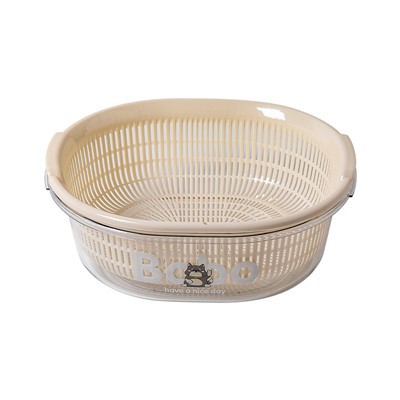
If you’re in the market for sealable food containers that are honest about their capacity, durable, and actually work for real life (no fancy Instagram tricks required), feel free to reach out. We have sets for every need—small apartment meal prep, bulk family storage, even stuff for camping. No pushy sales stuff, just people who know containers and want to help you find the right ones. Shoot us a line to chat through what you need, and we’ll hook you up with the perfect options.
Multi Coloured Storage Baskets References:
- Food and Drug Administration. (2022). Plastic Food Container Safety and Capacity Guidelines. U.S. Department of Health and Human Services.
- Institute of Food Technologists. (2021). Airtight Food Storage: Design and Usability for Home and Professional Settings. IFT Press.
- National Restaurant Association. (2020). Meal Prep and Storage Best Practices for Commercial and Home Use. NRA Education Foundation.
Hangzhou Cheerhope New Materials Co., Ltd.
As one of the most professional sealable food containers manufacturers and suppliers in China, we offer a wide range of products with superior quality. Please rest assured to wholesale bulk durable sealable food containers made in China here from our factory. Contact us for more discount information.
Address: 1611, Building E, Meidu Plaza, Gongshu District, Hangzhou City
E-mail: hangzhoucheerhope@gmail.com
WebSite: https://www.chinastoragebox.com/
