Hey everyone, it’s Jake here, and I run a small chip warmer supply operation—you know, the kind that’s been around long enough to hear every wild question under the sun, from “can I reheat my coffee mug on these?” to the one that’s been popping up more and more lately: “Do chip warmers have a reset button?” CHIP WARMER
Let me cut to the chase: I get this question probably once a week, sometimes from new foodservice owners who’ve just bought their first unit and watched it act all wonky—like it’s flipping on and off randomly, or not heating the fries evenly, or that weird blinking light that makes them think the whole thing’s broken. Old heads in the biz don’t bat an eye, but if you’re fresh out of culinary school, or running a tiny café that’s scaling up, this stuff can feel like rocket science.
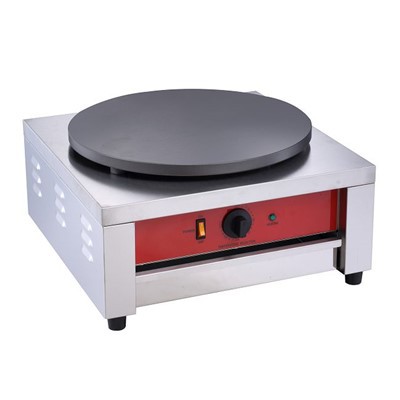
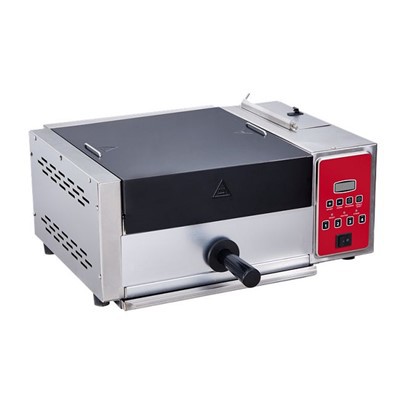
First off, let’s break down what a chip warmer actually is, because a lot of folks mix up the different types, and that’s half the confusion. Back in the day, most restaurants used the hot plate style—just a metal slab with a heating element underneath, kind of like a giant, stovetop griddle, no fancy bells and whistles. Then came the heated display cases, the ones with glass fronts so you can show off your crispy fries or chicken tenders to passersby. Now we’ve got these countertop models with digital controls, which are super popular for small spaces, but they’re also the ones that make people reach for the reset button.
Here’s the thing: most basic chip warmers—like the reliable hot plate models we’ve been supplying since I started—don’t have a reset button. At all. No hidden switch, no “reset” label, nothing. They’re simple machines: plug them in, flip the power switch, and that’s it. If they stop working, it’s usually something way more basic than a reset—like a tripped outlet, a frayed power cord, or a heating element that’s finally given out after 10 years of use. I’ve had customers call panicking saying their 15-year-old hot plate is dead, and half the time all it is is the outlet it’s plugged into got overloaded by a milk frother or a coffee maker next to it. Reset the outlet (unplug everything, wait 10 seconds, plug back in) and boom, it’s back to warming fries. That’s not a reset button on the chip warmer—that’s just regular outlet maintenance.
Now, the digital models, the ones with touchpads and temperature displays? Those are a different story. A lot of those do have a “reset function” built into the control panel, but it’s not a big, red button you can mash like you do on a modem. It’s usually a combination of holding two buttons for 5 seconds, or navigating a tiny menu on the display, or even just unplugging it for 30 seconds and plugging it back in (that’s a soft reset, for the tech folks). The problem is, most people don’t read the manual—shocking, I know, but it’s true—so when their digital warmer starts acting up, they’re hunting for a physical reset button that doesn’t exist, instead of flipping to page 7 of the 10-page pamphlet to find the control reset.
But wait, before we go blaming the machines, let’s talk about why people think they need a reset button in the first place. Chip warmers don’t handle stress well. If you overload a hot plate with 5 pounds of fries stacked too high, the heating element works overtime to keep all that hot, and it might trigger an internal thermal safety cutout. That’s a built-in fail-safe to stop the element from overheating and starting a fire, which is actually a good thing—until you’re stuck wondering why your fries are cold. A lot of people call me about this, thinking their unit is broken, and the fix here is way simpler than a reset: wait 15 minutes, let the unit cool down, unstack all the fries, and try again. That thermal cutout will reset on its own once it’s not overheating anymore—no button required.
I’ve seen this happen so many times last year, when a local burger joint bought a new digital display case for their summer rush. They crammed it full of fries, chicken nuggets, and some loaded tater tots, and by lunch rush, the display case light started blinking and the temperature dropped. The owner called me screaming, saying “my reset button isn’t working!” I asked if they’d overloaded it, and they admitted they stuffed every shelf full because they thought it would keep food warmer. Told them to clear out half the food, unplug it for a minute, plug it back in, and hit the “default” setting on the control panel (that’s the reset function). They did it, and it was back up in 2 minutes. Turned out they just had the temperature set too high, which was also causing the internal safety to kick in—something the manual would’ve told them if they’d bothered to look.
Now, let’s get into the common myths, because there’s a lot of bad info online about this. I’ve seen forums where people say “all chip warmers have a reset button under the back panel” or “you have to hold the power button for 10 seconds to reset it.” That’s not universal. Some cheap no-name models do have hidden reset switches, but most reputable ones—like the ones we supply, from manufacturers that test for foodsafety—don’t. And if they do, it’s not a button you should be mashing every time your fries take an extra minute to heat. Over-resetting a digital unit can sometimes mess with its temperature calibration, which means your fries will be too cold or too hot the next time you use it.
Another big one: people confuse chip warmers with other kitchen appliances. A lot of folks come from using deep fryers, which do have reset buttons for the thermal safety, so they assume chip warmers work the same way. It’s similar, but not identical. Deep fryers have oil that can catch fire if overheated, so their reset is often a physical button you have to push. Chip warmers, though most have safety features, rely more on that natural cool-down reset for the thermal cutout. The only time you really need to trigger a reset on a chip warmer is if it’s acting glitchy—like the display is frozen, or it’s showing a wrong temperature— and even then, it’s usually a soft reset (unplug and wait) not a dedicated button.
Let me give you a quick, real example from last month. A food truck owner reached out, panicking because his countertop chip warmer was turning on for 5 minutes, then turning off for 10, on repeat, and his late-night taco orders were getting cold fries. He told me he’d checked every button, tried resetting it a dozen times, even cleaned the heating element. I asked him if he’d had it for more than a year. Turns out it was a digital model, and he’d had it for 18 months. Walked him through doing a full control reset: hold the “temp up” and “temp down” buttons at the same time for 5 seconds, until the display flashed “rES.” He did it, and it worked. Turned out the temperature sensor had just drifted a little, and a reset fixed it. But he told me he never would’ve thought to hold two buttons—he was still looking for a big red reset button like his phone charger has.
Now, for the suppliers, let’s be real—we get asked this question because customers want to know if their unit is fixable without calling a technician. No one wants to wait around for a repair guy when they’ve got a rush of lunch orders to fill. So when we sell a chip warmer, we make sure to include a 1-page quick guide (not just the 10-page manual) that lists the common issues and fixes: if it’s not heating, check the outlet; if it’s blinking, check for overload; if it’s glitching, do the soft reset. We also tell them straight up: basic models don’t have a physical reset button, digital models have a control reset but it’s not obvious.
I know it’s easy to get frustrated when your kitchen gear acts up. I’ve been there—sat in a busy restaurant at 12:30pm, watching my chip warmer die, thinking I’m going to lose a ton of orders. But here’s the thing: 90% of the time, the issue isn’t that your chip warmer is “broken” and needs a reset button. It’s that you’re using it wrong, or it’s a simple fix that doesn’t involve mashing a random button.
If you’re in the market for a chip warmer and worried about this whole reset button thing, my advice is simple: don’t fixate on the reset button. Fixate on what actually matters: will it keep my fries at 140°F (the FDA-recommended safe temperature for hot food, by the way) all rush long? Is it easy to clean? Does it have safety features so I don’t have to worry about a fire? Those are the questions that actually make a difference, not whether there’s a hidden reset switch.
And if your chip warmer is acting up? Before you call me panicking about reset buttons, try these 3 quick steps: 1) Unplug it, wait 30 seconds, plug it back in— that’s the universal soft reset for almost all appliances, including chip warmers. 2) Check if you’ve overloaded it—take half the food out, let it cool 15 minutes, then try again. 3) If it’s digital, check the manual (we keep digital copies of all our manuals on our website, so you don’t have to hunt for a physical one) to find the control reset.
At the end of the day, chip warmers don’t need a big, flashy reset button. They’re workhorses, built to keep food warm day in and day out, and most of the time, the fix is way simpler than you think. If you’re dealing with a wonky unit, or you’re in the market for a new one and have more questions, don’t hesitate to reach out. We’re here to help, no tech jargon, no hidden reset tricks, just straight-up advice for keeping your fries hot and your customers happy.
Hot Plate References
U.S. Food and Drug Administration. (n.d.). Food Service Temperature Requirements. FDA Food Safety.
National Restaurant Association. (2022). Commercial Kitchen Equipment Maintenance Guide. NRA Kitchen Solutions.
International Association of Culinary Professionals. (2021). Small Format Foodservice Equipment Best Practices. IAP Professional Resources.
Foshan Frespro Industries Co., Ltd.
Foshan Frespro Industries Co., Ltd. is one of the most experienced chip warmer manufacturers and suppliers in China, featured by quality products and good price. We warmly welcome you to buy advanced chip warmer for sale here and get quotation from our factory. Customized orders are welcome.
Address: No.24, 1ST DISTRICT, FUAN INDUSTRIAL ZONE, LIANDU LELIU, SHUNDE FOSHAN, GUANGDONG CHINA
E-mail: lisa@dezaoequip.cn
WebSite: https://www.fresproeq.com/
