When I’m out at trade shows or chatting with folks in woodworking shops, one question keeps popping up more than you’d think: “Can a bench sander be used for sanding leather?” And honestly? It’s not a dumb question at all. A lot of people figure their bench sander’s for wood, metal, maybe even plastics—so why would leather work? But as someone who’s been selling these machines for the better part of a decade, I’ve seen way more than a few DIYers and small craftsmen give this a shot (some with great results, some with… well, let’s just say they learned the hard way). Bench Sander
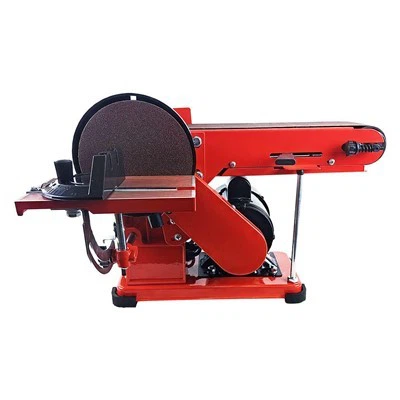
First off, let’s break down what makes leather different from the stuff most of us use bench sanders on. Leather’s a natural material—each hide’s a little different, whether it’s cowhide, sheepskin, or that thick workhorse leather you use for tool belts. It’s not hard like wood, but it’s also not soft and malleable like fabric; it has a dense grain that can fray if you push too hard, or scratch if you use the wrong grit. A bench sander’s power comes from that belt or disc spinning super fast, right? That speed is what makes it so good for shaping wood quickly, but it can be a problem with leather if you don’t adjust things properly.
I’ve had customers come back and tell me they tried sanding a wallet cutout with their 80-grit bench sander and ended up with a ragged edge full of fuzz. That’s usually because they used a belt that’s too coarse, or they held the leather flat against the moving surface without tension. Leather needs a little give to it, not the rigid hold wood gets when you clamp it down. When you press leather too flat against a high-speed sander, the grain pulls away, and you end up with that fuzzy, uneven finish no crafter wants. But flip that: I’ve also had a leather craftsman use his 120-grit belt on a bench sander to smooth out a thick work boot sole, and he said it cut his sanding time in half compared to using a hand sanding block. So it’s not a yes or no answer—it’s a “yes, but only if you do it right” kind of thing.
Let’s talk about the basics of how to actually make this work, because there’s a right way and a very wrong way. First, pick your belt grit carefully. For light sanding—like softening the edge of a leather piece or getting rid of a small scratch—stick to 120-grit or higher. If you need to shape a thick hide, 80-grit might work, but only if you go slow, and even then, you have to be gentle. Too low a grit (meaning higher number, like 240-grit) and the sander will just glide over the leather without doing anything, wasting your time. Too high a grit (lower number, 60 or less) and you’ll dig into the grain, leaving deep scratches that are almost impossible to fix.
Next up, speed. Most bench sanders let you adjust the motor speed, right? If you’ve got that option, turn it down. Leather doesn’t need the high RPMs that wood does. A slower speed keeps the belt from grabbing too hard and tearing the grain. I always tell customers to start at the lowest speed they can, test a scrap piece of leather first, and go from there. If it feels like it’s working smoothly without pulling, you’re good; if it’s making a loud, screeching noise, or the leather’s moving more than it should, turn the speed down more.
Then there’s how you hold the leather. This is the part most people mess up. With wood, you clamp it down tight against the belt, but with leather, you want to hold it taut but not stretched. Think of it like stretching a piece of rubber over a frame—you want it flat, but not pulled so hard it tears. Hold the leather at a slight angle to the belt (not straight on, that’s how you get gouges) and move it back and forth slowly, like you’re sanding a piece of paper. Don’t press down hard—let the grit do the work, not your strength. I once had a customer who pressed so hard he burned a hole in a $20 piece of cowhide, and that’s because he forgot that leather’s flammable. If you’re sanding too long in one spot, the friction from the belt can heat up the leather and even burn it, especially if it’s a thinner hide. Keep your movements short and smooth, and check the piece often so you don’t over-do it.
Now, what kind of leather is best for this? Thicker, sturdier leathers—like full-grain cowhide, utility leather, or even leather from old belts or work boots—hold up way better to a bench sander than thin, delicate stuff like lambskin or suede. Suede’s a big no, actually. The nap on suede is super fine, and a bench sander will just tear it off, leaving a flat, rough mess. Thin leather, like the kind you use for guitar straps or small wallets, is too flexible and will bunch up under the belt. If you want to sand thin leather, you have to back it with something rigid first—like a piece of MDF or cardboard—so it doesn’t wrinkle. But for thick, heavy leather, a bench sander can be a total game-changer. It’s way faster than hand sanding, especially for big projects like work aprons or saddle bags where you have to sand a lot of edges.
Wait, let’s get into some real-world examples to make this concrete. A few months back, I had a guy who makes custom tool belts come into the shop, and he was raving about how he uses his belt bench sander to smooth the edges of his belts. “Before, I was spending 2 hours a belt sanding by hand with 100-grit paper,” he said. “Now, I can do the same edge in 10 minutes.” The key? He uses a 120-grit belt, runs the sander at half speed, and holds the belt taut with one hand while he moves the leather slowly with the other. He said he only messed up once—he used 80-grit once, and it left too deep a scratch, but since then, he’s been hooked. Another example: a leather crafter who makes small purses tried using his disc sander (which is part of some combo bench sander setups) to round the corners of his purses. He had to use a 150-grit disc, go super slow, and keep a damp cloth nearby to keep the leather from overheating. It worked, but he said edges were a little more rounded than he wanted, so now he sticks to the belt for edges and only uses the disc for light shaping.
Of course, there are risks, and I’d be lying if I said there aren’t. The biggest one is tearing or gouging the leather, which is why testing on a scrap first is non-negotiable. Another one is burn marks, like that customer I mentioned earlier. If you’re sanding a large area, make sure to keep moving the leather so you don’t spend too much time in one spot. Also, leather dust—just like wood dust, it’s not great to breathe. Make sure you’ve got a dust collector hooked up to your bench sander, or at least a good face mask. Leather dust is a little different than wood dust, but it’s still fine, and breathing it in over time can irritate your lungs. So safety first, even if you’re just messing around with a craft project.
Now, let’s talk about why this matters for someone like me, selling bench sanders. A lot of people don’t realize that bench sanders are versatile tools—they’re not just for wood shops. A good quality belt bench sander (we make these, obviously) has the right speed and belt tension options that make sanding leather possible, if you know how to use it right. Cheap, no-name bench sanders? Probably not. They usually don’t have adjustable speed, and their belts are too loose, so they’ll slip instead of sanding the leather. That’s why it’s important to get a sander that’s built to handle different materials, not just wood. A sander with a variable speed motor, adjustable belt tracking, and a durable belt tensioner will let you switch between sanding wood and leather without any hassle.
I’ve seen way too many people waste money on a cheap sander, try to use it for leather, and then say “bench sanders don’t work for leather” when really, their tool was just the wrong one. The right bench sander? It can be a great addition to a leather crafter’s shop, or a DIYer who likes making leather projects in their garage. You just have to adjust how you use it.
So to circle back to the original question: Can a bench sander be used for sanding leather? The answer is yes—if you pick the right sander, the right grit, adjust the speed, and use the right technique. It’s not for every type of leather, and it’s definitely not for beginners who haven’t practiced with it, but when you get the hang of it, it saves a ton of time and gives you a smooth, even finish that hand sanding can take forever to get.

Now, if you’re someone who’s been thinking about trying this, or you’re a leather crafter looking to upgrade your sanding setup, I’d be happy to chat. I’ve been in this game long enough to know what works, what doesn’t, and how to make sure your projects turn out right. I’ve helped dozens of folks pick the right bench sander for their needs, whether they’re just starting out or running a small business. Don’t let anyone tell you bench sanders are only for wood—they’re versatile, and that includes leather, when you do it properly.
Drill Presses References:
- Leather Craft Supply Association. (2022). Guide to Working with Leather Tools and Equipment.
- Woodworking Network. (2021). “Versatility in Bench Sanders: Beyond Woodworking Applications.”
- Journal of Home Crafting & Tools. (2023). “Optimizing Sanding Speeds for Natural Materials.”
- Leather Industry Safety Alliance. (2020). Safety Guidelines for Dust and Tool Use in Leather Craft.
YS Machine Tools Co., Ltd.
We’re well-known as one of the leading bench sander suppliers in China, featured by quality products and good service. Please rest assured to buy customized bench sander at competitive price from our factory. Contact us for more details.
Address: 300 Sandusky st, Ohio, 43611, USA
E-mail: yishoumachinetools@gmail.com
WebSite: https://www.ysmachinetool.com/
