As a supplier of chrome plated rollers, I often get asked about the chemical composition of the chrome plating on these rollers. Chrome plating is a process that involves depositing a thin layer of chromium onto a substrate, in this case, the rollers. This plating not only enhances the appearance of the rollers but also provides several functional benefits, such as increased hardness, wear resistance, and corrosion resistance. Chrome Plated Rollers
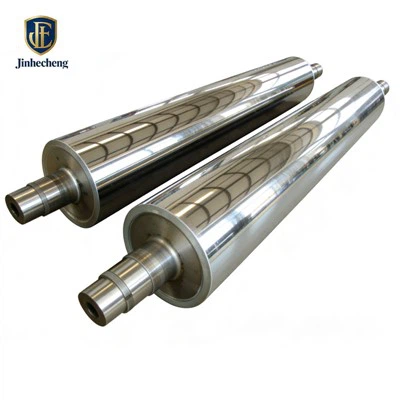
The Basics of Chrome Plating
Chrome plating is achieved through an electroplating process. In electroplating, an electric current is used to deposit a metal onto a conductive surface. For chrome plating, the rollers are immersed in a bath containing a solution of chromic acid and other additives. The rollers act as the cathode (negative electrode), while a piece of chromium metal serves as the anode (positive electrode). When an electric current is applied, chromium ions from the solution are attracted to the rollers and deposited on their surface.
Chemical Composition of Chrome Plating
The primary component of chrome plating is chromium (Cr). Chromium is a hard, lustrous metal that has excellent corrosion resistance and a high melting point. In the context of chrome plated rollers, the chromium layer provides the characteristic shiny appearance and the majority of the functional properties.
However, pure chromium plating is not always used. In most cases, the chrome plating on rollers is a combination of different elements and compounds, which can be classified into two main types: decorative chrome plating and hard chrome plating.
Decorative Chrome Plating
Decorative chrome plating is mainly used for aesthetic purposes. It typically consists of a thin layer of chromium deposited over a layer of nickel. The nickel layer serves as a base, providing a smooth surface for the chromium to adhere to and enhancing the overall corrosion resistance.
The chemical composition of the nickel layer usually contains nickel (Ni) as the main element, along with small amounts of other elements such as sulfur (S) and phosphorus (P). These additives are used to improve the hardness and ductility of the nickel layer. The chromium layer on top is almost pure chromium, with a thickness ranging from 0.25 to 1 micrometer.
Hard Chrome Plating
Hard chrome plating is used when functional properties such as wear resistance and hardness are required. It is thicker than decorative chrome plating, with a thickness ranging from 25 to 250 micrometers.
The chemical composition of hard chrome plating is more complex. In addition to chromium, it may contain small amounts of other elements such as sulfur (S), carbon (C), and oxygen (O). These elements are present in the form of impurities or additives that can affect the properties of the chrome plating.
For example, sulfur can be added to the plating bath to increase the hardness of the chrome layer. Carbon can be present as a result of the decomposition of organic additives in the bath. Oxygen can be incorporated into the chrome layer during the plating process, which can affect the adhesion and corrosion resistance of the plating.
Factors Affecting the Chemical Composition
Several factors can affect the chemical composition of the chrome plating on rollers. These include the plating bath composition, the plating process parameters, and the substrate material.
Plating Bath Composition
The composition of the plating bath is one of the most important factors. The bath typically contains chromic acid (H₂CrO₄), which is the source of chromium ions. Other additives such as sulfuric acid (H₂SO₄) and catalysts are also added to the bath to control the plating process and improve the quality of the plating.
The concentration of these chemicals in the bath can affect the deposition rate, the thickness, and the chemical composition of the chrome plating. For example, a higher concentration of chromic acid can result in a faster deposition rate and a thicker chrome layer.
Plating Process Parameters
The plating process parameters, such as the current density, the temperature, and the plating time, also play a crucial role in determining the chemical composition of the chrome plating.
The current density affects the rate of chromium deposition and the structure of the chrome layer. A higher current density can result in a more compact and harder chrome layer, but it can also increase the risk of cracking and porosity.
The temperature of the plating bath can affect the solubility of the chemicals and the rate of chemical reactions. A higher temperature can increase the deposition rate, but it can also lead to the formation of more impurities in the chrome layer.
The plating time determines the thickness of the chrome layer. Longer plating times result in thicker layers, but they also increase the risk of over-plating and the formation of defects.
Substrate Material
The substrate material of the rollers can also affect the chemical composition of the chrome plating. Different materials have different surface properties and reactivity, which can influence the adhesion and the chemical interaction between the substrate and the chrome layer.
For example, if the substrate is made of steel, it may contain elements such as carbon, manganese, and silicon. These elements can diffuse into the chrome layer during the plating process, affecting its chemical composition and properties.
Importance of Chemical Composition
The chemical composition of the chrome plating on rollers is crucial for its performance and durability. A well – formulated chrome plating can provide excellent wear resistance, corrosion resistance, and hardness, which are essential for the proper functioning of the rollers in various applications.
In industries such as printing, paper manufacturing, and textile production, rollers are subjected to high levels of wear and abrasion. A chrome plating with the right chemical composition can significantly extend the lifespan of the rollers, reducing maintenance costs and downtime.
Corrosion resistance is also important, especially in environments where the rollers are exposed to moisture, chemicals, or other corrosive substances. A chrome plating with good corrosion resistance can prevent the rollers from rusting and deteriorating, ensuring their long – term reliability.
Conclusion
In conclusion, the chemical composition of the chrome plating on rollers is a complex mixture of chromium and other elements. The type of chrome plating, whether decorative or hard, determines the specific composition and properties. Factors such as the plating bath composition, process parameters, and substrate material all play a role in shaping the chemical makeup of the chrome layer.

As a supplier of chrome plated rollers, we understand the importance of getting the chemical composition right. Our team of experts carefully controls every aspect of the plating process to ensure that our rollers meet the highest standards of quality and performance.
Stainless Steel Roller If you are in the market for high – quality chrome plated rollers, we invite you to contact us for a detailed discussion. We can provide you with more information about our products, answer any questions you may have, and help you find the perfect solution for your specific needs. Let’s work together to achieve your goals and ensure the success of your operations.
References
- "Modern Electroplating", Fourth Edition, edited by Mordechay Schlesinger and Milan Paunovic.
- "Electroplating Engineering Handbook", Third Edition, by Paul A. Shipley.
- Journal articles on chrome plating technology and surface engineering from sources such as the Journal of the Electrochemical Society.
Qingdao Jinhecheng Machinery Co., Ltd.
Qingdao Jinhecheng Machinery Co., Ltd. is one of the most professional chrome plated rollers manufacturers and suppliers in China, featured by quality products and low price. Please rest assured to buy discount chrome plated rollers made in China here from our factory. Customized orders are welcome.
Address: Aishan Industrial Park, Yanghe Town, Jiaozhou, Qingdao City, Shandong Province
E-mail: alice@jhcroller.com
WebSite: https://www.jhcroller.com/
