In the dynamic landscape of modern aviation, technological advancements are constantly reshaping the way we design, operate, and experience air travel. Among the many innovations contributing to this evolution, TFT LCD touch screens have emerged as a pivotal element in enhancing the functionality, efficiency, and safety of aviation systems. As a leading supplier of TFT LCD touch screens, I am excited to explore the potential of these cutting-edge displays in aviation applications. TFT LCD Touch Screen

The Basics of TFT LCD Touch Screens
Before delving into their aviation uses, let’s briefly understand what TFT LCD touch screens are. A Thin-Film Transistor Liquid-Crystal Display (TFT LCD) is a type of flat-panel display technology that offers high-resolution images, excellent color accuracy, and wide viewing angles. The addition of a touch screen functionality allows users to interact directly with the display, making it more intuitive and user-friendly.
TFT LCD touch screens are composed of several layers. The TFT layer controls the individual pixels on the screen, enabling precise and fast image display. The liquid crystal layer is sandwiched between two polarizing filters, and by applying an electrical current to the TFT, the orientation of the liquid crystals can be changed, thus controlling the amount of light passing through and creating the image. The touch screen layer can be made using various technologies such as resistive, capacitive, or infrared, each with its own advantages and disadvantages.
Advantages of TFT LCD Touch Screens in Aviation
The aviation industry demands high – performance and reliable components, and TFT LCD touch screens offer several key advantages that make them suitable for this challenging environment.
Enhanced User Interface
In the cockpit, pilots need to access and manage a vast amount of information quickly and accurately. TFT LCD touch screens provide an intuitive and customizable user interface. Pilots can easily tap, swipe, and zoom to navigate through different flight parameters, maps, and system diagnostics. This reduces the time and effort required to operate complex avionic systems, improving situational awareness and decision – making capabilities.
For example, instead of flipping through multiple pages on a traditional display or using a complex set of buttons and knobs, a pilot can directly interact with a touch screen to access weather data, change autopilot settings, or check fuel levels. This simplified interaction reduces the risk of human error and allows pilots to focus on flying the aircraft.
Space and Weight Savings
Traditional avionics systems often consist of a large number of physical gauges, switches, and indicators, which take up valuable space and add significant weight to the aircraft. TFT LCD touch screens can consolidate multiple functions into a single display, reducing the number of components required. This not only saves space in the cockpit but also helps to reduce the overall weight of the aircraft.
In the case of commercial airliners, even a small reduction in weight can lead to significant fuel savings over the long term. For smaller general aviation aircraft, the space savings can allow for more comfortable seating arrangements or additional storage space.
High – Resolution Display
Aviation applications require clear and accurate visual information. TFT LCD touch screens offer high – resolution displays that can present detailed maps, flight plans, and system status information. The high pixel density ensures that text and graphics are sharp and easy to read, even from a distance or at different angles.
This is particularly important in situations where pilots need to make critical decisions based on the information displayed on the screen. For example, during navigation in adverse weather conditions, a high – resolution map can help pilots accurately identify terrain features, waypoints, and potential hazards.
Customization and Adaptability
TFT LCD touch screens can be easily customized to meet the specific needs of different aviation applications. Manufacturers can design the user interface to display only the relevant information for a particular aircraft type or mission. Additionally, the software running on the touch screen can be updated remotely, allowing for the addition of new features or the improvement of existing ones.
For military aviation, this means that the touch screen displays can be quickly reconfigured for different combat scenarios. In commercial aviation, airlines can customize the in – flight entertainment and information systems to provide a unique passenger experience.
Challenges and Considerations
While TFT LCD touch screens offer numerous benefits in aviation, there are also several challenges and considerations that need to be addressed.
Environmental Conditions
Aviation environments are extremely harsh, with wide temperature variations, high humidity, and exposure to vibration and shock. TFT LCD touch screens need to be designed to withstand these conditions. For example, they need to operate reliably in temperatures ranging from – 40°C to 85°C, which requires special materials and thermal management techniques.
Vibration and shock can also cause damage to the touch screen components. To ensure durability, the touch screens are often designed with robust mechanical structures and shock – absorbing materials.
Safety and Redundancy
In aviation, safety is of the utmost importance. TFT LCD touch screens need to be designed with multiple levels of redundancy to ensure that they can continue to function in the event of a failure. This may include backup power supplies, redundant display controllers, and fault – tolerant software.
Additionally, the touch screen interface needs to be designed to prevent accidental inputs. For example, the touch screen may be equipped with a lockout feature to prevent unintended touches during critical flight phases.
Certification and Compliance
All aviation components must meet strict regulatory requirements and certifications. TFT LCD touch screens need to comply with standards such as DO – 160 (Environmental Conditions and Test Procedures for Airborne Equipment) and DO – 254 (Design Assurance Guidance for Airborne Electronic Hardware). These standards ensure that the touch screens are safe, reliable, and perform as expected in an aviation environment.
Real – World Applications
TFT LCD touch screens are already being used in a variety of aviation applications.
Cockpit Displays
In modern aircraft cockpits, TFT LCD touch screens have replaced many of the traditional analog gauges and displays. They are used to present primary flight information, such as airspeed, altitude, and attitude, as well as navigation data, engine parameters, and system status.
For example, the Airbus A380 and Boeing 787 Dreamliner both feature large – format TFT LCD touch screens in their cockpits. These displays provide pilots with a comprehensive view of the aircraft’s systems and flight environment, improving safety and efficiency.
In – Flight Entertainment Systems
In the passenger cabin, TFT LCD touch screens are used in in – flight entertainment systems. Passengers can use the touch screens to select movies, music, games, and other entertainment options. They can also access flight information, such as the aircraft’s position, speed, and estimated time of arrival.
Some airlines are even using touch screens to provide passengers with interactive maps of their destination, allowing them to plan their trips and explore local attractions before they land.
Ground Support Equipment
TFT LCD touch screens are also used in ground support equipment, such as aircraft maintenance carts and ground control stations. These touch screens allow maintenance personnel to access aircraft systems, perform diagnostic tests, and update software. They also provide ground controllers with real – time information about the aircraft’s status and position on the ground.
Conclusion
TFT LCD touch screens have the potential to revolutionize the aviation industry by providing enhanced user interfaces, space and weight savings, high – resolution displays, and customization options. While there are challenges to overcome, such as environmental conditions, safety, and certification, the benefits of using these touch screens in aviation are significant.
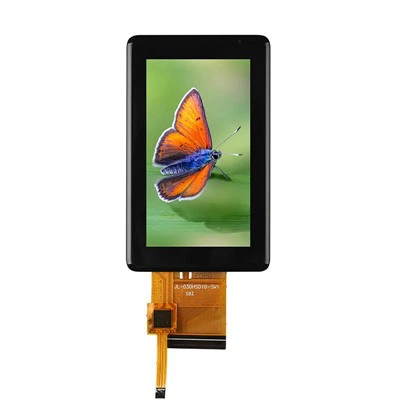
As a supplier of TFT LCD touch screens, we are committed to developing and manufacturing high – quality products that meet the strict requirements of the aviation industry. Our team of experts has extensive experience in designing and testing touch screens for harsh environments, and we are constantly working on improving the performance and reliability of our products.
TFT LCD Touch Screen If you are in the aviation industry and are looking for a reliable TFT LCD touch screen supplier, we would be delighted to discuss your specific needs. Our products offer the latest technology, excellent quality, and competitive pricing. Contact us today to start a conversation about how our TFT LCD touch screens can enhance your aviation applications.
References
- "Avionics Handbook", edited by Ephraim Suhir, CRC Press
- "DO – 160G: Environmental Conditions and Test Procedures for Airborne Equipment", Radio Technical Commission for Aeronautics (RTCA)
- "DO – 254: Design Assurance Guidance for Airborne Electronic Hardware", Radio Technical Commission for Aeronautics (RTCA)
Shenzhen Mingqi Photoelectric Co., Ltd.
We’re well-known as one of the leading TFT LCD touch screen manufacturers and suppliers in China, featured by quality products and good price. Please rest assured to buy bulk customized TFT LCD touch screen from our factory. Welcome to view our website for more information.
Address: 3rd Floor, Building A, Fufang Science and Technology Park, Xintian Community, Fuhai Street, Baoan District, Shenzhen, Guangdong
E-mail: mingqisales@gmail.com
WebSite: https://www.mq-screen.com/
