Hey there! I’m a supplier in the sewage treatment plant business, and today I wanna chat about the different types of sewage treatment plants. It’s a super important topic, especially considering how crucial proper sewage treatment is for our environment and public health. Sewage Treatment Plant

1. Primary Treatment Plants
Let’s start with the basics – primary treatment plants. These are like the first line of defense in the sewage treatment process. When sewage comes into the plant, the first thing it goes through is screening. This is where big stuff like sticks, rags, and even plastic bottles get removed. You wouldn’t believe the crazy things we find in sewage sometimes!
After screening, the sewage moves into a sedimentation tank. Here, gravity does its thing. Heavier solids, like sand and sludge, sink to the bottom, and the lighter stuff, like oil and grease, floats to the top. The sludge that settles at the bottom is then removed and sent for further processing, while the partially treated water moves on to the next stage.
Primary treatment plants are relatively simple and cost – effective. They’re great for removing a large portion of the solid materials in sewage, but they don’t do much to get rid of dissolved pollutants. That’s where the other types of treatment plants come in.
2. Secondary Treatment Plants
Secondary treatment plants take things a step further. Once the sewage has gone through primary treatment, it enters the secondary treatment phase. This is where biological processes come into play.
One common method in secondary treatment is the activated sludge process. In this process, the sewage is mixed with a group of microorganisms, mainly bacteria. These bacteria break down the organic matter in the sewage, like human waste and food particles, into simpler substances. It’s like a little army of tiny cleaners working to purify the water.
The mixture of sewage and bacteria is kept in an aeration tank, where air is constantly pumped in. The oxygen helps the bacteria grow and do their job more efficiently. After a while, the mixture is sent to another sedimentation tank. Here, the bacteria and other solids settle to the bottom, and the now much cleaner water is separated.
Another type of secondary treatment is the trickling filter system. In this system, the sewage is sprayed over a bed of rocks or plastic media. As the sewage trickles down through the media, a layer of microorganisms forms on the surface. These microorganisms break down the organic matter in the sewage as it passes by.
Secondary treatment plants are really effective at removing a large amount of the organic pollutants in sewage. They can reduce the biochemical oxygen demand (BOD), which is a measure of how much oxygen is needed by the microorganisms in the water to break down the organic matter.
3. Tertiary Treatment Plants
Tertiary treatment plants are the final step in the sewage treatment process. After the sewage has gone through primary and secondary treatment, there are still some pollutants left, like nutrients (such as nitrogen and phosphorus), heavy metals, and pathogens.
One of the main goals of tertiary treatment is to remove these remaining pollutants to make the water safe to be released into the environment or reused. There are several methods used in tertiary treatment.
One common method is filtration. The water is passed through various filters, like sand filters or activated carbon filters. These filters can remove small particles, some dissolved organic matter, and even some heavy metals.
Another method is disinfection. This is crucial to kill any remaining pathogens in the water. Chlorine is a commonly used disinfectant, but there are also other options like ultraviolet (UV) light. UV light can effectively kill bacteria, viruses, and other microorganisms without adding any chemicals to the water.
Tertiary treatment plants are more complex and expensive than primary and secondary treatment plants, but they are essential for protecting the environment and ensuring the quality of our water resources.
4. Advanced Treatment Plants
Advanced treatment plants are a step beyond tertiary treatment. These plants are designed to remove very specific pollutants or to achieve extremely high levels of water quality.
For example, some advanced treatment plants are used to remove pharmaceuticals and personal care products (PPCPs) from sewage. These substances are becoming a growing concern because they can have negative impacts on the environment and human health. Advanced treatment methods for PPCPs include advanced oxidation processes, which use powerful oxidants to break down these stubborn pollutants.
Another area where advanced treatment plants are used is in water reuse. In some regions where water is scarce, treated sewage can be reused for non – potable purposes like irrigation or industrial processes. Advanced treatment plants can ensure that the reused water meets the strict quality standards required for these applications.
5. Package Treatment Plants
Package treatment plants are a great option for small communities, commercial buildings, or even individual homes. These are pre – fabricated treatment plants that are designed to be easy to install and operate.
They usually combine primary, secondary, and sometimes even tertiary treatment in a single unit. Package treatment plants are compact and can be customized to meet the specific needs of the user. They’re also relatively affordable compared to large – scale treatment plants.
For example, a small resort in a remote area might use a package treatment plant to treat its sewage. This way, they can ensure that their wastewater is properly treated without having to build a large and expensive treatment facility.
6. Industrial Sewage Treatment Plants
Industrial sewage treatment plants are specifically designed to handle the unique wastewater generated by industries. Different industries produce different types of pollutants, so these plants need to be tailored to the specific needs of each industry.
For example, a chemical factory might produce wastewater that contains high levels of toxic chemicals. An industrial sewage treatment plant for this factory would need to have processes in place to remove these chemicals, such as chemical precipitation or activated carbon adsorption.
A food processing plant, on the other hand, might produce wastewater with high levels of organic matter and nutrients. The treatment plant for this type of industry would focus on removing these organic pollutants and reducing the nutrient content.
Industrial sewage treatment plants are often more complex and require more specialized equipment than municipal treatment plants. They also need to comply with strict environmental regulations to ensure that the treated wastewater is safe to be discharged.
Why Choose Our Sewage Treatment Plants?
As a supplier in the sewage treatment plant business, I can tell you that we offer a wide range of high – quality treatment plants. Whether you need a small package treatment plant for your home or a large – scale industrial treatment plant, we’ve got you covered.
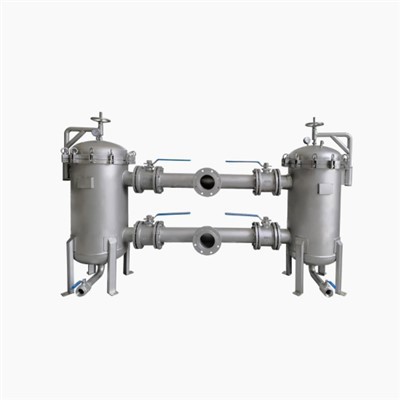
Our plants are designed with the latest technology and are built to be efficient, reliable, and easy to operate. We also provide excellent after – sales service, including maintenance and technical support.
Specialized Wastewater Treatment Equipment If you’re in the market for a sewage treatment plant, don’t hesitate to reach out. We can help you choose the right type of plant for your specific needs and budget. Contact us today to start the conversation about your sewage treatment requirements.
References
- Metcalf & Eddy. (2003). Wastewater Engineering: Treatment and Reuse. McGraw – Hill.
- Tchobanoglous, G., Burton, F. L., & Stensel, H. D. (2003). Wastewater Engineering: Treatment, Disposal, and Reuse. Pearson Education.
Shandong Lingke Environmental Technology Co., Ltd.
We’re well-known as one of the leading sewage treatment plant manufacturers and suppliers in China, featured by quality products and good price. Please rest assured to buy durable sewage treatment plant for sale here from our factory. Customized orders are welcome.
Address: 100 Meters South of the Intersection of County Road 042 and National Highway 309, Changle County, Weifang City, Shandong Province
E-mail: aileenlin@sdlingkegroup.com
WebSite: https://www.lkecotech.com/
