In the complex landscape of modern manufacturing and commerce, the role of product specifications in quality control is both profound and multifaceted. As a supplier of product specifications, I have witnessed firsthand the transformative power of well – defined product specifications in ensuring high – quality output across various industries. This blog post delves into the significance of product specifications in quality control, exploring how they serve as the cornerstone for maintaining consistency, meeting customer expectations, and driving business success. Product Specification
The Fundamentals of Product Specifications
Product specifications are detailed documents that outline the characteristics, requirements, and performance criteria of a product. These documents serve as a blueprint for manufacturers, providing clear guidelines on everything from the materials used in production to the final product’s dimensions, functionality, and safety standards.
At our company, we understand that the creation of accurate and comprehensive product specifications is the first step in the quality control process. By working closely with our clients, we gather in – depth information about their product concepts, market requirements, and regulatory constraints. This collaborative approach allows us to develop specifications that are not only technically sound but also tailored to the unique needs of each product.
Ensuring Consistency in Production
One of the primary functions of product specifications in quality control is to ensure consistency in production. When manufacturers have a clear set of guidelines to follow, they can produce products that meet the same high standards every time. This consistency is crucial for building a reputation for reliability and quality in the market.
For example, in the automotive industry, product specifications dictate the exact materials, tolerances, and performance requirements for each component. By adhering to these specifications, automotive manufacturers can ensure that every vehicle they produce meets the same safety and performance standards. This consistency not only enhances the overall quality of the vehicles but also reduces the risk of recalls and customer complaints.
In the food and beverage industry, product specifications play an equally important role. They define the ingredients, processing methods, and packaging requirements for each product. By following these specifications, food manufacturers can ensure that their products have the same taste, texture, and quality from batch to batch. This consistency is essential for maintaining customer loyalty and brand reputation.
Meeting Customer Expectations
Product specifications also serve as a means of communicating customer expectations to the manufacturing process. When customers purchase a product, they have certain expectations about its quality, performance, and functionality. By clearly defining these expectations in the product specifications, manufacturers can ensure that they are delivering products that meet or exceed customer requirements.
For instance, in the consumer electronics industry, customers expect their devices to be fast, reliable, and easy to use. Product specifications for smartphones, laptops, and tablets outline the processor speed, memory capacity, display resolution, and other features that customers value. By adhering to these specifications, electronics manufacturers can produce products that meet the high expectations of their customers.
In addition to technical specifications, product specifications can also include aesthetic and ergonomic requirements. For example, in the furniture industry, product specifications may define the color, finish, and comfort level of a chair. By meeting these aesthetic and ergonomic specifications, furniture manufacturers can create products that not only look good but also provide a comfortable and enjoyable user experience.
Regulatory Compliance
In many industries, product specifications are also essential for ensuring regulatory compliance. Governments around the world have established a wide range of regulations and standards to protect consumers, the environment, and public health. By including these regulatory requirements in the product specifications, manufacturers can ensure that their products meet all applicable laws and regulations.
For example, in the pharmaceutical industry, product specifications must comply with strict regulations regarding drug safety, efficacy, and quality control. These specifications define the active ingredients, dosage forms, and manufacturing processes for each drug. By following these specifications, pharmaceutical manufacturers can ensure that their products are safe and effective for patients.
In the construction industry, product specifications must comply with building codes and safety regulations. These specifications define the materials, design, and installation requirements for buildings and structures. By adhering to these specifications, construction companies can ensure that their projects are safe and meet all regulatory requirements.
Quality Assurance and Testing
Product specifications also play a crucial role in quality assurance and testing. Once a product has been manufactured, it is tested against the specifications to ensure that it meets all the defined requirements. This testing process can include a variety of methods, such as physical inspections, performance tests, and chemical analyses.
For example, in the aerospace industry, aircraft components are subjected to rigorous testing to ensure that they meet the strict safety and performance requirements defined in the product specifications. These tests can include stress tests, fatigue tests, and environmental simulations. By conducting these tests, aerospace manufacturers can identify any defects or non – conformities in the components and take corrective actions before the components are installed in an aircraft.
In the textile industry, fabric samples are tested for colorfastness, shrinkage, and strength to ensure that they meet the specifications. These tests help textile manufacturers to ensure that their products are of high quality and meet the expectations of their customers.
Continuous Improvement
Product specifications are not static documents. They should be continuously reviewed and updated to reflect changes in technology, customer requirements, and regulatory standards. By regularly revisiting and improving product specifications, manufacturers can drive continuous improvement in their products and processes.
For example, as new materials and manufacturing techniques become available, product specifications can be updated to incorporate these advancements. This can lead to products that are more efficient, durable, and environmentally friendly. In addition, by gathering feedback from customers and employees, manufacturers can identify areas for improvement in the product specifications and make the necessary changes.
The Role of Our Product Specification Services
As a product specification supplier, we play a vital role in helping our clients achieve their quality control goals. Our team of experts has extensive experience in developing product specifications for a wide range of industries. We work closely with our clients to understand their needs and develop specifications that are tailored to their specific requirements.
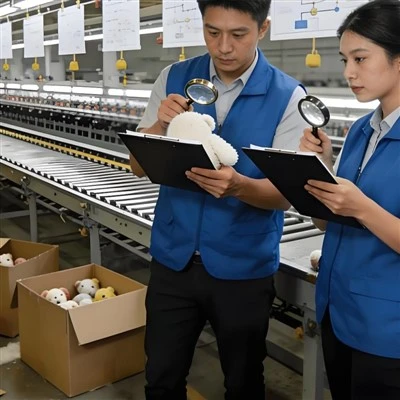
We offer a comprehensive range of services, including product specification development, review, and validation. Our development process involves in – depth research, collaboration with stakeholders, and the use of the latest industry standards and best practices. We also provide ongoing support to our clients, helping them to implement and maintain their product specifications effectively.
Contact Us for Your Product Specification Needs
Certification and Compliance If you are looking for a reliable partner to help you develop and manage your product specifications, we would love to hear from you. Our expertise in product specification development and quality control can help you ensure that your products meet the highest standards of quality, performance, and regulatory compliance. Whether you are a small startup or a large multinational corporation, we have the knowledge and experience to support your business. Contact us today to start a conversation about how we can work together to improve your product quality and drive business success.
References
- Juran, J. M., & Godfrey, A. B. (1999). Juran’s Quality Handbook. McGraw – Hill.
- Crosby, P. B. (1979). Quality Is Free: The Art of Making Quality Certain. McGraw – Hill.
- Deming, W. E. (1982). Out of the Crisis. MIT Press.
Verittek Standards Co., Ltd.
As a professional product specification service provider in China, we help clients improve overall product quality and stability by providing third-party inspection services. If you have any enquiry about cooperation, please feel free to email us.
Address: Room 1002, Building 1, Tian’an Industrial Building, Panyu Energy Saving Technology Park, No.555 North Panyu Avenue, Donghuan Street, Panyu District, Guangzhou City, China.
E-mail: sales@verittek.com
WebSite: https://www.verittek.com/
