Can automotive connectors be reused? This is a question that often arises in the automotive industry, and as a supplier of automotive connectors, I’m here to provide a comprehensive answer based on scientific knowledge and industry experience. Automotive Connector
Understanding Automotive Connectors
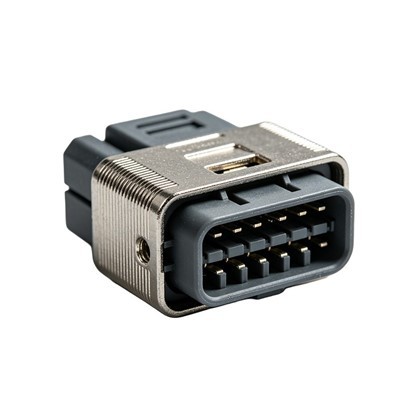
Automotive connectors are crucial components in vehicles, serving as the interface for electrical and electronic systems. They ensure the reliable transmission of power and signals between various parts of the vehicle, such as sensors, actuators, control units, and wiring harnesses. These connectors come in a wide variety of shapes, sizes, and designs to meet the specific requirements of different automotive applications.
The design and construction of automotive connectors are carefully engineered to withstand harsh operating conditions, including high temperatures, vibrations, moisture, and chemical exposure. They are typically made from high – quality materials such as metals (for contacts) and plastics (for housings) to provide good electrical conductivity, mechanical strength, and corrosion resistance.
Factors Affecting Reusability
1. Mechanical Wear
One of the primary factors that determine whether an automotive connector can be reused is mechanical wear. Every time a connector is mated and unmated, there is a certain amount of friction between the contact pins and sockets. Over time, this friction can cause the contact surfaces to wear down, leading to increased contact resistance.
In some cases, the mechanical wear may also cause the locking mechanisms of the connector to become loose or damaged. For example, the plastic latches that hold the connector halves together can break or lose their elasticity, making it difficult to ensure a secure connection. If the mechanical wear is significant, reusing the connector may result in intermittent electrical connections, which can lead to malfunctions in the vehicle’s electrical systems.
2. Environmental Exposure
Automotive connectors are exposed to a variety of environmental factors during their service life. Moisture, for instance, can cause corrosion on the metal contacts. Corrosion not only increases the contact resistance but can also damage the contact surfaces, making it difficult to establish a reliable electrical connection.
Exposure to high temperatures can also affect the performance of connectors. Some plastics used in connector housings may lose their structural integrity at high temperatures, leading to deformation or cracking. This can compromise the protection of the contacts and increase the risk of electrical short – circuits. If the connector has been exposed to extreme environmental conditions, reusing it may not be advisable.
3. Electrical Performance
The electrical performance of an automotive connector is critical for its proper functioning. Reusing a connector that has experienced electrical problems, such as over – current or voltage spikes, can be dangerous. These electrical events can cause damage to the contacts, including melting or pitting.
A connector with damaged contacts may not be able to provide a stable electrical connection, which can lead to issues such as signal loss, data errors, or even component failure. In addition, changes in the electrical properties of the connector, such as increased capacitance or inductance, can affect the performance of the vehicle’s electronic systems.
Cases Where Reuse is Possible
1. Minor Repairs and Maintenance
In some cases, when an automotive connector has been used only a few times and shows minimal signs of wear, it can be reused for minor repairs and maintenance. For example, if a connector is removed during the replacement of a nearby component and its contacts and housing are in good condition, it can be safely reconnected.
However, it is still important to inspect the connector thoroughly before reuse. Check for any signs of damage, such as bent pins, cracked housings, or corrosion. Clean the contacts if necessary to ensure a good electrical connection.
2. Low – Stress Applications
In certain low – stress applications within the vehicle, automotive connectors may be reused. Low – stress applications typically involve low – current circuits or systems that are not critical for the vehicle’s safety and performance. For example, connectors used in interior lighting or non – essential convenience features may be more likely to be reused if they are in good condition.
Cases Where Reuse is Not Recommended
1. Safety – Critical Systems
Connectors used in safety – critical systems, such as airbag systems, anti – lock braking systems (ABS), and electronic stability control (ESC), should never be reused. These systems rely on reliable electrical connections to function properly, and any malfunction can have serious consequences for the safety of the vehicle’s occupants.
Even if the connector appears to be in good condition, the potential risks associated with reusing it are too high. In the event of an accident, a faulty connector in a safety – critical system could prevent the proper deployment of airbags or the operation of the braking system, putting lives at risk.
2. High – Temperature and High – Vibration Areas
Connectors located in high – temperature and high – vibration areas of the vehicle, such as the engine compartment, are subjected to extreme conditions. These conditions can cause accelerated wear and damage to the connectors. Reusing connectors from these areas is not recommended, as the risk of electrical failure is significantly increased.
As a Supplier’s Perspective
As an automotive connector supplier, we understand the importance of providing our customers with high – quality connectors that are reliable and safe. We recommend our customers to follow the vehicle manufacturer’s guidelines regarding the reuse of connectors. In most cases, for safety – critical and high – performance applications, the use of new connectors is the best practice.
We also offer a wide range of automotive connectors that are designed to meet the highest industry standards. Our connectors are carefully tested to ensure their mechanical and electrical performance under various operating conditions. By choosing our connectors, customers can have peace of mind knowing that they are getting products that are built to last.
Conclusion
In conclusion, the reusability of automotive connectors depends on several factors, including mechanical wear, environmental exposure, and electrical performance. While there are some cases where connectors can be reused, such as minor repairs and low – stress applications, it is generally not recommended for safety – critical systems and connectors from high – stress areas.
Connector Accessories As a supplier, we are committed to providing our customers with the best solutions for their automotive connector needs. If you are in the process of purchasing automotive connectors or have any questions about connector selection and reuse, we encourage you to contact us for further discussions. Our team of experts is ready to assist you in making the right decisions for your specific applications.
References
- Automotive Electrical and Electronic Systems, Third Edition. By William H. Crouse and Donald L. Anglin.
- SAE International Standards on Automotive Connectors.
- ISO Standards for Automotive Electrical Components.
Modelon Precision Industry (Suzhou) Co., Ltd.
With abundant experience, we are one of the most professional automotive connector manufacturers and suppliers in China. Welcome to buy customized automotive connector at competitive price from our factory. If you have any enquiry about pricelist, please feel free to email us.
Address: 1st Floor, Building 22, No. 2628 North Gate Road, Kunshan City, Jiangsu Province, P.R.China
E-mail: jessica_huang2025@163.com
WebSite: https://www.modeloncn.com/
