Hey there! I’m a supplier of insulated air ducts, and I’ve been in this business for quite a while. One question I get asked a lot is, "How does an insulated air duct affect indoor air quality?" Well, let’s dive right in and explore this topic. Insulated Air Duct
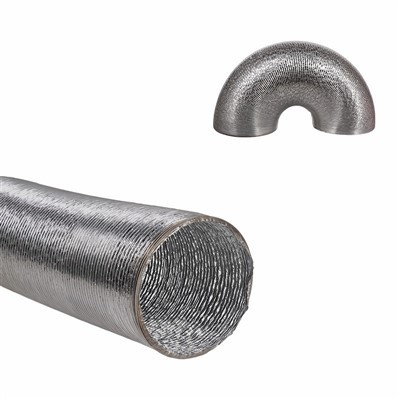
The Basics of Insulated Air Ducts
First off, what exactly is an insulated air duct? Simply put, it’s a duct that has some form of insulation material wrapped around it. This insulation serves a few important purposes. The main one is to reduce heat transfer. In heating and cooling systems, air travels through these ducts to reach different parts of a building. Without insulation, a significant amount of heat can be lost in the winter or gained in the summer. That means your HVAC system has to work harder to maintain the desired temperature, which can lead to higher energy bills.
But how does this relate to indoor air quality? Well, when your HVAC system is running efficiently, it can do a better job of regulating the air in your home or office. An inefficient system might struggle to control humidity levels, which can have a big impact on air quality.
Controlling Humidity
Humidity is a major factor when it comes to indoor air quality. Too much humidity can create a breeding ground for mold and mildew. These fungi love warm, damp environments, and once they start growing in your air ducts, they can quickly spread throughout your building. Inhaled mold spores can cause a range of health problems, from allergic reactions like sneezing and itching to more serious respiratory issues for people with asthma or weakened immune systems.
Insulated air ducts help control humidity by preventing condensation. When warm, moist air comes into contact with a cold surface, like an uninsulated duct in a cold attic or basement, condensation can form. This moisture accumulates inside the duct, creating the perfect conditions for mold growth. Insulation acts as a barrier, keeping the duct surface temperature closer to the temperature of the air inside, reducing the likelihood of condensation.
Preventing Air Leakage
Another way insulated air ducts improve indoor air quality is by reducing air leakage. Over time, the joints and seams in air ducts can develop cracks and gaps. If the ducts aren’t insulated, these leaks can be even more of a problem. Without insulation, the air inside the ducts can be at a very different temperature from the surrounding air. This temperature difference creates pressure differences that can cause air to leak out of the ducts or pull in unconditioned air from the surrounding environment.
Leaking air can carry dust, dirt, and other contaminants into your living or working space. For example, if your air ducts are located in an attic where there’s a lot of dust, unfiltered air can be drawn into the ducts and circulated throughout your building. Insulation helps to minimize these pressure differences, making it less likely for air to leak in or out.
Improving Air Circulation
Proper air circulation is crucial for good indoor air quality. When air can flow freely through your duct system, it ensures that fresh air is constantly being distributed to all parts of your building and that stale air is being removed. Insulated air ducts can contribute to better air circulation in several ways.
First, as I mentioned earlier, they help your HVAC system run more efficiently. This means the system can push air through the ducts with less resistance. When the system doesn’t have to work as hard, it can maintain a more consistent airflow. Second, insulation helps to keep the air at a more uniform temperature throughout the duct system. This prevents the formation of hot or cold spots that can disrupt the normal flow of air.
Reducing Noise Pollution
While it might not seem directly related to air quality, reducing noise pollution can actually have a positive impact on your overall indoor environment. Uninsulated air ducts can be noisy. As air rushes through the ducts, it can create a whistling or rattling sound, especially if there are any loose flaps or damaged sections. This constant noise can be distracting and even stressful over time.
Insulated air ducts absorb much of the sound created by the airflow. By reducing the noise level in your building, you can create a more comfortable and relaxing environment. When you’re in a peaceful environment, you’re more likely to notice and appreciate the improvements in air quality.
Energy Efficiency and Indoor Air Quality
I’ve touched on energy efficiency a few times already, but it’s worth emphasizing how closely it’s linked to indoor air quality. When your HVAC system is energy – efficient, it can operate more consistently and effectively. This means it can better control temperature, humidity, and air circulation, all of which are key factors in indoor air quality.
Insulated air ducts play a huge role in improving energy efficiency. By reducing heat transfer, they help your HVAC system use less energy to maintain the desired temperature. This not only saves you money on your energy bills but also reduces the wear and tear on your system. A well – maintained HVAC system is more likely to operate at peak performance, which in turn leads to better indoor air quality.
Why You Should Choose Our Insulated Air Ducts
As a supplier, I’m confident in the quality of our insulated air ducts. We use high – quality insulation materials that are designed to provide maximum thermal resistance and durability. Our ducts are also carefully manufactured to ensure a tight fit and minimal air leakage.
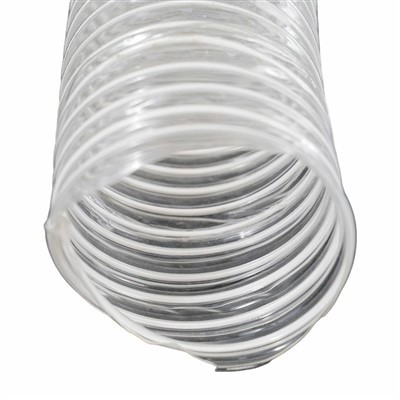
We understand that different buildings have different needs, so we offer a variety of sizes and configurations to suit your specific requirements. Whether you’re a homeowner looking to improve the air quality in your single – family home or a commercial property owner in charge of a large office building, we’ve got you covered.
Let’s Talk About Your Project
PVC Air Duct If you’re interested in learning more about how our insulated air ducts can improve indoor air quality in your building, I’d love to hear from you. Whether you have questions, need a quote, or just want to discuss your options, don’t hesitate to reach out. We’re here to help you create a healthier, more comfortable indoor environment.
References
- "Residential HVAC Systems: Design and Installation" by Roger D. Stouffer
- "Indoor Air Quality Engineering for Buildings" by William C. Turner
- "Energy – Efficient HVAC Systems" by the American Society of Heating, Refrigerating and Air – Conditioning Engineers (ASHRAE)
Dongyang Hstube Co., Ltd.
As one of the leading insulated air duct manufacturers and suppliers in China, we warmly welcome you to wholesale cheap insulated air duct for sale here from our factory. If you have any enquiry about free sample, please feel free to email us. Quality products and reasonable price are available.
Address: NO.5 CHENGDONG ECOLOGICAL INDUSTRIAL ZONE, DONGYANG, ZHEJIANG, CHINA.
E-mail: sales@hstube.com
WebSite: https://www.ductword.com/
