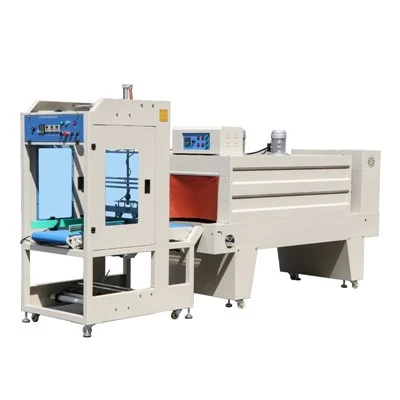
As a trusted supplier of shrink packaging machines, I’ve witnessed firsthand the significance of packaging durability in diverse industries. Shrink packaging machines are invaluable tools across sectors such as food and beverage, pharmaceuticals, consumer goods, and electronics, leveraging heat to shrink plastic film tightly around products, offering protection and an appealing presentation. In this blog, I’ll delve into the essential packaging durability requirements for shrink packaging machines, sharing insights to help your business make well – informed decisions. Shrink Packaging Machines
1. Resistance to Physical Stress
One of the primary requirements for shrink – wrapped packaging is its ability to withstand physical stress during handling, transportation, and storage. This includes factors like impact, vibration, and compression.
When products are being shipped, they can experience various impacts. For example, they may be dropped accidentally during loading and unloading, or collide with other items in the shipping container. A high – quality shrink – wrapped package should have sufficient toughness to prevent tearing or puncturing when subjected to these impacts. The type of plastic film used in shrink packaging greatly influences this property. Films with higher tensile strength, such as polyethylene terephthalate (PET) or polyolefin, are better suited to resist impacts.
Vibration is another significant physical stress factor. During transportation, trucks, trains, or ships can generate continuous vibrations. These vibrations can cause the products inside the packaging to move around, potentially leading to damage. The shrink – wrapped packaging needs to hold the product firmly in place and absorb some of the vibration energy. This can be achieved by using a film that has good elasticity and cling properties. The shrink film should tightly conform to the product’s shape, minimizing the movement of the product within the package.
Compression occurs when products are stacked on top of each other during storage. The lower packages need to support the weight of the upper ones. Shrink – wrapped packages should have enough stiffness and strength to resist deformation under compression. For instance, in a warehouse where pallets of shrink – wrapped products are stacked several layers high, the bottom packages must not collapse or have their contents damaged due to the weight above.
2. Barrier Properties
Barrier properties refer to the packaging’s ability to protect the product from external factors such as moisture, oxygen, light, and dust. These factors can have a detrimental effect on the quality and shelf – life of the product.
Moisture can cause many products to deteriorate. For example, in the food industry, excessive moisture can lead to the growth of mold and bacteria, spoiling the food. In the electronics industry, moisture can cause corrosion of electronic components. Shrink – wrapped packages should have a good moisture barrier. Some films, like oriented polypropylene (OPP) with a special coating, can effectively reduce the transmission of moisture vapor.
Oxygen is another enemy of many products. In the food industry, oxygen can cause oxidation of fats and oils, leading to rancidity and a change in flavor and color. In the pharmaceutical industry, oxygen can react with active ingredients, reducing the efficacy of the drugs. Shrink – wrapped packages need to have a low oxygen transmission rate. Films with a high – density polyethylene (HDPE) layer or those with an aluminum foil laminate can provide good oxygen barrier properties.
Light can also have an impact on product quality. Ultraviolet (UV) light, in particular, can cause fading, discoloration, and degradation of certain products, such as cosmetics and some food items. Shrink – wrapped packages can be made using films with UV – resistant additives or opaque films to block out light.
Dust can contaminate products, especially in industries like pharmaceuticals and electronics. A well – sealed shrink – wrapped package should prevent dust from entering, ensuring the cleanliness and integrity of the product inside.
3. Chemical Resistance
Depending on the nature of the product, the shrink – wrapped packaging may need to be resistant to various chemicals. For example, in the chemical industry itself, products such as cleaning agents, solvents, and pesticides need to be packaged in a way that the packaging does not react with the contents.
Some chemicals can dissolve or degrade certain types of plastic films. Therefore, it is crucial to select a film that is compatible with the specific chemical. For instance, if the product contains strong acids or alkalis, a film made of fluoropolymers may be a suitable choice as they have excellent chemical resistance.
In the food industry, the packaging also needs to be chemically inert with respect to food products. The film should not release harmful substances into the food, and it should not be affected by the natural acids, oils, and other components in the food. Food – grade films are designed to meet these requirements, ensuring the safety and quality of the food.
4. Temperature Resistance
Shrink packaging machines use heat to shrink the plastic film around the product. Therefore, the film must be able to withstand the heat during the shrinking process without melting, deforming, or losing its properties.
Different types of shrink films have different heat – shrinkage temperatures. For example, polyolefin films typically shrink at relatively low temperatures, around 90 – 120°C, making them suitable for heat – sensitive products. On the other hand, PET films require higher temperatures, around 140 – 160°C, for proper shrinkage.
In addition to the heat during the shrinking process, the packaged products may also be exposed to different temperature conditions during storage and transportation. For example, products may be stored in cold warehouses or transported in hot trucks. The shrink – wrapped packaging should be able to maintain its integrity and performance over a wide range of temperatures. Some films are designed to be flexible at low temperatures and not become brittle, while others can resist softening or melting at high temperatures.
5. Seal Integrity
A strong and reliable seal is essential for shrink – wrapped packaging. The seal holds the film together, enclosing the product and providing protection.
The seal strength should be sufficient to withstand the physical stress and environmental factors mentioned above. Weak seals can lead to leakage, allowing moisture, oxygen, and dust to enter the package. The type of sealing method used in the shrink packaging machine also affects the seal integrity. Common sealing methods include heat sealing and impulse sealing. Heat sealing is suitable for most films and provides a strong, continuous seal. Impulse sealing is often used for thinner films and can create a quick and effective seal.
In addition to the seal strength, the seal should also be uniform and free of defects. Any gaps, holes, or unevenness in the seal can compromise the packaging’s durability and product protection.
Why Choose Our Shrink Packaging Machines
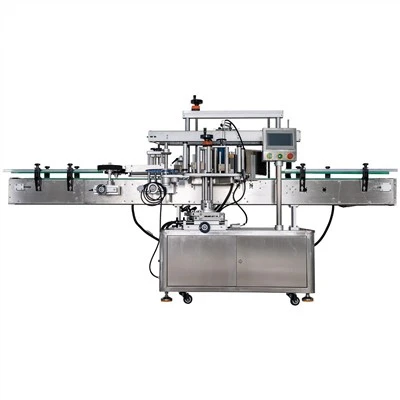
Our company is dedicated to providing high – quality shrink packaging machines that can meet all the above – mentioned packaging durability requirements. Our machines are equipped with advanced technology and precise controls to ensure consistent and high – quality shrink packaging.
We understand that different industries have different needs, and we offer a wide range of shrink packaging machines suitable for various products and packaging materials. Whether you are packaging small consumer goods or large industrial products, we have the right machine for you.
Our technical support team is always ready to assist you in selecting the most appropriate film and setting up the machine to achieve the best packaging results. We also provide after – sales service, including maintenance, troubleshooting, and replacement of parts.
Smart Packaging Systems If you are looking for a reliable shrink packaging machine supplier to meet your packaging durability requirements, we would love to have a conversation with you. Discuss your specific needs, and let’s work together to find the perfect shrink packaging solution for your business.
References
- Packaging Machinery Manufacturers Institute (PMMI). "Shrink Packaging Technology Handbook".
- Terreblanche, J. and De Smedt, J. "Plastic Films for Packaging: Properties, Requirements and Testing".
Langfang Huanqi Machinery Equipment Co., Ltd.
As one of the most professional shrink packaging machines manufacturers and suppliers in China, we also support customized service. Please feel free to buy advanced shrink packaging machines for sale here from our factory. Quality products and reasonable price are available.
Address: No. 40, Row 11, North Side of Central Street, Wangpeizhuang Village, Pingshu Town, Dacheng County, Langfang City, Hebei Province
E-mail: huanqijixie@outlook.com
WebSite: https://www.huanqiwrap.com/
