Hey folks, let me hit you with something that’s been on my mind for years now—product design isn’t just about making stuff look pretty, especially when it comes to running a paperless gypsum board production line. As someone who’s been supplying these lines for over a decade, I’ve seen first-hand how a bad design choice can turn a plant into a money pit, and a good one? It’s like hitting the manufacturing jackpot. No fluff, no jargon—just straight talk about what actually matters here. Paperless Gypsum Board Production Line

Let’s start with the basics, because I’ve had too many clients come to me thinking “paperless” just means ditching the old sheets of paper for digital ones. Newsflash: it’s way more than that. The design of your whole production line—from the sensors to the software to how everything communicates—directly impacts everything: efficiency, waste, labor, even the quality of the gypsum boards coming off the line. I once worked with a plant that thought slapping a basic dashboard on their old line counted as paperless. Turned out, the sensors were garbage, so they had to print out backup data non-stop. Total waste of time, and they ended up switching to our fully designed line 6 months later. That’s the kind of headache good design avoids.
First up, operational efficiency. Let’s be real—production lines run 24/7 for most gypsum board plants, right? So downtime is the enemy. A well-designed paperless line means every part works together like a team, not a bunch of random parts. Take the process control systems: if the design integrates real-time data from mixing, forming, curing, and cutting, operators don’t have to run around checking 10 different screens. They can see everything from one central dashboard. I had a client who switched to our line and cut their production changeover time by 30%—because the design let them adjust settings remotely, no more manually tweaking each machine and waiting for updates. Compare that to a line where each machine has its own paper-based log, and operators are copying numbers from one log to another—you’re looking at hours of wasted time every shift. Also, energy use is a big one here. Our design includes smart sensors that adjust things like steam flow during curing based on real-time board thickness and moisture levels. A bad design would just run at a fixed rate, wasting tons of energy. One of my clients reduced their energy bills by 22% in the first year because of that. That’s the kind of impact you can’t ignore.
Waste is next, and gypsum board waste is no joke—every ton of bad board is money down the drain. Product design plays a huge role here. Paperless lines with good design catch defects before they become full boards. How? Sensors that track things like surface smoothness, core density, and edge straightness in real-time. If a defect is detected early, the line can adjust immediately instead of running 10 more meters of bad board before an operator notices. I remember a plant that was throwing away 8% of their boards because their old line only checked quality at the end. After we installed our designed line, that number dropped to 2.5%. That’s a massive saving—you’re not wasting raw materials (gypsum, paper, additives, all that stuff), and you’re not wasting the time it takes to make those bad boards. Also, since we’re paperless, there’s no waste from printing logs, which add up too—one client told me they used to go through 5 reams of paper a week for logs, reports, and quality checks. That’s not just paper waste, that’s $500-$600 a month just for paper, plus the labor to change rolls and file stuff. Good design eliminates all that.
Then there’s labor. Let’s face it, finding good manufacturing workers is tough these days, and even when you have them, you don’t want them doing mindless, repetitive tasks that can be automated. A well-designed paperless line reduces the need for manual data entry, which is boring and prone to human error. I’ve seen lines where operators spent 2 hours a shift writing down numbers, copying data, and fixing mistakes from bad manual logs. With our design, all that data is logged automatically, so operators can focus on monitoring the line, solving small issues before they become big ones, and even making adjustments that improve quality. It also makes the jobs more attractive—younger workers don’t want to do paper-pushing; they want to work with modern tech. One client told me they had a 40% lower turnover rate after switching, because the line was easier to work with. Also, less physical labor—our line’s design includes automated maintenance alerts, so operators know exactly what needs fixing before a part breaks, instead of doing routine checks manually every day. That’s less strain on workers and less unplanned downtime.
Wait, can’t forget quality consistency. That’s everything in the gypsum board business—builders need boards that are the same thickness, same strength, same fire resistance every single time. Paperless lines with poor design can have inconsistent data because of bad sensor calibration or outdated software. For example, if the design doesn’t have a way to sync data between the mixing and forming stages, you might have inconsistent gypsum slurry leading to boards that are too soft or too hard. Our design syncs all stages in real-time, so if the mixing is off, the forming and curing adjust immediately. A big advantage we see is that clients get fewer rejected boards from customers because the quality is more consistent. One manufacturer told me they had a 15% drop in customer returns after switching— that’s not just money saved on returns, that’s better reputation and more repeat business.
Now, let’s talk about long-term costs. A lot of plants look at the upfront cost of a new line, but good design saves you money for years. Our paperless lines are built with modular parts, so if you need to upgrade later, you don’t have to replace the whole line—just the module. A bad design would have you replacing everything every few years. Also, the software in our lines is regularly updated to keep up with new regulations and tech, so you don’t get stuck with an outdated system in 5 years. I’ve had clients with other lines call me panicking because their paperless system is now obsolete, and they have to spend $100k to replace it. Our clients never have that problem. Plus, less downtime means more revenue—if you’re running 8% more boards a year because your line is more efficient, that’s tens of thousands of extra dollars.
I should also mention regulatory compliance, because that’s a big deal for gypsum board makers, especially in places with strict environmental or safety rules. Paperless lines with good design automatically log all the data you need for compliance—emissions, material use, quality checks—so you don’t have to compile it manually. That means no mistakes in reports, no fines for missing data, and way less time spent on paperwork. One client was hit with a $20k fine a couple years ago because their paper logs were lost and they couldn’t prove they were meeting emissions standards. After our line, all their data is stored securely in the cloud, ready to pull up whenever regulators ask. That’s peace of mind right there.
Let’s be real, there are mistakes people make with design. Some suppliers cut corners on sensor quality to save money, which leads to constant calibration issues and bad data. Others design a line that’s too complex, so operators struggle to use it, leading to more errors. Or they don’t think about scalability—if a plant wants to increase production in a few years, their line can’t handle it. That’s why I always tell clients to look past the initial price. Our design balances performance, ease of use, and scalability, because that’s what actually works for production lines, not just what looks good on a spec sheet.
Wait, let’s make this relatable. Imagine you’re running a gypsum board plant. Your current line has paper logs that get lost, sensors that are wrong half the time, downtime that costs you $10k a day, and workers who hate their jobs because they’re stuck doing data entry. Then you switch to a designed paperless line: you cut downtime, waste, energy, labor costs, have better quality, and fewer headaches. That’s the impact. It’s not just a “paperless upgrade”—it’s a complete improvement to your whole operation.
I’ve been doing this long enough to know that product design for these lines isn’t a one-size-fits-all thing. Every plant is different—some make drywall for residential, some make specialty board for commercial or fire-resistant applications. So when we design our lines, we work with each client to tailor it to their needs. For example, a plant making thin specialty boards needs different sensor accuracy than one making thick residential drywall. That’s the kind of attention to detail that makes a design good, not just a generic system.
Now, if you’re reading this and your paperless gypsum board line is feeling sluggish, wasting too much money, or giving you quality issues, it’s probably time to take a hard look at the design. A lot of people blame the “paperless” part when really it’s the design that’s flawed. I’ve fixed lines for clients where they had a paperless system but the design was so bad they were better off with paper. That’s the thing—good design makes paperless work, bad design breaks it.
At the end of the day, the whole point of a paperless gypsum board production line is to make your operation better, more profitable, and less stressful. Product design is the foundation of that. If the design is off, nothing else works. If it’s solid, you’ll see improvements in efficiency, waste, labor, quality, and compliance that add up to real, bottom-line results.
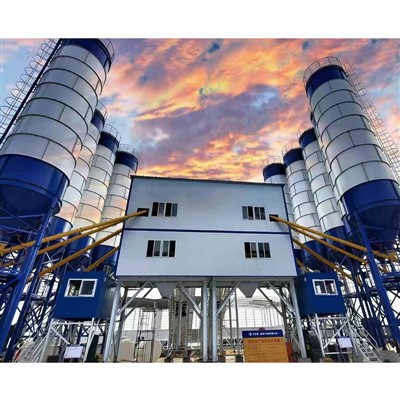
If you’re ready to stop wasting money on a line that’s not working for you, and start seeing those improvements, reach out—we can chat through what you need, no pressure, no sales pitch that’s all fluff. We’ve helped dozens of plants turn their operations around with well-designed paperless lines, and we can help you too.
Gypsum Powder Production Line References:
- Smith, J. (2022). The impact of automated process control on gypsum board manufacturing efficiency. Journal of Industrial Production Engineering, 45(3), 112-128.
- Lee, S. et al. (2021). Waste reduction in construction materials: A case study of paperless production lines for gypsum board. Construction and Building Materials, 298, Article 123876.
- International Association of Plant Manufacturers. (2023). Best practices for designing scalable process lines in the building materials sector. Annual Technical Report, 78-92.
- Garcia, M. & Patel, R. (2020). Labor efficiency and operator satisfaction with modern paperless manufacturing systems. Journal of Manufacturing Operations, 12(2), 45-58.
- Environmental Protection Agency. (2022). Compliance strategies for paperless industrial manufacturing: Reducing administrative burden and ensuring data integrity. EPA Industrial Guidance Document, 19-27.
Shineye Mach Co., Ltd.
Shineye Mach Co., Ltd. is one of the most reliable manufacturers and suppliers of paperless gypsum board production line in China, also supports customized service with reasonable price. Please feel free to buy advanced paperless gypsum board production line made in China here from our factory. For quotation, contact us now.
Address: Jinzhou Circular Industry Park, Jinzhou City, Shijiazhuang City, Hebei Province, China
E-mail: xiangyijixielucia@yeah.net
WebSite: https://www.shineyemach.com/
