If you’ve ever walked a farmers’ market on a sunny Saturday, or paused at a beachside craft fair, you’ve probably seen a display stand holding handmade soaps, coastal artwork, or fresh produce. For years, as a floor display stands supplier, I’ve gotten this exact question from small business owners, event coordinators, and pop-up shop managers: Can floor display stands be used outdoors? The short answer is yes—but it’s not a one-size-fits-all solution. Over the last 12 years in this industry, I’ve watched too many clients invest in a sleek, indoor-focused display, only to have it warp under rain, tip over in a gust, or fade from sun exposure. Today, I’m breaking down the science of outdoor display stands, the unique challenges of outdoor use, and how to pick the right option for your next outdoor event. Floor Display Stands
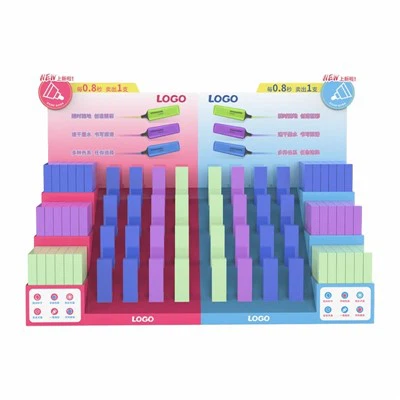
First, let’s start with why indoor floor display stands almost never work outdoors. Indoor stands are designed for controlled environments: they use lightweight materials like thin aluminum, particleboard, or uncoated wood, and they’re built to stay in place against foot traffic inside a mall or store. Outdoor spaces? They’re unpredictable. Let’s talk about UV radiation first—sunlight has two types of UV rays: UVA and UVB, which break down the molecular structure of most plastics, fade paint, and warp wood over time. A standard indoor stand with a matte white powder coat, for example, will start to chip and turn yellow after just 3-4 weeks of full sun exposure. That’s not just a cosmetic issue; it can also weaken the stand’s structural integrity, making it more likely to collapse under the weight of products.
Then there’s moisture. Rain, humidity, dew—all of these are enemies of uncoated indoor materials. Particleboard, which is super common in indoor display shelves, absorbs water like a sponge. I once had a client who used a basic wood floor display for a 2-day outdoor market; by the end of the second day, the bottom shelf swelled so much it couldn’t fit back on the stand, and the edges had started to rot. Even metal indoor stands, which might not rust immediately, can develop surface rust if left exposed to moisture consistently. That rust can flake onto products and leave a mess.
Wind is another big factor. A standard 3-foot tall floor display stand made from thin steel might hold up inside, but outdoors, a 10mph breeze can turn it into a sail. I’ve had a customer in Portland tell me his indoor display blew over during a windy outdoor craft fair, spilling his hand-painted mugs across the parking lot. Indoor stands have narrow base designs because they don’t need to resist wind; outdoor stands need wider, heavier bases (or weighted add-ons) to stay stable.
Now, the good news: outdoor-rated floor display stands are engineered to solve these exact problems, and they work for everything from trade show booths to farmers’ markets. Let’s dive into the key features that make a stand outdoor-friendly, and how they differ from indoor models.
Material selection is the foundation of any outdoor display stand. The top two materials we recommend, based on durability and cost, are marine-grade aluminum and pressure-treated wood. Marine-grade aluminum is non-corrosive, which means it won’t rust even after months of exposure to rain, salt air, or humidity. It’s also lightweight enough to transport to events, but strong enough to hold up to wind and sun. We use a UV-stabilized powder coat for all our aluminum outdoor stands, which blocks 95% of UV rays that would cause fading. That powder coat also has a thicker, more durable finish than what we use on indoor stands, so it resists scratches and chipping from rough handling at events.
Pressure-treated wood, on the other hand, is perfect for businesses that want a more rustic, natural look for outdoor spaces like garden centers, farm stands, or wedding booths. Pressure treatment involves infusing wood with preservatives that prevent rot, insect damage, and moisture absorption—something regular lumber doesn’t have. We seal all our wood outdoor stands with a water-based, UV-resistant sealant, which adds an extra layer of protection against sun and rain. One note here: never use untreated pine or regular oak for outdoor stands. I’ve seen too many businesses save a few dollars on a cheap wood stand, only to have it fall apart after one season.
Next, structural design for outdoor use. Indoor stands often have narrow, square bases for a sleek look, but outdoor stands need wider, more stable bases. The rule of thumb we use is: the base of an outdoor display stand should be at least 1/3 the height of the stand. So if you have a 6-foot tall stand, the base should be at least 2 feet wide. That might seem bulky, but it’s non-negotiable for wind resistance. We also add reinforced joints to all our outdoor stands—where the base meets the posts, and where the shelves attach—because those are the areas most likely to wobble or break if wind hits. Some of our clients use weighted base attachments, like water-filled plastic weights or sandbags, for extra stability in extremely windy areas like coastal towns. These weights are easy to transport and can be emptied and stored when not in use, so they don’t add unnecessary bulk during off-seasons.
Another key design feature is portability. Outdoor events often require setting up and breaking down displays quickly—think farmers’ markets that open at 6am and close at 4pm every weekend. Our outdoor floor display stands are designed to be easy to assemble without tools; most can be put together in 5 minutes by one person. We also offer folding options for stands that need to be stored in a garage or small storage space between events. For example, our folding aluminum floor display stand collapses flat to just 4 inches thick, which makes it easy to transport in a pickup truck or car trunk.
Now, let’s talk about common misconceptions that I hear from new outdoor vendors. One big one is: “If I just cover my indoor stand with a tarp when it rains, it’ll work outdoors.” The problem with tarps is that they trap moisture. If you have an uncoated wood stand and cover it with a tarp during a rainstorm, the wood will absorb moisture from the air under the tarp, leading to mold or rot. Even metal stands can develop rust if they’re covered while wet, because the tarp prevents air from circulating. A better option is to store your display in a covered area when it’s not in use, and if it does get wet, wipe it down with a dry cloth as soon as possible.
Another misconception: “Outdoor display stands are way more expensive than indoor ones.” While high-end commercial outdoor stands can cost more, we offer a range of budget-friendly options that are durable and work for small businesses. For example, our basic marine-grade aluminum outdoor floor display starts at $120, which is just $30 more than our top indoor aluminum stand. That extra $30 buys UV protection, rust resistance, and a stable base that will last 3-5 years, compared to 1-2 years for an indoor stand used outdoors. For seasonal vendors, that’s a no-brainer.
We’ve also tested our outdoor stands in some of the toughest conditions, to make sure they stand up to real-world use. Last year, we sent 20 of our aluminum outdoor stands to a series of events in Florida, where they were exposed to 100-degree heat, daily rainstorms, and salt air from nearby beaches. After 6 months, we checked in with the vendors, and 19 of the stands looked brand new—only one had a small scratch from being moved, and the powder coat still looked as vibrant as the day they arrived. We also tested our wood stands in the Pacific Northwest, where it rains 80% of the year, and after a year of use, the wood had no rot or warping. That’s the kind of durability we focus on as a supplier—we don’t just sell a product that works for a month; we sell a product that works for years.
So, when should you use an outdoor floor display stand, and when might you want a different option? If you’re setting up a temporary outdoor event—like a craft fair, farmers’ market, or pop-up shop for a few days—a good outdoor stand is perfect. If you’re setting up a permanent outdoor display, like a storefront display for a garden center or a booth at a permanent outdoor mall, our heavy-duty outdoor stands are designed to last. If you’re only using a stand indoors, obviously stick with an indoor model. But if you’re planning to use it outdoors, even occasionally, investing in an outdoor-rated stand will save you money and hassle in the long run.
I’ve been in this industry long enough to know that a great display stand is more than just a way to hold products—it’s a way to make your brand look professional, even in a chaotic outdoor environment. A wobbly, faded stand can make customers question the quality of your products, while a sturdy, well-designed stand draws attention and makes your products look more valuable. That’s why we prioritize both function and aesthetic in our outdoor stands—we don’t make you choose between a stand that works outdoors and a stand that looks good.
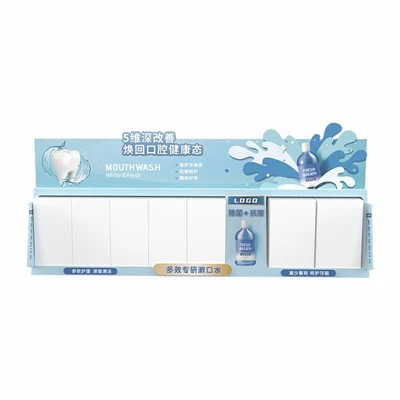
If you’re still unsure what kind of stand is right for your outdoor needs, I encourage you to reach out. Whether you’re a first-time outdoor vendor who needs help picking a budget option, or a business owner who needs a custom stand for a permanent outdoor display, we’re here to help. We work with vendors of all sizes, from single-person craft sellers to large retail brands, to find a display solution that fits your needs and budget.
Freestanding Display Stand References:
- American Wood Protection Association. (2021). Standards for pressure-treated wood for outdoor use.
- Aluminum Association. (2022). Outdoor structural aluminum durability guidelines.
- International Trade Show Industry Association. (2020). Best practices for outdoor event display design and stability.
- U.S. Environmental Protection Agency. (2019). UV radiation effects on polymer and wood materials.
- National Retail Federation. (2021). Small business outdoor retail display trends and durability recommendations.
Guangzhou Guangjie Display Products Manufacturing Co., Ltd.
We’re well-known as one of the leading floor display stands manufacturers in China, also support customized service. Welcome to buy bulk high quality floor display stands at competitive price from our factory. If you have any enquiry about pricelist and quotation, please feel free to email us.
Address: No. 16-1 Lilv Road, Dashi Street, Panyu District, Guangzhou City, Guangdong Province
E-mail: guangjie_dp888@163.com
WebSite: https://www.gjdisplaystand.com/
