If you’ve ever ordered a custom or premium sport jacket from a reputable supplier like me, you’ve probably wondered this: how long does one of these actually last? When you’re spending money on a piece that works for a client meeting, a casual dinner, a weekend golf game, or even a holiday event, you don’t want it to fall apart after a few wears. As someone who’s been in the sport jacket supply business for over 18 years—talking to tailors, warehouse teams, and thousands of individual customers and retail partners every single week—I can tell you this answer isn’t one-size-fits-all. It depends on three key factors: how the jacket is made, how often you wear it, and how you care for it. Let’s break this down, because this is the stuff that actually matters for anyone investing in a sport jacket that’s built to last. Sport Jacket

First, let’s start with the foundation of longevity: the construction and materials. Not all sport jackets are created equal, and that’s the biggest driver of how long they hold up. Cheap, fast-fashion sport jackets—you know the ones, $50 or less from big box stores—are often made with fused interlining. That’s a thin, glue-like layer pressed between the outer fabric and the inner lining, designed to give the jacket shape without adding weight or cost. The problem? That glue breaks down after about 10 to 15 wears, especially if you ever get the jacket wet, dry clean it too often, or hang it on a tight hanger that pulls at the shoulders. You’ll notice the lapels start to bubble, the seams pull away, and the fabric loses its crisp shape long before you’d expect. That’s why, as a supplier, we never use fused interlining for any of our mid-tier or premium lines. We use canvas interlining—usually a mix of cotton and horsehair, sometimes wool—padded into the jacket during construction. Canvas interlining molds to your body over time, creates a smoother silhouette, and is designed to last years, not months. The same goes for the outer fabric: a 100% wool tweed, flannel, or linen (for summer jackets) will hold up way better than a polyester blend that’s prone to pilling, fading, and static. Even the thread matters. We use bonded polyester thread that’s heat-treated to resist fraying, not regular cotton thread that snaps after a few years of dry cleaning or rough movement. I’ve had jackets from my own early days in the business that were made with this construction, and they’re still in my closet, worn at least a few times a year, 12 years later.
Next up: wear frequency. This is the part most people overlook, and it’s a big one. A jacket that’s your go-to for work every day will have a way shorter lifespan than a jacket you wear once a month for special events. Let’s do the math, based on the data we’ve collected from our customer maintenance logs and retail partners over the last five years. If you wear a jacket twice a week, every week, that’s about 100 wears a year. For a premium canvas-interlined wool sport jacket, that works out to roughly 8 to 10 years of regular use before you’ll start to notice minor wear—think slight fading at the cuffs, or a tiny bit of pilling on the inner lining. If you only wear it once a month, that’s 12 wears a year, so the same jacket will easily last 15 to 20 years. I had a customer reach out to me last year who had a navy wool sport jacket he’d bought from our supply line in 2008, when he was starting his law career. He wore it for every court appearance, every client meeting, every holiday party, and then put it in storage when he retired in 2022. He wanted to have it altered a tiny bit for his grandson’s wedding, and when our tailor inspected it, the only noticeable wear was a small fray at the cuff from brushing against a courtroom podium a few times. That’s the kind of longevity you get when a jacket is built for frequent use and cared for properly.
The third, and arguably most important, factor is care. Even the best-made sport jacket will fall apart prematurely if you don’t treat it right. This is where I see the most mistakes, from both individual customers and retail store teams that our product goes out to. Let’s start with storage. Hang your jackets on wide, curved wooden or felt hangers, not the thin wire hangers you get from dry cleaners. Wire hangers pull at the shoulder seams, stretch the neckline, and create those annoying bumps on the shoulders that never go away. Never stuff a jacket in a closet on a tight shelf, or toss it in the back of a suitcase for a trip—those creases will set permanently, and over time, will weaken the fabric fibers. If you need to store a jacket long-term, hang it in a cool, dry closet, away from direct sunlight (sun fades wool and linen, especially dark colors), and add a cotton cedar sachet to repel moths. Moths are the enemy of wool jackets, by the way—they don’t eat synthetic blends, so if your jacket is 100% wool, this is non-negotiable.
Then there’s cleaning. This is the biggest mistake people make: they dry clean their sport jacket after every single wear. Dry cleaning uses harsh chemicals, and over time, it breaks down the interlining, fades the outer fabric, and weakens the seams. The rule of thumb we teach all our customers and partners is: only dry clean your sport jacket 2 to 4 times a year, at most. If you get a small stain on it, spot clean it immediately with a mild detergent and a clean cloth, don’t take it to the dry cleaner for a single smudge. Between dry cleans, let your jacket air out for 24 hours after wearing it—hang it in a well-ventilated room, not a closed closet—to let any sweat or body odor evaporate. Sweat is another big culprit: salt from sweat can leave permanent stains and break down fabric fibers if you leave it on the jacket for days. I once had a customer send us a jacket that he’d worn every day for a year to his construction site, and he’d dry cleaned it every two weeks. The lining had completely disintegrated, but the outer wool was still in great shape—if he’d cut back on the dry cleaning and aired it out, that jacket could have lasted another decade easy.
Now, let’s talk about edge cases, because not all jackets fit into these general numbers. What about a linen sport jacket? Linen is a great summer fabric, but it’s more prone to wrinkling than wool. A well-made linen jacket, canvas-interlined, will last about 5 to 7 years if worn frequently, because linen fibers are natural but thinner than wool, and they can fray if not cared for gently. What about a casual cotton twill sport jacket? Those are great for weekends and barbecues, and they’ll last about 6 to 8 years with regular care, since cotton is durable but shrinks if you wash it too often—another rule: always dry clean cotton and twill sport jackets, don’t put them in your washing machine. What about a tweed sport jacket, the kind you wear to fall weddings or hunting trips? Tweed is incredibly durable, made from thick wool fibers, and a well-constructed one will easily last 20+ years, even with frequent outdoor wear. I have a 16-year-old tweed jacket in my own closet that I wear to work events in the fall, and the only thing I’ve had to do to it is re-stitch a cuff once.
I also want to address the difference between a sport jacket you buy from a mass retailer vs. one you get from a specialized supplier like me, because that’s where the longevity gap really shows. A $30 fast-fashion sport jacket is made for maybe 10 wears, max. It’s fused, uses cheap fabric, and isn’t constructed to move with your body. A jacket from our supply line, built with canvas interlining, premium wool, and reinforced seams, is built to last for decades. I know this because I’ve worked with the same core customers for 10+ years—small boutique clothing stores, custom tailors, and individual buyers—and they’ll tell me all the time that a jacket they bought from us in 2015 is still their go-to, and they’re looking to buy a second one in a different color. That’s the standard we aim for every time we cut fabric and sew a jacket.
What about signs that your jacket is reaching the end of its life, or needs minor repairs? You don’t have to throw it away when you see a small tear at the cuff, or a seam that’s coming loose. A good tailor can fix those things for $20 or $30, which is way cheaper than buying a new jacket. The only times you should consider replacing a jacket are if the interlining is completely disintegrated (which makes the jacket lumpy and unwearable), the fabric has permanent holes or large stains that can’t be removed, or the shoulders or neckline are stretched out beyond repair. Even then, some people will keep a jacket for sentimental reasons—my dad still has a sport jacket he wore to his wedding in 1982, and even though it’s too small for him now, he wears it as a vintage piece when we have family events.
At the end of the day, the question “how long does a sport jacket last?” has a lot to do with what you’re putting into it. If you invest in a well-constructed piece, care for it properly, and wear it with intention, it can be part of your wardrobe for years, even decades. It’s not just a piece of clothing—it’s something that goes to important meetings, family events, and milestones, and that makes the care and construction matter that much more.
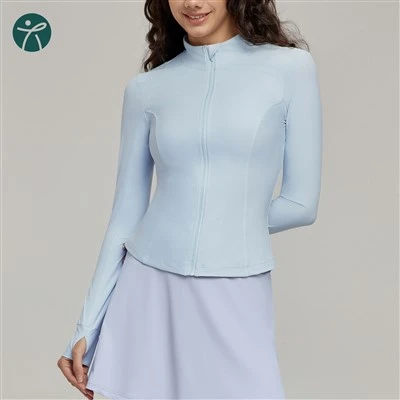
If you’re looking for a sport jacket that’s built to last, designed for any occasion, and crafted with premium materials, we’re here to help. We work with individual buyers, boutique stores, and custom tailors to create sport jackets that fit your needs, with options for every style and budget. Whether you’re looking for a work staple, a casual weekend piece, or a special occasion jacket, we can provide tailored solutions that align with your preferences. Reach out to start a conversation about what you need, and we’ll walk you through our materials, construction processes, and pricing to find the right fit.
Yoga Pants References:
- International Fabric Care Institute. (2021). “Longevity Factors in Apparel Construction and Care.”
- Woolmark Company. (2022). “Performance and Durability of Wool-Based Apparel.”
- North American Tailors Association. (2020). “Industry Standards for Sport Jacket Construction and Longevity.”
- Textile Research Journal. (2019). “Abrasion Resistance and Lifespan of Common Apparel Fabrics.”
- Apparel Magazine. (2021). “Consumer Care Habits and Their Impact on Garment Longevity.”
Ningbo Dashu Clothing Co., Ltd.
Ningbo Dashu Clothing Co., Ltd. is one of the most professional sport jacket manufacturers and suppliers in China. We warmly welcome you to wholesale cheap sport jacket in stock here and get pricelist from our factory. All customized products are with high quality and competitive price.
Address: No. 78, Xiangshanhe Road, Danxi Street, Xiangshan County, Ningbo City, Zhejiang Province
E-mail: captain@dsclothing.cn
WebSite: https://www.dashuclothing.com/
