If you’ve ever stood in a stationery aisle, running your fingers over the smooth pages of a notebook, a colorful poster, or the heavy stock of a greeting card, you’ve interacted with cultural paper. It’s not just a “type of paper” — it’s the stuff that makes reading feel tangible, art feel shareable, and small moments (like writing a birthday note) feel intentional. As a cultural paper supplier, I get asked this question all the time: “Where is this stuff actually made?” It’s not as simple as pointing to one country, and it’s way more tied to global supply chains, sustainability rules, and plain old demand than most people realize. Let me break this down like I would with a regular customer over a coffee — no stuffy jargon, just the real deal. Cultural Paper
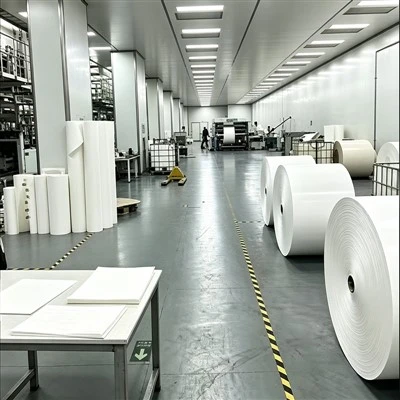
First off, let’s set the basics: cultural paper (sometimes called “graphic paper” for you industry folks) covers everything used for printed media, stationery, art supplies, and packaging that’s meant to feel tactile. That includes wood-free uncoated paper (for books, textbooks, notebooks), coated paper (for magazines, catalogs, posters), and even specialty stuff like cardstock or drawing paper. Unlike packaging paper that’s all about strength, cultural paper prioritizes smoothness, print quality, and sometimes sustainability — which is huge right now, more than ever.
So who’s making most of it? If I had to pick three top players, they’d be China, Europe, and North America. But don’t let that sound like a list — each of these regions has a totally different reason for dominating, and none of it’s just random.
Starting with China. Yeah, China’s the big kid on the block, no beating around the bush. They crank out almost 25% of the world’s total cultural paper, and that’s been true for over a decade now. Why? Two main things: low-cost raw materials and a massive domestic demand. For raw materials, China’s got a lot of fast-growing plantations — like eucalyptus and pine — that they turn into pulp cheaply. Plus, they’ve got a huge, well-oiled manufacturing network that can turn that pulp into finished paper faster and cheaper than most places. Then there’s demand: China’s population of 1.4 billion people means a huge market for textbooks, magazines, and stationery. Even though China’s been pushing to cut carbon emissions lately, their factories are still built for mass production, which keeps them competitive in global exports. That said, they’re not just churning out basic stuff — some of their top mills make premium coated paper too, which they sell to companies all over Asia, Europe, and even the US.
Next, Europe. This region’s a different story — they’re not about mass volume, they’re about quality and sustainability. Europe makes around 18% of the world’s cultural paper, but don’t let the number fool you: their output is high-end, not low-cost. Most European mills use a ton of recycled fiber (some of them hit 70% or more!) and strict environmental rules that mean their paper is way greener than a lot of other places. Countries like Germany, Finland, and Sweden are the heavy hitters here. Finland, for example, is basically built on forests — almost 75% of the country is woodland, so they’ve got access to super high-quality softwood pulp that’s perfect for smooth, durable coated paper used in luxury magazines and art books. Germany’s mills are known for precision, too — they make a lot of the specialty paper used for photography or high-end stationery that artists love. Europe doesn’t export as much as China, but their paper commands a higher price tag because of those eco credentials and better print results. A lot of big name book publishers actually prefer European cultural paper for their new releases, because it feels more premium and aligns with their brand’s sustainability goals.
Then North America — specifically the US and Canada. This region makes roughly 15% of global cultural paper, and again, it’s a mix of volume and quality. Canada’s got massive boreal forests, so their pulp is top-tier too — they’re a big exporter of wood-free uncoated paper, which is super common for notebooks and textbooks. The US has a mix: some big mills in the Southeast (which has its own fast-growing pine plantations) making mid-range paper, and mills in the Pacific Northwest churning out high-end stuff. North America’s strength is less about low costs and more about proximity to their own markets. A lot of US publishers don’t want to wait for paper to ship from China or Europe, so they source locally. That’s why you’ll see a lot of American-made notebooks or textbooks labeled “printed in the USA” these days. Also, both Canada and the US have pretty solid forest management rules, so their paper has a good reputation for being responsible.
But wait — there are other players that you might not hear as much about, but they matter. Japan, for example, makes some of the best specialty cultural paper around — think rice paper for calligraphy, or the delicate, textured paper used for watercolor paintings. It’s small volume, but it’s a must-have for artists worldwide. South Korea’s another one — their mills focus a lot on digital printing paper, which is super popular now since more magazines and catalogs are moving to print-on-demand. And even places like Brazil have been ramping up their cultural paper production, mostly because they have cheap access to pulp from their own eucalyptus plantations, and they’re starting to export more to Latin America and beyond.
Now, why does where it’s made matter for you? If you’re a teacher stocking notebooks for your class, you might care about price — so Chinese-made mid-range paper’s probably your go-to. If you’re an art gallery printing a limited-edition catalog, you’ll want European or Japanese specialty paper, because it holds color way better and feels more luxurious. If you’re a publisher in the US, working with a North American supplier cuts down on shipping time and carbon footprint, which is a big deal these days.
As someone who’s been in the cultural paper game for years, I’ve seen supply chains shift a lot. A few years back, a lot of brands were all about the cheapest option, which was China. Now? More and more companies are asking about sustainability, so they’re willing to pay a little more for paper from Europe or North America that uses recycled fibers. That’s why a lot of mills are investing in new tech to make their paper even greener — like using solar power in factories, or switching to 100% recycled pulp. I’ve worked with mills in both China and Finland, and the difference is night and day when it comes to how they handle waste and emissions. But the good news is, no matter where it’s made, there’s a cultural paper option that fits whatever you need.
If you’re here because you’re looking to stock up on cultural paper for your business, a school, or even a personal project, hit me up. I’ve got connections to mills all over the world, so I can help you find the right type — whether that’s cheap mid-range for bulk orders, premium recycled paper for eco-conscious brands, or specialty art paper that’ll make your projects pop. No weird hoops, no hidden fees, just straight-up advice on what works for you.
Coated Paper References:
- Food and Agriculture Organization of the United Nations. (2023). Global Forest Products Outlook.
- Paper for Europe. (2024). European Cultural Paper Industry Sustainability Report.
- American Forest & Paper Association. (2023). North American Graphic Paper Production Data.
- Japan Paper Association. (2024). Specialty Cultural Paper Market Overview.
Zhejiang Xinzhongxin Paper Industry Shares Co., Ltd.
With abundant experience, we are one of the most professional cultural paper manufacturers and suppliers in China. Please rest assured to buy bulk premium cultural paper for sale here from our factory. If you have any enquiry about cooperation, please feel free to email us.
Address: NO.391-2, CHANGHE ROAD, CHANGAN, HAINING, ZHEJIANG
E-mail: info@xzxpaper.com
WebSite: https://www.zhongxinluhuan.com/
