Hey everyone, it’s [Your Name] here from the PP woven bag supply team—today we’re talking about a question I get all the time from clients, even friends who run small farms or shipping businesses: Can PP woven bags actually be recycled? Let’s cut through the confusion because this isn’t a yes/no answer, it’s way more nuanced than that—and honestly, it’s something I’ve dug into deep since we started refining our bags’ recyclability a couple of years back. PP Woven Bag

First, let’s keep it simple: PP stands for polypropylene, right? That’s the plastic we use for pretty much all our bulk bags, fertilizer bags, seed sacks, even some construction material wraps. It’s super durable, which is why it’s so popular, but durability also makes people wonder if it just ends up in landfills forever. I used to think the same thing when I first got into this industry 10 years ago—until I met a local recycling coordinator at a trade show who schooled me on PP’s recyclability.
Here’s the thing: PP is actually one of the easier plastics to recycle. It’s #5 plastic, for anyone who’s familiar with the resin identification code you see on containers. A lot of people mix it up with PE (polyethylene), which is #2 or #4, but PP doesn’t have that same soft, waxy finish when it’s melted down. Wait, let’s break down how the recycling process works for our bags specifically. When a bag is done with its use—say, a farmer’s used a fertilizer bag to store next season’s seeds, or a factory’s emptied a bulk sand sack—it goes through a few steps at a recycling facility. First, it’s sorted (we make sure to print clear labels on our bags that say “PP #5” to make sorting way easier, no guesswork), then cleaned to get rid of any leftover product, dyes, or straps, then ground into tiny flakes. Those flakes get melted and reprocessed into things like new plastic lumber, park benches, even new PP woven bags (crazy, right? We’ve actually partnered with a recycler to test this, and it works!).
But why do some people say PP woven bags aren’t recyclable? Let’s be real—there’s a lot of misinformation out there. A few years back, a client told me their local recycling center wouldn’t take our bags, but when I checked, that center only accepted rigid plastics like milk jugs, not flexible ones like woven PP. That’s not a PP problem, that’s a center’s sorting limitation. Flexible plastics are trickier for some facilities to handle because they can get tangled in recycling equipment—we’ve actually started adding a small, tear-off strip to our bags that makes them easier to process, and that’s helped a ton with local centers that now take them.
Another big factor: contamination. If a PP bag is full of leftover product that can’t be easily washed out, like sticky chemicals or moldy food, it’s way harder to recycle. That’s why we always remind our clients—if you’re reusing our bags, make sure they’re emptied completely before dropping them off for recycling. We even sell small “recycling info cards” to our regular clients, for their staff to keep track of that, no extra cost. I’ve seen clients take that extra step, and now their local centers will pick up their used PP bags alongside their other recyclables.
Wait, let’s talk about our own experience as a supplier. We didn’t just stop at making recyclable bags—we’ve worked with a local recycling group to set up a take-back program for our bags. Clients can send back their used ones (even ones that are torn, we don’t care) and we pass them to the recycler we partner with. In 2023, we took back over 12,000 pounds of PP woven bags through this program—and a chunk of those got turned into new packaging for our clients’ products. It’s a closed-loop system, basically, and it’s way better than letting those bags sit in a landfill.
But here’s the catch: PP is recyclable, but it’s not infinitely recyclable like, say, aluminum. It can only be melted down and reprocessed a few times before the fibers break down too much to be used for the same thick woven material. But that’s where innovation comes in—we’re currently testing a new type of PP resin that’s more flexible, so even after a couple of reprocesses, it can still hold up for bulk use. We’re not there yet, but it’s a big project for our team right now, so I’ll keep you posted.
Now, let’s address some common myths I hear all the time. Myth 1: All woven plastic bags are the same. Nope—PP vs. PE is a huge difference. PE bags (like grocery store bags) break down faster and are harder to recycle into durable items, but PP is different. Myth 2: You can’t recycle colored PP bags. Again, not true—recyclers can sort colored flakes (we use non-toxic dyes that don’t mess with the melt process, so that’s even better for the final product). The key is just sorting them correctly, which our labels make super simple. Myth 3: It’s too expensive to recycle PP bags. For small clients, yeah, it might seem like a hassle, but that’s why we’re trying to make it easy—free take-back for bulk orders, clear instructions, even partnerships with local recycling centers that will pick up for free if you have a steady stream of bags.
Let’s circle back to why this matters so much to us as a supplier. We don’t just sell bags—we sell a product that’s meant to work for our clients, but also work for the planet. When I started this business, I cared about durability because my clients needed strong bags to ship their products. Now, I care about recyclability because my clients care about their own sustainability goals. I’ve had small farm owners tell me they’re trying to get “zero-waste” certified, and our easy-to-recycle bags are a big part of that. A construction company I work with switched to our PP bags instead of paper because paper breaks down faster, but now they can recycle their used bags too—win-win.
So, to answer the original question: Yes, PP woven bags absolutely can be recycled—if you do it right. It’s not a one-size-fits-all, but with the right labeling, sorting, and a little effort from both suppliers and clients, it’s totally doable. I’ve seen it work, first-hand, and we’re still improving to make it even easier.
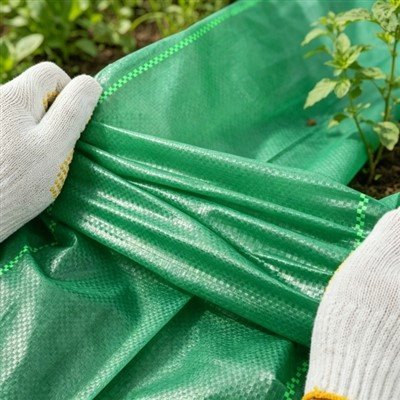
If you’re a client who’s been thinking about switching to more sustainable packaging, or you have questions about recycling your current PP bags, hit us up. We can walk you through the take-back program, help you figure out how to sort them at your facility, or even share the test data we have on our recyclable bags. No pressure, just real talk—this is something we’re passionate about, and we want to help you make your operations more sustainable too.
Colorful PP Woven Bags References:
- U.S. Environmental Protection Agency. (2022). Plastics: Material-Specific Data. Retrieved from EPA’s waste reduction program resources.
- The Plastic Industry Association. (2021). Polypropylene Recycling: Trends and Best Practices. Retrieved from industry sustainability reports.
- Local Recycling Coalition of North America. (2023). Flexible Plastic Sorting Guidelines for Small Businesses. Retrieved from regional recycling program publications.
Linyi Dongyi Import&Export Co., Ltd.
As one of the most professional pp woven bag manufacturers and suppliers in China, we offer a wide range of products with superior quality. We warmly welcome you to wholesale bulk customized pp woven bag from our factory. If you have any enquiry about quotation, please feel free to email us.
Address: 4 F, Zone A, Zhangjia Zhuxu Village, Lanshan District, Linyi City.
E-mail: donglai01972@gmail.com
WebSite: https://www.donglaipack.com/
