If you’ve ever reached for a hand-painted ceramic mug to start your morning coffee, set a platter of homegrown tomatoes on a hand-thrown serving dish for dinner, or displayed a set of speckled bowls on your kitchen shelf, you’ve probably asked yourself one quiet question: Are these decorative ceramic items safe for everyday use? As a supplier of household ceramics, I get this question all the time—usually from customers who love our pieces for their warmth, texture, and unique handcrafted charm, but worry that the artful glazes or intricate paint jobs might hide something risky. It’s a valid concern, and over the 12 years I’ve been working with kilns, clays, and glaze formulas, I’ve learned that this isn’t a “yes or no” answer. It’s a question rooted in how ceramics are made, tested, and used—and I want to break it down honestly, from the kiln to your dinner table. Household Ceramics
Let’s start with the basics: what makes a ceramic piece safe for everyday use? At its core, ceramic is made by shaping clay, firing it at high temperatures to make it hard and non-porous, then adding a glaze to give it color, shine, and a protective layer. Glazes are the part that most people worry about, because they’re made from a mix of minerals—including things like lead, cadmium, and other metal compounds—that give ceramics their vivid hues. The problem isn’t that these metals are inherently bad, but that if a glaze isn’t properly formulated or fired, those metals can leach into food or drink over time, especially if the piece is exposed to heat, acid (like tomato sauce or citrus juice), or constant use. A chipped glaze can also create tiny gaps where these metals can seep out, or even trap bacteria that’s hard to clean.
But here’s the thing: not all glazes are created equal. When my team and I source materials and test new glaze formulas, we follow strict guidelines from both the FDA and the European Food Safety Authority (EFSA) — two bodies that set global standards for food-contact materials. For example, the FDA’s Federal Food, Drug, and Cosmetic Act limits lead leaching from ceramic ware to less than 0.5 parts per million (ppm) and cadmium to less than 0.5 ppm for most everyday items, like mugs, plates, and serving bowls. These limits aren’t arbitrary: they’re set after decades of research showing that exposure to small amounts of these metals over time can lead to health issues, especially for children, pregnant people, and those with compromised immune systems.
One of the most common mistakes I see in low-quality ceramics is underfiring. Firing a ceramic piece means heating it in a kiln to temperatures between 1,800 and 2,400 degrees Fahrenheit, depending on the type of clay and glaze. Underfiring (meaning the kiln doesn’t reach the right temperature or the piece doesn’t stay in long enough) leaves the glaze soft and porous, so those metal compounds in the glaze don’t fully fuse to the clay. That’s when leaching becomes a problem. I’ve visited small workshop studios where a potter might cut corners on firing time to save energy, and their mugs would fail the FDA’s leach test—they’re beautiful, but not safe to use for daily coffee. At our facility, every single piece undergoes a two-step firing process: first a bisque fire to harden the clay, then a glaze fire at 2,200 degrees Fahrenheit. That high heat melts the glaze into a glass-like layer that’s non-porous and stable, so it won’t leach even with years of use.
Another factor is decorative painting. Some manufacturers use lead-based pigments for bright reds, oranges, or yellows because they’re vibrant and cheap. For decorative pieces that only go on a shelf, that’s fine—they’ll never touch food or drink. But if a piece is labeled as “food-safe,” those pigments need to be sealed with a clear, food-safe glaze that’s fired on top. I’ve had customers come to me with vintage ceramic platters they inherited, with hand-painted flowers on the rim that they want to use for serving. Vintage pieces are a special case, and I always tell them to test them first. There are simple home test kits you can buy at hardware stores that check for lead leaching: you swab the surface, and if the swab turns red, that piece has high lead levels and shouldn’t be used for food. I’ve seen beautiful 1970s ceramic canisters that pass the test when only the lids are painted, but the bodies (which touch food) are plain and untested—if the paint is on the part that comes into contact with food or your hands, that’s a red flag, no matter how old the piece is.
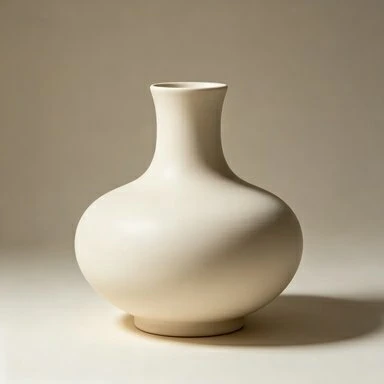
Now, let’s talk about what happens when you use a “decorative” ceramic item for everyday use. That’s where the line gets blurry. For example, we make a line of decorative ceramic vases with hand-painted gold details. We explicitly label them for display only—never for holding water, never for serving food. Why? Because gold glazes, while non-toxic for display, can leach small amounts of gold particles when exposed to liquid over time, and the FDA’s guidelines for food-contact materials don’t allow gold leaching above a certain level. But I’ve had customers email me saying, “I love this vase, can I use it as a flower vase and also a mug for tea?” My answer is always no—decorative vases aren’t made to withstand constant liquid contact, and their glazes might not meet food safety standards. The same goes for small decorative dishes, like trinket bowls: if they’re labeled for display only, don’t put fruit in them or use them to hold nuts at a party. That’s not just us being strict—that’s following the science.
I also want to address a common myth: that handmade ceramics are automatically safer than mass-produced ones. That’s not true. I’ve seen mass-produced mugs from big-box stores that pass every FDA test, and handmade mugs from a small Etsy shop that fail. It all comes down to quality control. At our facility, every batch of glazes is tested before it’s used on a production run, and every 100 pieces, we pull one random item to test for leaching. We send those samples to a third-party lab to make sure our results are accurate, and we keep those lab reports on file for every customer who asks for them. We don’t cut corners on testing because we’ve built our business on trust—if a customer buys a mug from us, they shouldn’t have to worry about whether their morning coffee is safe.
On the flip side, I’ve had customers who avoided decorative ceramics entirely because of safety concerns, and that’s a shame. Ceramic is one of the oldest, most sustainable materials we have—clay is abundant, firing it uses less energy than making plastic, glass, or even some metals, and high-quality ceramic pieces can last for generations. A well-made, food-safe ceramic plate can go from your grandmother’s kitchen to your child’s, and it will still be safe. The key is knowing how to tell the difference between a decorative piece that’s meant only for display, and a decorative piece that’s been tested and approved for everyday use.
Here are a few simple tips I give customers when they’re shopping for household ceramics, to make sure they’re safe for daily use. First, look for a label that says “Food-Safe” or “Meets FDA/EU Food Safety Standards.” If a piece doesn’t have that label, ask the seller—if they can’t show you test results, it’s probably not meant for food. Second, avoid pieces with chipped or cracked glaze. Even if the piece was food-safe when it was made, a chip can expose the porous clay underneath, which can trap bacteria, and the glaze around the chip might not be stable anymore. Third, don’t use decorative pieces for everyday tasks they’re not designed for. That fancy hand-painted platter is for dinner parties, not storing leftover pizza in the fridge. And fourth, if you have vintage ceramics at home, get them tested before using them for food. There are affordable test kits, and it’s better to be safe than sorry.
I also want to touch on a recent trend I’ve seen: people using vintage ceramic tiles as coasters or trivets. That’s a great way to upcycle, but again, vintage tiles might have lead or cadmium glazes that don’t meet modern safety standards. If you’re cutting tiles to use as coasters, make sure you seal the back and the edges with a food-safe sealant, and never let the tile’s glaze come into direct contact with hot drinks or acidic foods. I’ve had a few customers come to us after using vintage tiles as coasters and worrying about lead in their coffee, and we always tell them that testing is the only way to be sure.
At the end of the day, decorative ceramic items are safe for everyday use—as long as they’re made properly, tested, and used as intended. For our team, that means working with glaze formulas that are free of harmful metals, firing every piece to the right temperature, and being transparent about what each piece is designed to do. I know when a customer buys a ceramic piece from us, they’re not just buying a functional item—they’re buying a piece of art that will be part of their daily routine, that will hold their morning coffee, their child’s mac and cheese, their family’s Sunday dinner. That’s a responsibility I don’t take lightly.
If you’re looking for household ceramics that are safe, high-quality, and designed for everyday use, we’re here to help. We work with small cafes, restaurant chains, interior designers, and home goods retailers, offering custom and bulk ceramic items that meet all international food safety standards. Whether you’re launching a new line of kitchenware or outfitting a restaurant with durable, beautiful plates, we can work with you to create pieces that are both functional and decorative, without compromising on safety.

When it comes to something that touches your food and drink, there’s no such thing as being too careful. That’s why we’ve built our entire business around transparency and quality, so you can trust that every piece we make is safe to use, every single day. If you have questions about our products, want to learn more about our testing process, or are interested in placing a bulk order, we’d love to connect with you.
Household Kiln References:
- U.S. Food and Drug Administration. (2023). Food Contact Materials: Ceramics. Retrieved from FDA.gov
- European Food Safety Authority. (2021). Scientific Opinion on Cadmium and Lead in Food. EFSA Journal, 19(10), 6827.
- American Ceramic Society. (2020). The Science of Glaze Firing for Food-Contact Ceramics. Journal of the American Ceramic Society, 103(5), 2891-2905.
- World Health Organization. (2019). Lead Exposure and Health Risks. WHO Press.
- National Ceramic Manufacturers Association. (2022). Best Practices for Food-Safe Household Ceramics. NCMA Technical Bulletin.
Suixian Yaxin Porcelain Art Business Department (Individual Business)
With abundant experience, we are one of the most professional household ceramics manufacturers in China. Please feel free to buy top-quality household ceramics at competitive price from our factory. Welcome to contact us for pricelist and free sample.
Address: Yaxin Ciyu Ceramics Factory, Wenzhuang Village Committee, Hutang Township, Sui County, Shangqiu City, Henan Province
E-mail: 3602611251@qq.com
WebSite: https://www.xiangyiguyao.com/
