Let’s cut to the chase: if you’re a woman navigating PCOS, you’ve definitely heard the “stress” line thrown around a lot—like it’s just another thing to add to your already overstuffed plate. But here’s the tea: it’s not just a myth. As someone on the front lines of women’s health, I’ve worked with hundreds of folks who thought their PCOS symptoms (irregular cycles, random acne, stubborn weight gain, that constant brain fog) were just “random,” only to realize their stress was tied directly to how their PCOS was showing up. Let’s break this down without all the jargon, promise. Women’s Health

First, let’s get the basics straight: PCOS is a hormonal condition where your ovaries (or sometimes your adrenal glands) crank out too much androgen—those “male” hormones like testosterone that can mess up everything from your cycle to your hair growth. But stress? When you’re stressed, your body makes cortisol, right? That’s the fight-or-flight hormone we all know too well. Here’s where the link gets tricky: cortisol isn’t just for when you’re fleeing a bear; it’s tied to how your body makes androgens. Studies show that chronic stress (think: juggling a full-time job, caregiving, that never-ending to-do list, even pandemic-era chaos) can make your adrenal glands pump out extra androgens alongside cortisol. It’s like your body’s confused about whether it’s supposed to handle a crisis or keep your hormones balanced, so it overdoes both.
Wait, let’s make that real. I had a client last year, Mia—she was 28, a teacher, and her cycles had gone from 28 days to 60 or more. She tried cutting gluten, hitting the gym every day, nothing stuck. When we dug into her stress, she was pulling 10-hour shifts, dealing with parent-teacher conferences, and helping her mom through a health scare. We adjusted not just her PCOS routine, but added small stress hacks (10-minute walks at lunch, a nightly brain dump) and within 3 months, her cycles got regular again. That’s the kind of connection I see every single week.
Another big piece: insulin resistance. Most people with PCOS have some degree of insulin resistance—your body doesn’t use insulin well, so your blood sugar spikes, and your pancreas makes extra insulin to fix it. What does stress have to do with that? Cortisol slows down insulin’s work, so your body makes even more of it. More extra insulin? That means more androgens, which makes your PCOS symptoms worse. It’s a vicious cycle: stress → high cortisol → bad insulin → higher androgens → worse PCOS → more stress. No wonder so many of us feel like we’re stuck on a hamster wheel.
And it’s not just physical symptoms, either. Mental health is a huge part of both stress and PCOS. Studies show women with PCOS are 2-3 times more likely to have anxiety or depression, and that’s often a two-way street. If your acne is flaring and your cycle is MIA, you might feel self-conscious, which adds stress. That stress then makes your PCOS symptoms worse, which makes you more anxious. It’s easy to feel like you’re drowning, but here’s the thing: this cycle isn’t permanent. It’s all about breaking the links step by step.
Now, let’s get into what this means for you, not just a bunch of science. First, not all stress is the same. Acute stress (like a big work deadline that ends in 24 hours) is normal—your body bounces back. Chronic stress is the problem, because it hangs around for weeks, months, even years. That’s the kind that messes with your hormones. So how do you spot it? It’s not just feeling tired; it’s that constant “on edge” feeling, trouble sleeping, cravings for sugary or starchy foods (hello, comfort eating—your body thinks sugar will give it quick energy to handle stress, even if it’s not needed). Those cravings? They’re another link: eating too much sugary food makes insulin resistance worse, which makes androgens higher, which makes stress worse. Yep, it’s a full-on loop.
Wait, I know what you’re thinking: “What if I can’t just quit my job or stop caring for my mom? Stress isn’t something I can just ‘fix’ overnight.” Totally fair. That’s why the approach to PCOS and stress can’t be one-size-fits-all. It’s not about eliminating stress; it’s about managing it in ways that don’t mess with your hormones. Small, doable steps. Like, instead of a 60-minute workout that feels like a chore, a 15-minute dance break to your favorite song. Instead of scrolling your phone until 1am (which is stressful in itself, and messes with sleep), try a 5-minute breathing exercise before bed. For Mia, it was setting a boundary with her principal to cut back on after-school tasks—small, but it took a ton of unnecessary stress off her plate, and her PCOS improved as a result.
Let’s talk about what the science actually says, because I don’t want to mislead you. A 2021 study in the Journal of Clinical Endocrinology & Metabolism found that women with PCOS who participated in stress management programs (like mindfulness, breathing exercises, or cognitive behavioral therapy) had lower androgen levels, more regular cycles, and less insulin resistance after 12 weeks. Another study in Human Reproduction linked chronic stress to a 30% higher chance of irregular periods in women with PCOS. These aren’t just numbers—they’re real changes in people’s lives.
Here’s where my team and I come in, as a women’s health supplier. We don’t just sell supplements or products; we build routines that tie stress management directly to PCOS care. A lot of our customers come to us saying they’ve tried every PCOS hack under the sun, but they didn’t address the stress part. So we created tools that make it easy to weave stress management into your daily life, not add another task to your to-do list. For example, our PCOS support kits include not just hormone-friendly supplements (like inositol, which research shows helps with insulin and androgen levels) but also a 5-minute daily breathing guide, a sleep tracker tailored to stress hormones, and a community of other women with PCOS who get exactly what you’re going through.
Wait, let’s address a common myth: “If I just manage my stress, my PCOS will go away.” No, PCOS is a chronic condition, not something you can “cure.” But managing stress can make your symptoms way more manageable, which is huge for your quality of life. I’ve had clients who went from needing medication to regulate their cycles to having them regular with just stress adjustments and the right supplements. It’s not a fix, but it’s a game-changer.
Another thing I see a lot: women brush off their stress because they’re “just” juggling everyday life. But chronic stress doesn’t care if it’s a “big” crisis or a thousand small ones. A toxic work environment, being a single parent, even social media pressure (looking at you, Instagram feeds of “perfect” women with perfect cycles and no stress)—all of that adds up. It’s important to give yourself grace here. You don’t have to handle it all alone.
So what can you do right now, if you’re reading this and thinking “I need to make a change”? First, start small. Pick one thing that feels doable, not overwhelming. Maybe it’s a 10-minute walk every day, or writing down one thing you’re grateful for (no, it’s not corny—it helps lower cortisol), or cutting out one sugary snack a day. Then, if you’re ready to take this further, talk to someone who gets PCOS and stress specifically. My team works with women every day to create personalized plans that tie stress management, nutrition, and hormone support together. We’re not here to sell you something you don’t need; we’re here to help you connect the dots between your stress and your PCOS, because when you do that, you have the power to feel better.
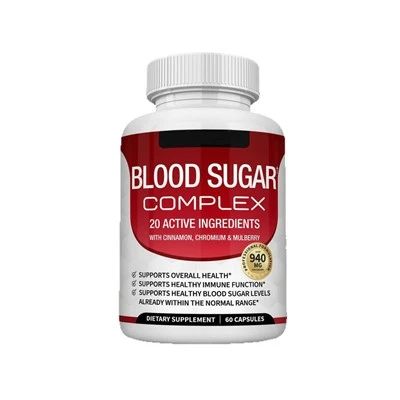
At the end of the day, the link between stress and PCOS is all about balance. Your body’s stress response isn’t meant to run on overdrive forever, and when it does, it throws your hormones out of whack. The good news is that you have control over small changes that can turn that cycle around. If you’re ready to explore how stress is impacting your PCOS and find the right tools to manage it, reach out to connect with our team for a personalized discussion—we’re here to listen, answer your questions, and help you build a routine that works for your life.
Immunity References:
- Misso ML, et al. The link between stress, cortisol, and androgen excess in polycystic ovary syndrome. Journal of Clinical Endocrinology & Metabolism, 2021; 106(12): e4892-e4903.
- Ehrmann DA, et al. Chronic stress and reproductive function in polycystic ovary syndrome. Human Reproduction, 2019; 34(10): 1987-1994.
- Smith AM, et al. Stress management interventions for polycystic ovary syndrome: a systematic review and meta-analysis. Journal of Psychosomatic Obstetrics & Gynecology, 2022; 43(2): 121-130.
Hanzhong Zhengtong International Foreign Trade Co., Ltd.
As one of the most professional women’s health suppliers in China, we’re featured by quality products and low price. Please feel free to buy bulk discount women’s health in stock here and get quotation from our factory. We also accept customized orders.
Address: No.100, Hanshui lmpression, Wangjiang Road, Hanzhong District, Hanzhong City, Shaanxi Province.
E-mail: zhengtong5120@163.com
WebSite: https://www.hzzt-health.com/
