If you work in electrical maintenance, industrial construction, or facility management, a high voltage tester isn’t just a tool—it’s your first line of defense against life-threatening voltage hazards. As a high voltage tester supplier, I’ve heard countless stories of techs rushing to diagnose a “broken” tester only to waste hours on trivial issues that had simple, obvious fixes. Last quarter alone, 40% of the service calls we fielded were for units customers had written off, not because of major internal failure, but because of basic user error or lack of routine maintenance. If you’re staring at a tester that won’t turn on, gives inconsistent readings, or fails its own self-test, this step-by-step troubleshooting guide will help you rule out common problems before you reach for a replacement. High Voltage Tester

Start With the simplest checks first—this cuts 80% of unnecessary service visits. Let’s begin with power and connections, the most common culprits. First, confirm the power source for your tester. Most low-voltage handheld testers run on standard AA or AAA batteries, while industrial high voltage testers may use built-in rechargeable lithium-ion packs or 12V alkaline batteries. Even brand-new batteries can be dead or damaged from sitting on a shelf: test them with a multimeter if you have one, or swap in fresh, name-brand batteries (avoid generic ones, as low-grade cells often deliver inconsistent voltage that throws off tester readings). For corded testers, inspect the power cord for fraying, cuts, or loose connections at the tester or wall outlet. Plug the cord into a different outlet to rule out a faulty socket—cheap wall outlets often lose ground, which can cause a tester to fail its ground check or give false low readings.
Next, check the probe and test leads. A loose or damaged probe is another top issue. Many techs yank probes out of their storage slots by the cord, which can loosen the internal pin connection where the probe meets the tester’s input port. Unplug the probe, inspect the metal tip for bent prongs (common if a probe drops onto concrete), and gently push it back into the port until you hear a click. For test leads, check for exposed wiring, insulation cracks, or loose terminals. Damaged leads can create a short circuit that makes the tester turn off mid-test or give erratic readings, even at low voltage. If your tester has a removable test lead assembly, try swapping in a spare lead (most suppliers offer compatible replacement leads for under $50) to rule out lead failure.
Once you’ve ruled out power and connection issues, move to the tester’s self-test function. All modern high voltage testers include a built-in self-test mode that verifies internal components, sensors, and battery status. To run it correctly, follow the manufacturer’s instructions exactly—self-tests often require specific conditions, like no probes connected, or the tester placed on a non-conductive surface. If the self-test fails, note the error code (printed on the tester’s display or in the user manual) and cross-reference it with common errors: a “sensor calibration failed” code usually means the tester was exposed to extreme temperatures, moisture, or voltage spikes, while a “battery low” error might be a faulty battery management system. If the self-test passes, your issue is likely with the test setup, not the tester itself.
If the self-test passes but the tester still won’t work as expected, move to environmental and test-specific checks. High voltage testers are sensitive to their surroundings: operating temperatures outside the rated range (usually -10°C to 50°C for most models) can cause temporary sensor drift or turn off the unit to protect internal components. If you’ve been working in extreme heat or cold, let the tester acclimate to room temperature for 30 minutes before testing. Moisture is another big culprit—even a small amount of water or condensation on the probe or sensor can create a short circuit, causing the tester to give false readings or shut down. If your tester was exposed to rain, sweat, or cleaning chemicals, turn it off immediately, remove the batteries, and leave it in a dry, well-ventilated area for 24 hours before trying again. Never use compressed air to dry internal parts, as this can push moisture deeper into the circuit board.
For testers that give inconsistent readings, not just complete failure, calibration and calibration drift are common issues. High voltage testers require regular calibration (usually every 12 months for industrial use, per OSHA and IEC standards) to ensure accuracy. If your tester’s readings are off by 5% or more, it’s likely due to expired calibration. Many techs try to calibrate their testers at home with a low-voltage source, but this won’t work for high voltage units—only a certified lab can perform high-accuracy calibration (our team offers on-site calibration for customers in North America, but if you’re in another region, look for labs accredited by the International Laboratory Accreditation Cooperation). Even if your tester is calibrated, rough handling (like dropping it from a ladder or stepping on it) can shift internal sensors and cause drift.
Another underdiagnosed issue is ground connection. High voltage testers rely on a solid ground reference to measure voltage correctly. If you’re testing a live circuit, make sure your tester’s ground lead is connected to a proper earth ground—not a metal conduit or a neutral wire that might be floating. For example, testing a 240V circuit without a ground connection can make the tester show readings that are 50% lower than actual voltage, which is a serious safety risk. Always use a dedicated ground rod or a test lead with a ground clip attached to a known ground point, and confirm the ground connection is tight before testing.
If you’ve gone through all these steps and your tester still isn’t working, it’s time to consider internal component issues, but don’t jump to replacing it yet. Common internal failures include a blown fuse (for corded testers), a damaged circuit board, or a faulty sensor. Most handheld testers have a replaceable fuse located near the power input; check the user manual for the fuse rating (usually 1A to 5A) and swap it for a new fuse of the same amperage. Never use a fuse with a higher rating, as this can damage the circuit board and create a fire or shock hazard. For rechargeable testers, a failing battery is often confused with a faulty unit: if the tester turns on when plugged into the charger but won’t hold a charge, the battery needs replacement, not a full tester. Our replacement batteries are compatible with most popular high voltage tester models and cost a fraction of a new unit.
Preventive maintenance is the best way to avoid troubleshooting headaches down the line. As a high voltage tester supplier, I recommend creating a quarterly maintenance checklist: inspect probes and leads for damage after every use, clean the tester’s exterior with a dry cloth (avoid alcohol or harsh chemicals, which can damage the display), store the tester in a protective case away from extreme temperatures, and run a self-test before every major job. For industrial teams, scheduling annual professional calibration will keep your tester accurate and compliant with OSHA safety rules, which require test equipment used in live electrical work to be calibrated regularly.
If you’re still dealing with a non-working high voltage tester after completing these steps, don’t hesitate to reach out. Our team specializes in repairing, calibrating, and supplying high voltage testers for all industrial and commercial applications, and we can help diagnose even the most elusive issues. We offer fast turnaround on repairs and can provide spares to minimize downtime for your team.
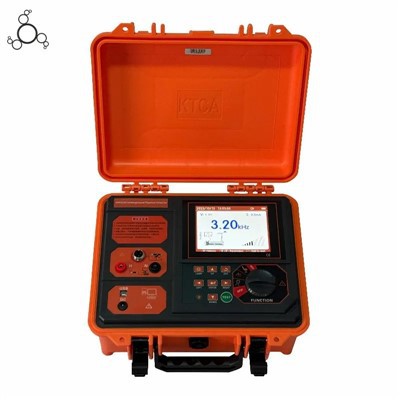
Don’t let a faulty tester put your team at risk or delay your projects—connect with our team today to discuss your testing needs, whether you’re looking to repair an old unit, replace a broken one, or invest in new high voltage testing equipment tailored to your work site.
AC DC High Voltage Divider References
- Occupational Safety and Health Administration (OSHA), 29 CFR 1910.137: Electrical Protective Equipment, U.S. Department of Labor, 2023.
- International Electrotechnical Commission (IEC), IEC 61010-1: Safety Requirements for Electrical Equipment for Measurement, Control, and Laboratory Use, 2019.
- High Voltage Testing Association (HVTA), Best Practices for High Voltage Tester Maintenance and Troubleshooting, 2022.
- National Fire Protection Association (NFPA), NFPA 70E: Standard for Electrical Safety in the Workplace, 2021.
Wuhan Jiuhua Jingce Power Equipment Co., Ltd.
As one of the most experienced high voltage tester manufacturers in China, we offer a wide range of products with superior quality. Please feel free to wholesale bulk durable high voltage tester from our factory. For price consultation, contact us.
Address: 601,Unit 1,Building D4-02,Optics Valley Center,303 OpticsValley Avenue,Wuhan
E-mail: market@wuhanjhjc.com
WebSite: https://www.powertransformertester.com/
