Hey everyone, if you’ve ever stood in front of a Blackstone griddle waiting for the perfect pancake—golden edges, fluffy inside, not burnt on one side and raw in the middle—you know the #1 question that pops up: what temp do I actually cook these bad boys on? I’m a griddle supplier, so I’ve talked to hundreds of folks who struggle with this, from newbie homeowners rocking their first 22” Blackstone to food truck owners cranking out 50 pancakes an hour before the morning rush. Today I’m breaking this down like I would with a buddy at the shop, no fancy jargon, just real griddle hacks that work. Griddle
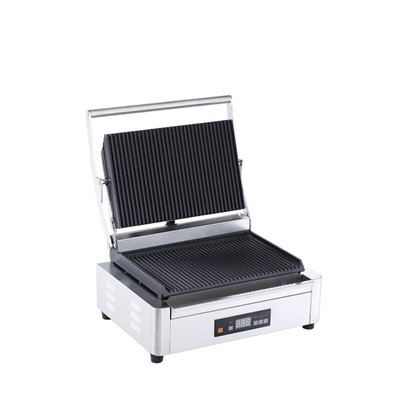
First off, let’s get one thing straight: Blackstone griddles run different than a stovetop pan. A lot of people grab their trusty digital meat thermometer (hey, no shame—we sell the ones that clip right to the griddle edge for this exact reason) and crank it to 400°F thinking that’s the sweet spot. Nah, that’s where most folks go wrong. Here’s the tea: pancake batter is full of sugars, and sugar burns super fast. If your griddle’s too hot, you’ll get that black, bitter crust on the outside while the inside is still gooey. Too low, and your pancake spreads out thin, takes forever to cook, and ends up dense like a hockey puck.
So what’s the actual number? For most regular pancakes—like the buttermilk mix you grab at the grocery store, or the homemade stuff your grandma uses—you want your Blackstone griddle sitting at 375°F. Wait, let me test that with a real example: last week a guy came into the shop panicking saying he’d burned three batches of pancakes for his kid’s birthday. He was running his 36” Blackstone at 425°F, which was way too high for thin, regular batter. We dialed it back to 375, and his next batch looked like they came from a diner menu—fluffy, even color, no burnt bits.
But hold on, that’s not one-size-fits-all. Let’s talk variables, because griddle temp isn’t just a random number. The type of batter changes everything. If you’re making thick, hearty pancakes—like those loaded with chocolate chips, blueberries, or even oatmeal mixed in—you can bump the temp up to 385°F. The extra add-ins insulate the batter a little, so you need a touch more heat to cook through without the outside getting charred. For the super thin, crepe-like pancakes some folks love (yes, I see you), drop it to 350°F. Those cook in 60 seconds flat, and too much heat would turn them crisp instead of delicate.
Then there’s the size of your Blackstone griddle, and how much you’re cooking at once. I work with a lot of home users who have the 28” or 36” models, and they often run into hot spots. Blackstone griddles (like most flat-tops) have a few hotter zones near the burners, and cooler spots in between. If you’re filling the whole griddle with pancakes, test each zone’s temp before you pour. Grab that digital thermometer, hold it ¼” above the surface (not touching it, that’s the most accurate way to read surface temp) and check every 6 inches. For the zones that hit 380-390°F, save those for the thick, add-in pancakes. The cooler 360-370°F zones are perfect for regular batter. Pro tip from the shop: if you’re cooking a big batch, leave a little space between pancakes so heat can circulate. Don’t crowd ’em like sardines.
Another common mistake people make: preheating the griddle and not letting it stabilize. A lot of folks turn the burners on max, wait 5 minutes, and start pouring batter. That’s a recipe for disaster—your griddle’s surface is fluctuating like crazy, not holding a steady temp. How long should you wait? 10-15 minutes after you set your desired temp, and then let it sit for another 2 minutes if you’re cooking a big batch. The metal needs time to heat evenly all the way through, not just the top layer. I tell all our customers this when they pick up a Blackstone from us, and it’s the easiest fix for inconsistent pancakes.
Wait, let’s talk about the “test pour” trick, because numbers don’t lie, but a little hands-on test never hurts. Once your griddle’s at 375°F, grab a small scoop of batter (like ¼ cup) and pour it on the surface. What does it do? It should sizzle right away, but not violently. It should spread into a nice circle, and after 1-2 minutes, you’ll see little bubbles popping on the top of the pancake. If the bubbles are big and bursting fast, that means the temp’s right. If they tiny and slow, crank it up 5 degrees. If it’s smoking before the bubbles pop, turn it down 10 degrees. That test pour takes 2 minutes, and it saves you a whole batch of ruined pancakes.
Now, what about if you’re using a different kind of batter? Gluten-free pancakes are different—they’re often denser and have more binding agents, so they need a little lower temp, 365°F to 370°F. I learned that when a local gluten-free bakery started buying our griddles for their weekend pop-ups. They said their old stovetop pans burned the outside of their rice flour pancakes before the inside cooked, but at 368°F on a Blackstone, they get that soft texture without the burn. And vegan pancakes? Same rule, since their batter often has less sugar than traditional ones, so a tiny bit higher, 375°F works great.
Let’s also address hot spots, because Blackstone griddles are famous for ’em, especially the older models. If you’ve had yours for a year or two, check the burner grates—sometimes they get clogged with grease, which makes some burners burn hotter than others. A quick clean with a wire brush (we sell heavy-duty ones at the shop) will fix uneven heat, but if you still have hot spots, mark ’em with a piece of tape so you know which zones to avoid for delicate stuff. I’ve seen people use this trick for years, no need to buy a new griddle just for uneven heat.
Wait, what about when you’re making pancakes for a crowd? Like, a family of 6, or a tailgate where you need 20 pancakes at once. Last month, a high school football team’s booster club bought two 36” Blackstones from us for their pre-game breakfasts. They told me they run their griddles at 380°F for big batches, because they’re only flipping each pancake once, and the extra heat cuts down on cook time. They also use the edge of the griddle as a “warm zone” after pancakes are done—just turn that part’s burners down to low, so the pancakes stay warm while you cook the next batch. That’s a game changer for feeding a crowd, and it’s all about adjusting your temp based on how much you’re cooking.
I get it, a lot of people think “temp is temp” and grab the first number they see on their oven dial, but griddles are their own beast. Let’s recap what we’ve covered, super simple:
- Regular buttermilk/homemade pancakes: 375°F
- Thick, add-in (choc chip, blueberry): 385°F
- Thin crepe-style: 350°F
- Gluten-free: 365-370°F
- Big batches for crowds: 380°F, plus warm zone at low
And always, always do the test pour. That’s non-negotiable. Every griddle is a little different, even if it’s the same model as your neighbor’s. Metal thickness, how often you clean it, even the weather (cold days will make your griddle lose heat faster) can all shift the temp you need.
Now, if you’re new to Blackstone griddles and don’t have a thermometer that works, or you need a refresher on griddle maintenance to keep your temps steady, hit up our team to chat. We don’t just sell griddles—we’ve been testing and using them for years, so we can hook you up with tips that work for your specific setup, whether you’re cooking for your family or a whole event. If you’re looking to upgrade your current griddle or pick up your first one, we’re here to walk through all the details, no pressure, just real advice from people who know flat-tops.
Wait, let me add a quick note about cleaning after you’re done, because that affects next time’s temp. If you leave caked-on pancake batter or grease on the griddle, it’ll create uneven layers that throw off heat. Wipe it down with a scraper right after you’re done cooking, while it’s still warm (not scorching hot—give it 5 minutes to cool a little) and use a little bit of water to wipe it clean. That’s how you keep your griddle’s temp consistent every time you cook pancakes, eggs, burgers, whatever.

I’ve had customers tell me they went from burning every pancake to making diner-worthy ones after following these temp tips, and that’s why I love talking griddles. It’s not rocket science, it’s just knowing your gear. If you have more questions about griddle temps, or you’re looking to stock up on equipment for your business or backyard, don’t hesitate to reach out to our team for a chat. We’re always here to help you get the most out of your Blackstone, one perfect pancake at a time.
Commercial Cooking Equipment References
- Blackstone Griddle Official Performance Guide (2022)
- Culinary Institute of America. Professional Griddle Cooking Techniques (2021)
- National Pancake Association. Home Pancake Cooking Best Practices (2023)
- Griddle Maintenance & Performance Report, Outdoor Cooking Retailers Association (2022)
Foshan Frespro Industries Co., Ltd.
Foshan Frespro Industries Co., Ltd. is one of the most experienced griddle manufacturers and suppliers in China, featured by quality products and good price. We warmly welcome you to buy advanced griddle for sale here and get quotation from our factory. Customized orders are welcome.
Address: Block 1, No. 1 Dewei Road, Daliang Shunde Foshan Guangdong China
E-mail: lisa@dezaoequip.cn
WebSite: https://www.fresproeq.com/
