If you’ve ever stood in a busy café, restaurant, or even a food truck, watching the line move slow and thinking, “There’s gotta be a better way to get cream onto that latte or that sundae fast,” you’ve probably wondered about cream dispensers. And one question that comes up again and again—from baristas, small business owners, and even casual home cooks looking to upgrade their kitchen gear—is: Do cream dispensers have adjustable flow rates? Cream Dispensers
As a cream dispenser supplier who’s been deep in this space for years, I get asked this all the time. It’s not a trivial question, either. A flow rate that’s too high means you’re wasting cream (and let’s be real, cream isn’t cheap), messy counters, and potential customer complaints. Too low, and baristas are stuck squeezing the dispenser for 10 extra seconds per order, slowing down your whole team. So let’s break this down, no jargon, no fancy sales pitches—just the real deal from someone who’s worked with these things day in and day out.
First, let’s start with what a basic cream dispenser is, because not all of them are created equal. A lot of people confuse cream dispensers with the little plastic squeeze bottles you get at the grocery store, right? Those are usually basic, no frills, made for home use. But the commercial ones—those are a different story. Now, back to the flow rate: The short answer is, most commercial-grade cream dispensers do have adjustable flow rates, but not all. And even among the ones that do, the adjustments work differently depending on the type of dispenser, what it’s made for, and how it’s designed.
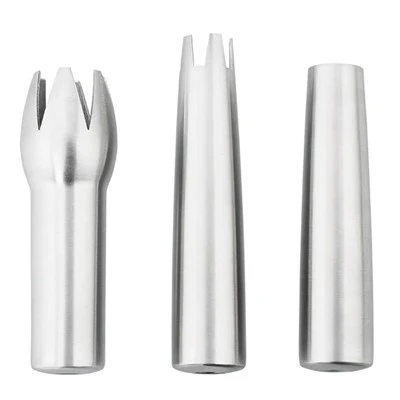
Let’s get into the how and why. Take the most common commercial cream dispenser: the whipped cream dispenser, the kind that uses nitrous oxide (N2O) cartridges to pressurize the cream. Wait, some people don’t realize that’s what makes those work—so when you press the nozzle, the pressurized cream shoots out. On a lot of these, the flow adjustment is right there on the nozzle. It’s usually a little dial, sometimes a tiny screw, that lets you turn it from a “closed” position to a “wide open” position. Why does that matter? If you turn it all the way, you get a thick, steady stream perfect for topping a hot chocolate or a big sundae. If you dial it down, you get a finer, lighter mist that’s great for lattes or desserts where you don’t want too much cream all at once. That’s a super common feature, but it’s not universal. Some super basic models—like the cheap ones you might pick up at a restaurant supply store on a whim—skip that adjustability to cut costs. So if you’re buying a commercial one, make sure you check the nozzle: if there’s a dial, you’ve got adjustable flow. If it’s just a hole with no moving parts, you’re stuck with one flow rate.
Then there’s another type of cream dispenser: the gravity-fed or pump-style dispensers, the ones that sit on a counter or a bar, hold a big batch of liquid cream (not whipped, usually, for things like coffee creamers, sweet cream for cocktails, or even dressings). These too often have adjustable flow, but in a different way. Instead of a nozzle dial, they might have a pump head that you can adjust—some let you turn the pump’s stem to control how much cream comes out with each press, or there’s a valve inside the spout that restricts the flow. I’ve seen some models where you can swap out different spouts, too: a wider spout for faster flow when you’re topping multiple desserts at once, a narrower one for precision when you’re making artisanal drinks. That’s another big point: adjustable flow doesn’t just mean controlling how much comes out per squeeze or per press—it can also mean matching the dispenser to your specific use case. A café that does 50 lattes an hour needs a different flow rate than a bakery that’s making sundaes for 200 people a day.
But wait, let’s talk about the limits here. No adjustable flow is perfect, and it’s not a magic fix for every problem. For example, if you’re using a dispenser for very thick cream—like heavy whipping cream that’s almost at the point of being whipped—the flow rate adjustment might not work as well. Thick stuff is harder to push through the nozzle, so even if you dial it down, you might get a gusher. Conversely, very thin cream, like a light coffee creamer, might be too runny, so even on the lowest setting, it comes out too fast for small, precise pours. That’s why when people come to me asking for a cream dispenser, I always ask them what they’re using it for, how often, and how many orders they’re doing a day. A flow rate that works for a small bakery might not work for a busy downtown coffee shop.
Another thing that people don’t always think about: how the flow rate affects waste, which is a huge deal for small businesses. I once had a customer, a barista who ran a little shop in Brooklyn, tell me they were going through two gallons of cream a week just because their old dispenser had a fixed flow rate that was too high. They’d mess up a few orders a day—spilling cream on the counter, or putting too much in a drink—and that added up fast. After they switched to a dispenser with an adjustable flow, they cut their cream use by almost 30%. That’s not a small number, especially when you’re dealing with tight profit margins in the food industry. Waste is something every business owner hates, so being able to adjust your flow to match exactly what you need is a game-changer.
Now, let’s clear up a common myth. Some people think that adjustable flow cream dispensers are super complicated, hard to clean, or break easily. I get it—when you see a dial or a small valve, you might worry about gunk building up inside, especially with cream which can go bad if it’s not cleaned right. But most of the good ones are designed to be taken apart easily, so you can clean the nozzle, the dial, and the spout without any special tools. I’ve had customers use our dispensers for years, even with daily heavy use, and the adjustable parts still work as long as they clean them regularly. The key here is to get a dispenser that’s made for commercial use, not a cheap home model. Home models are usually built for light use, so their adjustable parts are flimsy and break after a few months. Commercial ones are made to handle 100+ uses a day, so those dials and valves are sturdy.
Wait, also—what about portable cream dispensers? A lot of food trucks, catering companies, and pop-up shops use those, right? You might think something small and portable wouldn’t have adjustable flow, but a lot of them do. They’re usually the whipped cream style, with a small nozzle dial, so you can adjust how much cream comes out even when you’re setting up at a different location every day. That’s a big win for people who need flexibility—if you’re at a farmers’ market, for example, and you’re making both lattes and sundaes, you can adjust on the fly instead of carrying two different dispensers.
So let’s wrap this up. The short answer is: Yes, most cream dispensers (especially commercial-grade ones) do have adjustable flow rates, but it’s not a given. If you’re buying one, you’ve got to check for that feature—look for a dial on the nozzle, an adjustable pump head, or the option to swap spouts. If you’re a small business owner, adjustable flow isn’t just a nice extra—it’s a way to cut down on waste, speed up your service, and make your life easier. But it’s important to remember that adjustable flow only works well if you pick the right dispenser for your needs. If you’re using thin coffee creamer, don’t get a dispenser designed for thick whipped cream, no matter how adjustable it is.
If you’re in the market for a cream dispenser, or you’re not sure which one would work best for your café, bakery, food truck, or whatever, don’t guess. Reach out—we’re here to help you figure out exactly what you need, no sales pressure, no fancy jargon. We’ve worked with all kinds of businesses, from tiny coffee shops to large chain restaurants, and we know how to match you with the right dispenser with the right adjustable flow to fit your specific use. It’s all about making your job easier, right?
Don’t let a fixed flow rate slow you down or waste your cream. Get in touch with us today to talk through your needs, and we’ll help you find the perfect cream dispenser.
Cream Charger Accessories References:
- Food Service Equipment & Supplies Association. (2022). Commercial Cream Dispenser Best Practices.
- National Restaurant Association. (2023). Reducing Food Waste in Restaurant Operations.
- International Society of Beverage Technologists. (2021. Pressurized Dispensing for Dairy Products.
Smoothwhip Industrial Co., Ltd.
As one of the most professional cream dispensers suppliers in China, we have world-leading production equipment and strong manufacturing capabilities. We warmly welcome you to wholesale high quality cream dispensers made in China here from our factory. We also accept customized orders.
Address: Room 1306, Building 4, U-Tiandi, No. 178 Puhui Road, Jiuting Town, Songjiang District, Shanghai
E-mail: info@safety-plus.cn
WebSite: https://www.smwhip.com/
