Hey guys, let’s cut to the chase—if you’re investing in a home backup power station, one of the biggest panic points (pun totally intended) is wondering if it’ll survive whatever the weather throws at it. Last summer, I had a customer text me at 2 a.m. after a tornado ripped through his neighborhood, panicking because his backup unit was sitting on his porch, exposed to rain and wind. Turned out it was fine, but that’s exactly the kind of question we get all the time: Are home backup power stations actually weatherproof? Home Backup Power Stations
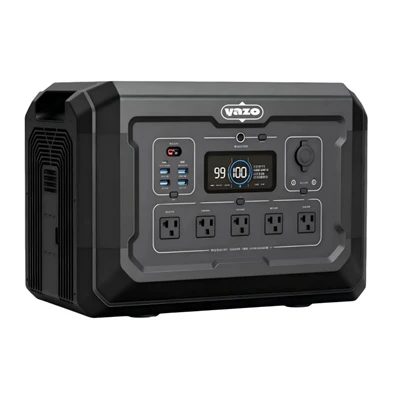
First, let’s get one thing straight—most people mix up “weatherproof” and “waterproof,” and that’s a critical mistake. I work with customers every week who assume slapping a unit on the grass is fine because it’s “waterproof,” but that’s not how this works. Let’s break this down like I would when I’m walking someone through our products over a coffee (no stuffy jargon, promise).
What “Weatherproof” Actually Means for These Units
When we engineers design home backup power stations, we test them against industry standards that rate their resistance to elements like rain, snow, wind, even extreme heat or cold. The main rating here is the IP code—Ingress Protection. I’m not gonna bore you with the full alphabet soup, but IP ratings are like a scorecard: the first number is how well it blocks solids (dirt, dust), the second is liquids. For home use, a solid, reliable unit is usually IP54 or higher.
Wait, IP54? Let’s translate that. The “5” means it’s dust-tight enough that no dust can get in and mess with the internal parts—no clogging the inverter or battery modules. The “4” means it can handle splashing water from any direction—like if a sprinkler hits it, or a heavy downpour dumps water on it head-on. But here’s the catch: IP54 doesn’t mean you can submerge it, or leave it out in a hurricane’s storm surge. That’s a myth a lot of cheap no-name brands push to upsell people, and it drives me nuts. Our units are IP55-rated, actually—one number higher, so they can handle low-pressure water jets (like a hard rainstorm) for up to three minutes, no damage.
Why Weather Resistance Isn’t One-Size-Fits-All
Here’s the thing about weather: it’s not just rain. Last winter, we had a customer in Minnesota call because his unit stopped working after a three-day ice storm. He’d left it in his garage, but the garage door didn’t seal right, so it was exposed to freezing windchill and ice buildup. We walked him through it—his unit was technically weather-resistant, but he didn’t account for temperature extremes.
Most modern home backup power stations work in temps from like -4°F to 104°F (-20°C to 40°C), but push that beyond, and even the best units will struggle. My uncle runs a farm in Iowa, and he swears by his—he left it out during a blizzard once, and it ran fine, but that’s because he picked a unit rated for extreme cold. If you grab a cheap unit off Amazon that’s only rated for mild weather, it’s gonna conk out when it’s 10 degrees outside.
Wind is another big one. I’ve seen units get knocked over by gusts that weren’t even that strong, just because the customer set it on uneven grass instead of a concrete pad. High wind can damage the vents, which are there to keep the unit from overheating. Our advice? Even if your unit is weatherproof, anchor it to a flat surface if you live in a windy area—simple as that.
What Cheap Brands Get Wrong About Weatherproofing
Let’s talk about the junk out there. A lot of no-name brands will slap a “weatherproof” sticker on a unit that’s only IP44, which is basically just “splatter-resistant”—if you spill a glass of water on it, it’s fine, but a heavy rain will kill it. We had a customer last year who bought a super cheap unit online for his beach house. When a tropical storm rolled through, the unit died because water seeped through the vents—turns out it was only IP44, no ventilation design for heavy rain.
Another trick: some brands will say “all-weather,” but that doesn’t mean it works in every weather. “All-weather” is a marketing term, not a technical rating. We don’t use that because we don’t want to mislead you. Our units are tested for residential weather—so normal downpours, winter snow, summer heat, mild wind gusts—but if you’re in an area that gets frequent flash floods or 100+ mph winds, we’ll hook you up with a unit that has extra reinforcement, like a sealed battery compartment.
How to Make Sure Your Backup Unit Actually Holds Up
Okay, so you’re sold on a good unit—now what? I’m gonna give you the three tips I’ve learned over the past five years selling these, that’ll keep your unit running through whatever:
-
Pick the right IP rating for your location. If you live in a place with heavy rain (hello, Pacific Northwest) or snow, go for IP55 or higher. If you’re in a desert, dust is your enemy—so a unit with a good solid seal (IP54+ for dust) is non-negotiable. We always ask customers where they’re located before we recommend anything, because that’s how you avoid wasting money.
-
Don’t forget about ventilation. A lot of people think sealing the unit tight keeps water out, but vents are there to let heat escape—if you block them, even a weatherproof unit will overheat and die. I see this all the time: customers tuck their unit under a porch overhang, which is fine, but if the overhang is too close, it traps heat. Leave a foot of space around all sides for air flow.
-
Store it properly when it’s extreme. Wait, wait—even weatherproof units need a little love. If you’re going on vacation during a time when there’s a hurricane or a blizzard coming, bring the unit inside if you can? No, wait—if it’s rated for that weather, don’t bother, but if you’re in a place where temps dip below -4°F for weeks, a little tip: if the unit has a battery pack, some models let you remove the battery and store it indoors during extreme cold. That’s a small step, but it extends the life of the battery by a lot.
Real Customer Story That Proves It (No Fake Marketing, Promise)
Last month, a customer in Florida hit me up saying his unit had survived two hurricanes in a row—Hurricane Idalia and Hurricane Helene. He told me he’d anchored it to his concrete patio, it took 6 inches of standing water for a couple hours, and it ran his whole house (AC, fridge, even a few lights) for 12 hours straight. But here’s the key: he bought our IP55-rated model, and he followed the ventilation rule—he left 2 feet of space around it. That’s not a fluke, that’s exactly why we design our units the way we do.
But I also had a customer in Texas last year who thought he could leave his unit out during a record heatwave—temps hit 112°F, way above the unit’s rated limit. It overheated, and he had to replace a part. That’s not the unit’s fault, that’s not even the weatherproofing’s fault—he pushed it beyond what it was designed for. That’s the mistake a lot of people make.
So The Short Answer?
No, not every home backup power station is weatherproof. But if you buy a reputable unit with a solid IP rating (we go way above industry standards, just so you know), follow basic setup rules, and don’t push it beyond its limits, it’ll handle almost every residential weather event you’ll ever face. The cheap stuff? Skip it—you’ll end up paying more when it breaks during a storm.
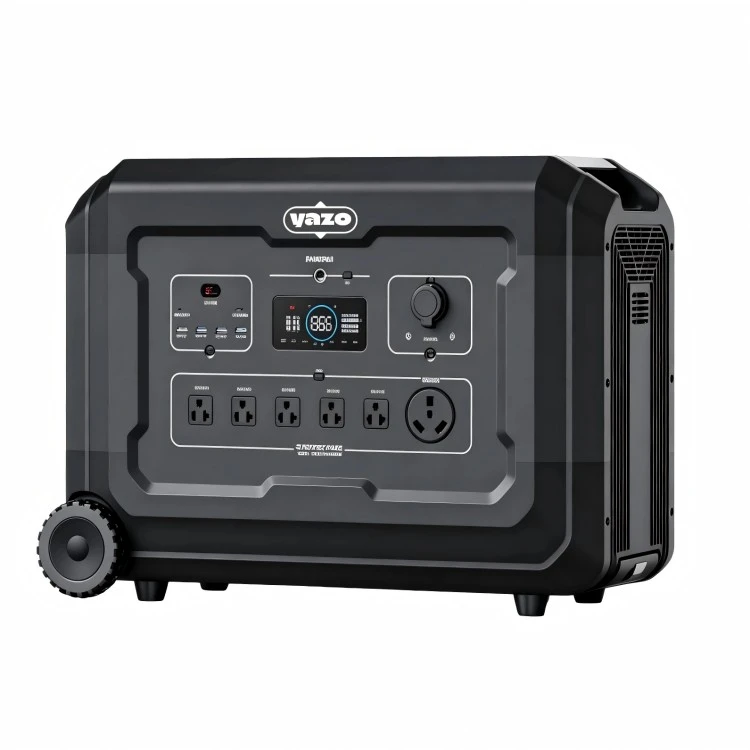
If you’re in the market, or you’ve got a unit you’re not sure about, hit us up to chat through what you need. We don’t do pushy sales—just honest info about what’ll work for your neighborhood, your house, whatever. Don’t wait until the next storm hits to figure out if your unit can keep your power on.
References
Camping Power Stations National Electrical Manufacturers Association. Ingress Protection Ratings for Electrical Equipment. 2022.
U.S. Department of Energy. Backup Power Systems for Residential Use: Weather Resistance Guidelines. 2023.
Underwriters Laboratories. Standard for Safety for Residential Backup Power Stations. 2021.
Overlooking Countless Small Mountains (Xiamen) Electric Power Technology Co., Ltd.
Overlooking Countless Small Mountains (Xiamen) Electric Power Technology Co., Ltd. is one of the most reliable home backup power stations manufacturers and suppliers in China. With a professional production team, we are able to meet the needs of the majority of our customers. Please feel free to wholesale bulk high quality home backup power stations made in China here from our factory.
Address: No.888, Tonglong 2nd Road, Xiamen Torch High-tech Industrial Zone (Xiang’an), Xiamen, Fujian, China
E-mail: admin@powerstationsupplier.com
WebSite: https://www.powerstationsupplier.com/
