If you’ve ever walked past a recycling warehouse, you’ve probably seen a big, loud machine compressing cardboard or plastic into tight, cube-shaped bales. That’s a waste baler, and if you’re looking to invest in one, one of the first questions you’ll ask is, “How much weight can this thing actually bale?” As a waste baler supplier who’s been around the industry for years, I get that question all the time—hell, I used to ask the same thing back when I was helping a local grocery chain cut down on disposal costs. It’s not a one-size-fits-all answer, though, so let’s break this down like we’re chatting over a coffee, not writing a textbook. Waste Baler
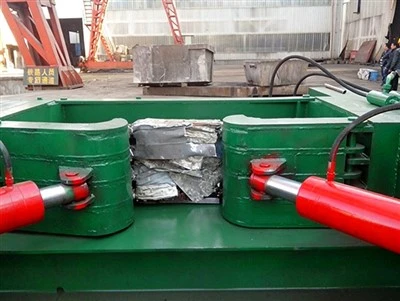
First, let’s clear up a common mix-up: “maximum bale weight” isn’t the same as the baler’s machine weight or its power rating. Those are related, but not identical. The number you care about here is the total mass of the finished compressed bale, right? That varies depending on three big factors: what you’re baling, the baler type, and how you operate it. I’ve seen small bales that weigh 50 pounds and big ones that top 1,500 pounds—wild, right? Let’s start with the material because that’s the biggest variable, no cap.
Different waste materials have different densities, and density is everything here. Think of it like stuffing a suitcase: a pound of socks takes up way more space than a pound of jeans, even though the weight is the same. Same with waste. Cardboard, for example, is lightweight and fluffy when it’s loose. A loose cubic yard of cardboard might weigh only 10 to 15 pounds, but when you compress it tight in a baler, that same space can hold 500 to 700 pounds of bale. Plastic bottles? They’re even less dense—loose, a cubic yard is like 5 to 10 pounds, but a compressed bale of PET plastic can hit 800 to 1,000 pounds. Now, if you’re baling metal, like aluminum cans or scrap steel, that’s a whole different game. Loose aluminum is heavier than plastic, but compressed bales can get up to 1,200 to 1,500 pounds for steel, and even more if it’s thick scrap. Fabric or paper waste? Those are softer, so bales usually land between 300 to 600 pounds, depending on how tight you pack them.
Next up, the baler type. Not all balers are built the same, so their max weight caps vary too. Let’s keep it simple: there are horizontal balers, vertical balers, and specialty balers for specific materials. Vertical balers are the small guys—you see these in small retail stores, offices, or small recycling centers. They’re cheaper, compact, and their max bale weight tops out around 500 pounds for cardboard. I’ve had a customer with a convenience store swear by their vertical baler that crushes 180-pound cardboard bales, which is perfect for their low-volume waste. Then horizontal balers are the workhorses—these are the ones in big warehouses, manufacturing plants, or municipal recycling facilities. They have more hydraulic power, bigger chambers, so their max bale weight jumps way up. A standard horizontal baler can do 800 to 1,200 pounds for cardboard, and heavy-duty horizontal models can push 1,500 to 1,800 pounds for metal. Oh, and there’s auto-tie vs manual-tie balers too—auto-tie ones can handle bigger bales because they can tie the wire or strap faster, no stopping mid-compression. Manual-tie might cap out a little lower, around 1,000 pounds, because you have to pause to tie the bale.
Then there’s how you operate the baler. I’ve seen two identical horizontal balers at two different warehouses: one cranks out 1,100-pound bales of cardboard, the other only 600. Why? Because the second guy isn’t feeding the baler correctly, or he’s not letting the compactor cycle all the way. If you stuff the chamber too full too fast, the machine can’t compress the material tight, so the bale is lighter. If you only compress it halfway, same thing. Also, moisture matters a little—wet cardboard is a tiny bit heavier, but if it’s too wet, it can stick to the chamber and throw off the compression. Another thing: the size of the bale. Wait, right—bale size is a factor I almost forgot. A 3x3x4 foot bale is bigger than a 2x2x3 foot bale, so it’s gonna weigh more, all else equal. Most horizontal balers let you adjust the bale size, so if you want heavier bales, you can go with a longer chamber.
Now, let’s talk about what actually determines the hard maximum for a baler. It’s not just the material and size—it’s the hydraulic force the machine has. Hydraulic pressure is measured in tons, right? A baler with 30 tons of pressure can compress soft materials to a certain density, a 60-ton baler can do way more. For example, a 60-ton horizontal baler can get a cardboard bale to 500 pounds per cubic yard, which is the sweet spot for transportation (trucks can carry more if bales are dense, cheaper to ship). A 100-ton baler can push that to 650 pounds per cubic yard, so bales get heavier. But there’s a limit—you can only squeeze a material so tight before it doesn’t get any denser. Cardboard, for instance, maxes out around 700 pounds per cubic yard no matter how much pressure you apply, because the fibers start to break down. So if you’re trying to get a heavier bale, you have to make it bigger, not just denser.
Wait, let’s throw in some real examples from my own customers, since that’s way more useful than numbers on a spec sheet. Last year, a big e-commerce company reached out to me because their old baler was only making 400-pound cardboard bales, and they were paying extra in landfill fees because they had to pick up waste twice a week. We sold them a heavy-duty horizontal baler with 80 tons of pressure, and now their bales are 1,100 pounds each. That cut their pickups from twice a week to once every two weeks, saved them like $12,000 a year. Another customer: a scrap metal yard. They had a vertical baler that could only do 300-pound aluminum bales, so they were handling 10x as many bales as they needed to. We swapped them for a horizontal baler that makes 1,400-pound steel bales, and they tripled their daily output.
But here’s the thing—people often ask for the “maximum” like it’s a fixed number, but that’s misleading. The maximum useful bale weight is different from the maximum the machine can technically do. Just because a baler can make a 1,800-pound bale of steel doesn’t mean you should. You have to think about logistics. Can your warehouse staff lift that bale? Most people can’t lift more than 50 pounds, so bales over that need a forklift or pallet jack. If you’re shipping bales, trucks have a weight limit (usually around 40,000 to 45,000 pounds for a full load), so super heavy bales might mean you can only carry 25 to 30 bales instead of 40, which kills the cost savings. I always tell customers to balance bale weight with their own workflow and shipping needs. A small retail store doesn’t need a 1,500-pound metal bale—they need a 200-pound cardboard bale they can move with a hand cart. A big manufacturing plant needs the heaviest bales possible to cut down on transport costs.
Also, don’t forget about maintenance. A baler that’s not kept up will lose pressure over time, so your bale weights will drop. I had a customer who skipped annual maintenance for two years, and their bales went from 800 pounds to 450 pounds. Turns out the hydraulic seals were worn, so the machine wasn’t compressing as tight. So if you want consistent maximum weight, you have to take care of the machine. Grease the moving parts, check the hydraulic fluid, replace seals when they wear. That’s non-negotiable.
Wait, let’s address a common myth I hear all the time: “I can just bale more material to make a heavier bale.” No, not if you cram too much in. If you stuff a baler chamber beyond its designed capacity, the machine will either shut off to prevent damage, or the bale will be loose and fall apart when you tie it. I’ve seen customers try that, and they end up with a mess of cardboard on the warehouse floor, which is a hassle to clean up and a waste of time. It’s better to load the baler in layers, letting each layer compress fully before adding the next. That’s how you get a tight, heavy bale without breaking the machine.
Now, if you’re in the market for a waste baler, here’s my pro tip: don’t just shop for the “heaviest max bale weight.” Think about what you’re baling, how much you generate, and how you’ll move and ship the bales. If you’re a small office with 50 pounds of cardboard a week, a vertical baler with a 200-pound max bale is perfect. If you’re a 24/7 manufacturing plant with 10,000 pounds of metal waste a day, you need a heavy-duty horizontal baler with a 1,500-pound max. Don’t overbuy—you’ll waste money on a machine you don’t need. Don’t underbuy—you’ll end up with inefficient bales that cost you more in the long run.
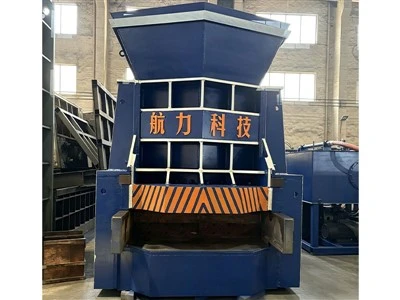
And before I sign off, let’s make this practical. If you’re tired of your baler not pulling its weight (pun totally intended), or you’re ready to upgrade to save on disposal and shipping costs, reach out. I don’t do hard sells—just give me a sense of your waste volume, what materials you’re handling, and your workflow, and I’ll help you find the right baler for your needs. No jargon, no hidden fees, just straight talk from someone who’s been in the game for years.
Waste Cloth Baler References:
- Environmental Protection Agency. (2022). "Recycling and Composting Equipment Guide." U.S. EPA Office of Solid Waste and Emergency Response.
- Institute of Scrap Recycling Industries. (2021). "Baling Best Practices for Non-Ferrous Metals." ISRI Industry Technical Report.
- Machinery Lubrication Magazine. (2020). "Hydraulic System Maintenance for Waste Balers." Noria Corporation.
- Recycling Today. (2022). "Baler Capacity and Bale Density: What Every Processor Needs to Know." GWI Publications.
- Occupational Safety and Health Administration. (2021). "Material Handling Guidelines for Compressed Bale Storage." OSHA Industry Safety Bulletin.
Jiangyin Hangli Technology Co., Ltd.
Jiangyin Hangli Technology Co., Ltd. is one of the most professional waste baler manufacturers and suppliers in China. We are committed to providing high quality custom service and OEM service with low price. We warmly welcome you to buy high-performance waste baler for sale here from our factory. Also, pricelist is available.
Address: No. 11, Louxia Road, Zhouxi Village, Zhouzhuang Town, Jiangyin City, Wuxi City, Jiangsu Province, China
E-mail: sherry@hanglimachinery.com
WebSite: https://www.hanglirecycling.com/
